İçeriğe Atlayın Skip to Content

Oncology Blog

This blog answers the questions patients ask most often in the consulting room, each with its source. It covers how long chemotherapy runs, how to read a genomic test report and what a guideline change actually alters. Articles are written and reviewed before publication by Prof. Dr. H. Ibrahim Petekkaya, medical oncologist in Izmir, Türkiye.
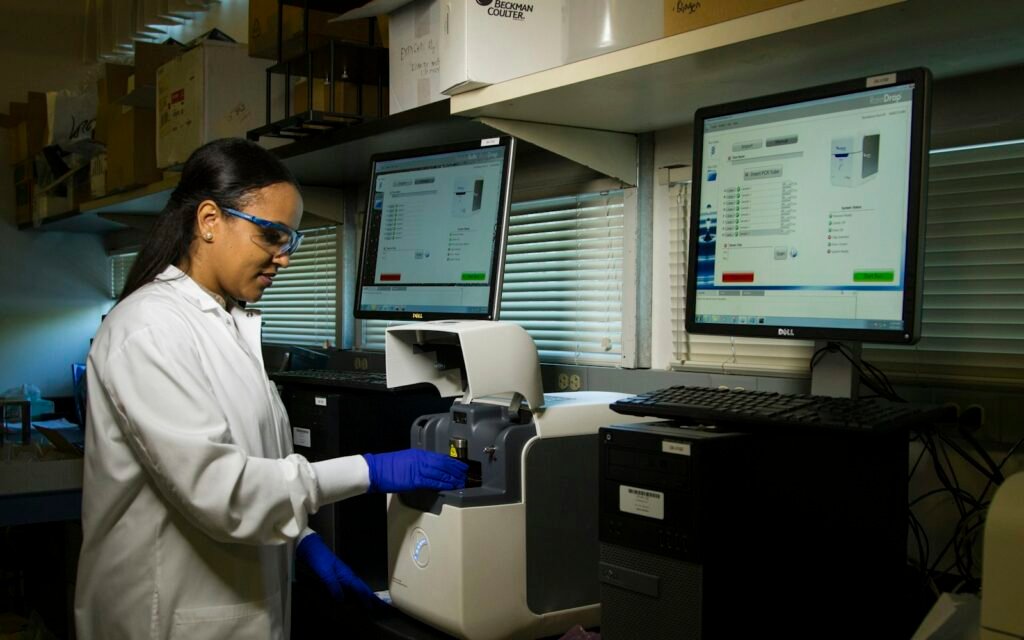
Oncology Writing Under Five Headings

The articles are grouped under five headings. Each one takes a single question, answers it in the opening paragraph and links to the site page that carries the lasting explanation. Every article is published with its sources.

Diagnosis and Treatment 11 articles

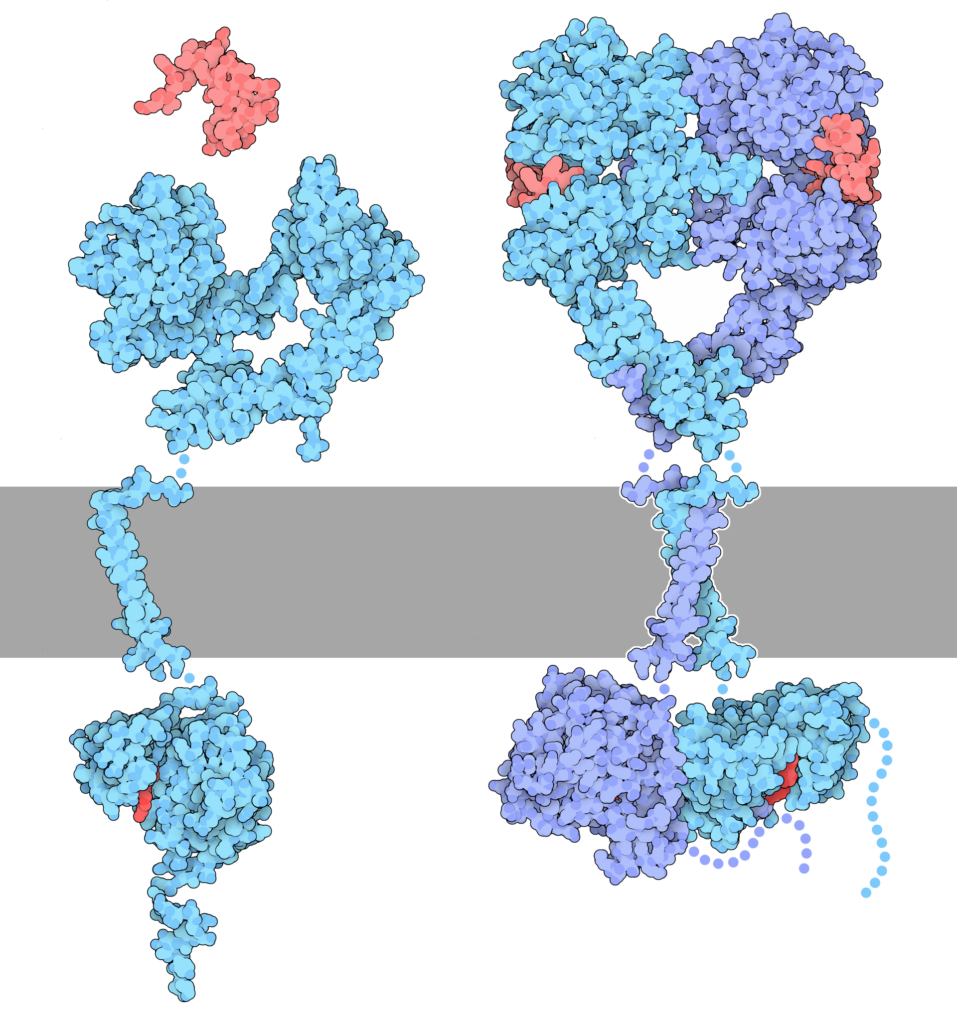
EGFR receptor diagram used to explain targeted therapy resistanceDiagnosis and Treatment

Targeted Therapy Resistance: Why It Happens and What Comes Next

Targeted therapy resistance develops when a tumour finds a new escape route. How the mechanism is identified and what decides the next line of treatment.
Read the Article
Blood sample being sequenced for ctDNA testingDiagnosis and Treatment

ctDNA Testing After Surgery: What Minimal Residual Disease Means

ctDNA testing looks for tumour DNA in blood after surgery. What minimal residual disease means and how the result shapes the chemotherapy decision.

Read the Article
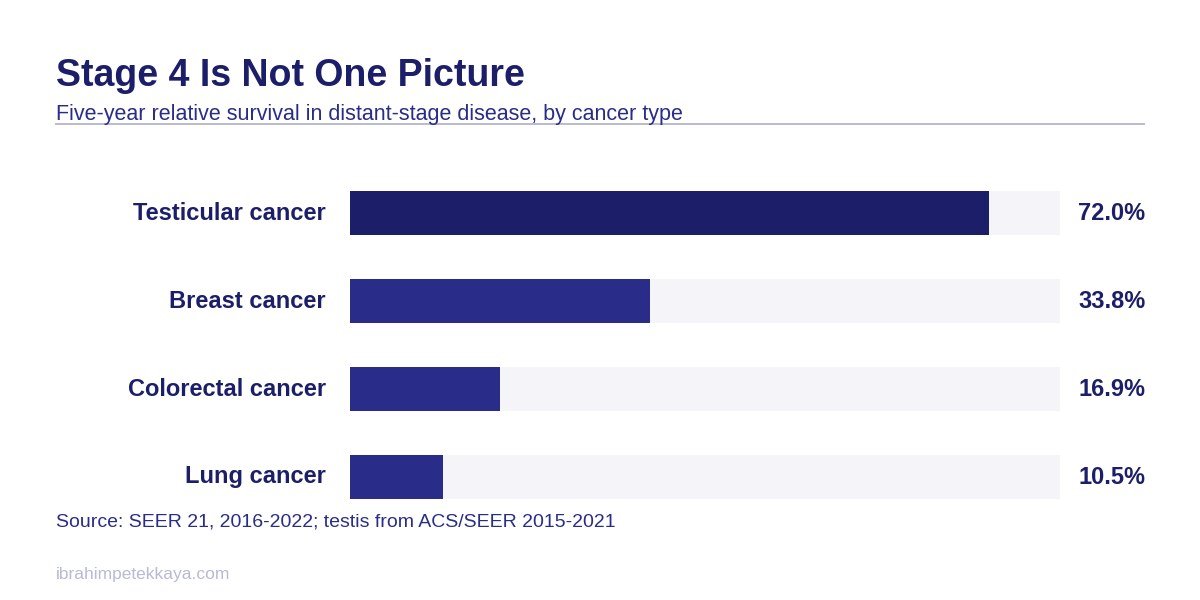
Chart showing what stage 4 cancer means in survival terms across cancer typesDiagnosis and Treatment

What Stage 4 Cancer Means, and What It Does Not

What stage 4 cancer means, how metastatic disease is defined and what the label does not tell you: staging logic, differences by type and treatment options.

Read the Article
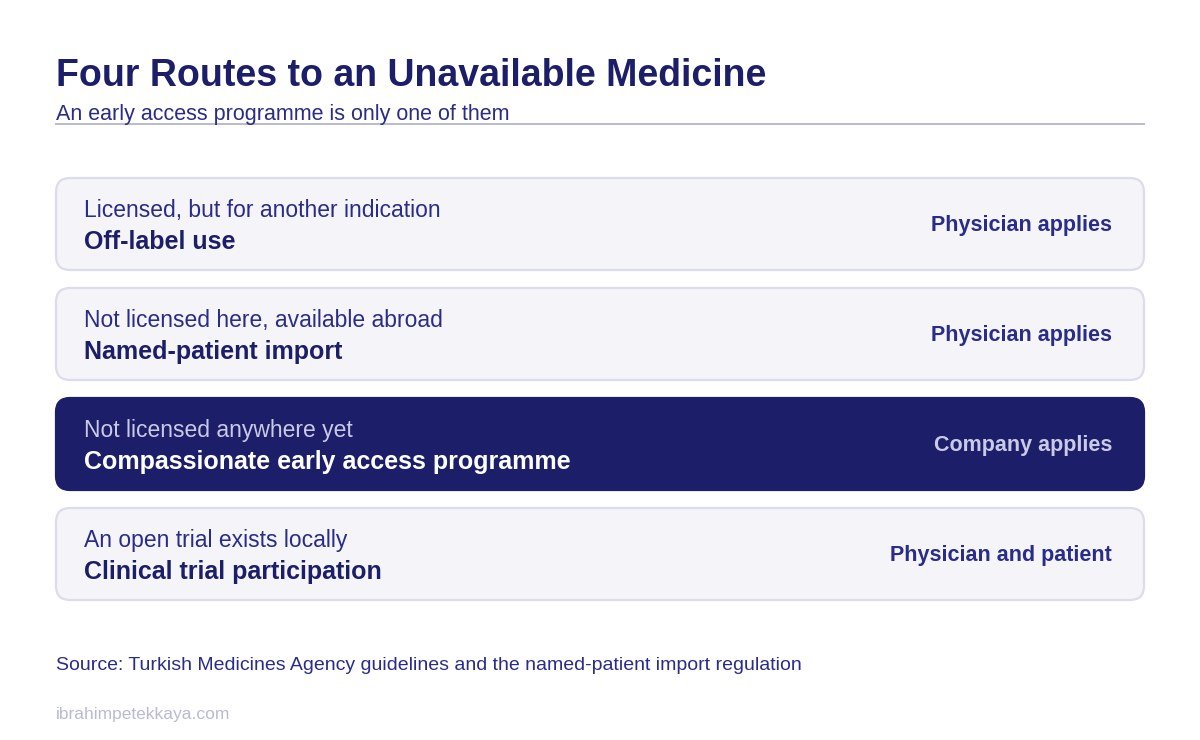
Table showing four routes to a medicine, including an early access programmeDiagnosis and Treatment

Early Access Programmes and Taking Part in Clinical Trials

What an early access programme is, how named-patient import works and what taking part in a clinical trial actually offers. Four routes compared.

Read the Article
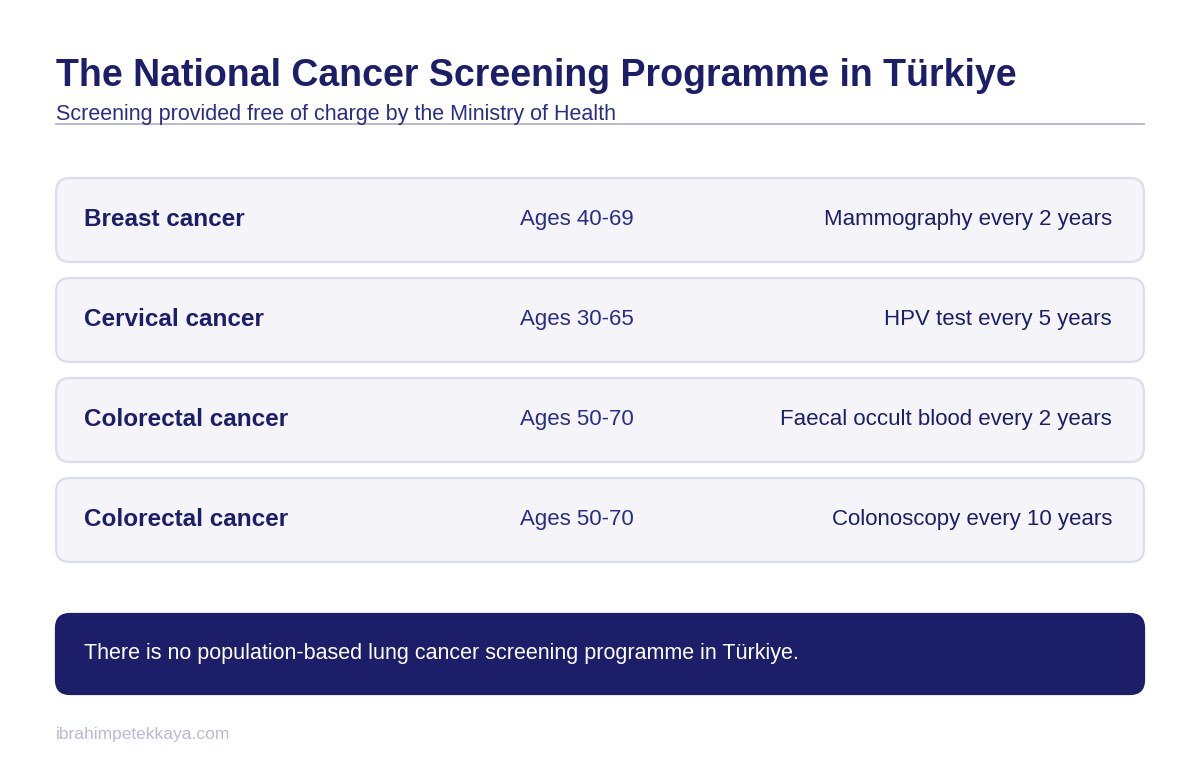
Table of the national screening programme for early detection of cancer in TürkiyeDiagnosis and Treatment

What Early Detection of Cancer Changes, and the Screening Schedule

What early detection of cancer actually changes, the screening schedule used in Türkiye, and the harms of screening, set out with randomised evidence.

Read the Article
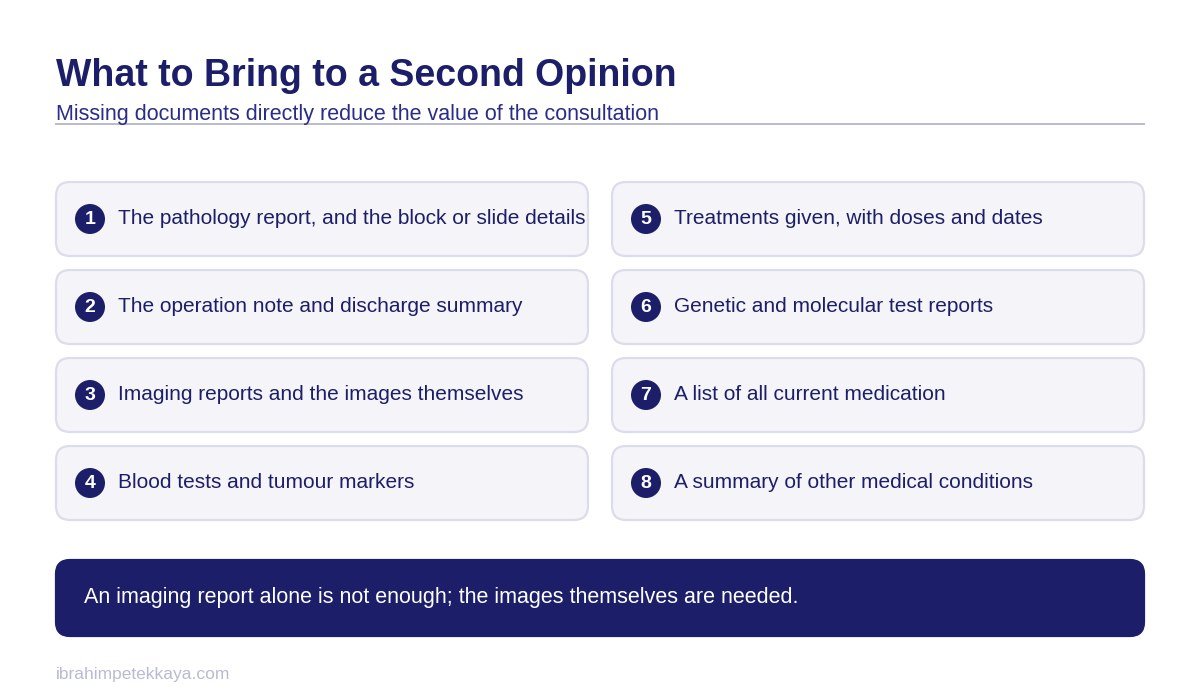
Checklist of what to bring when learning how to get a second opinion in cancerDiagnosis and Treatment

How to Get a Second Opinion in Cancer, and What to Bring

How to get a second opinion in cancer, which documents are needed and how to make the consultation productive. Timing, preparation and what to expect.

Read the Article
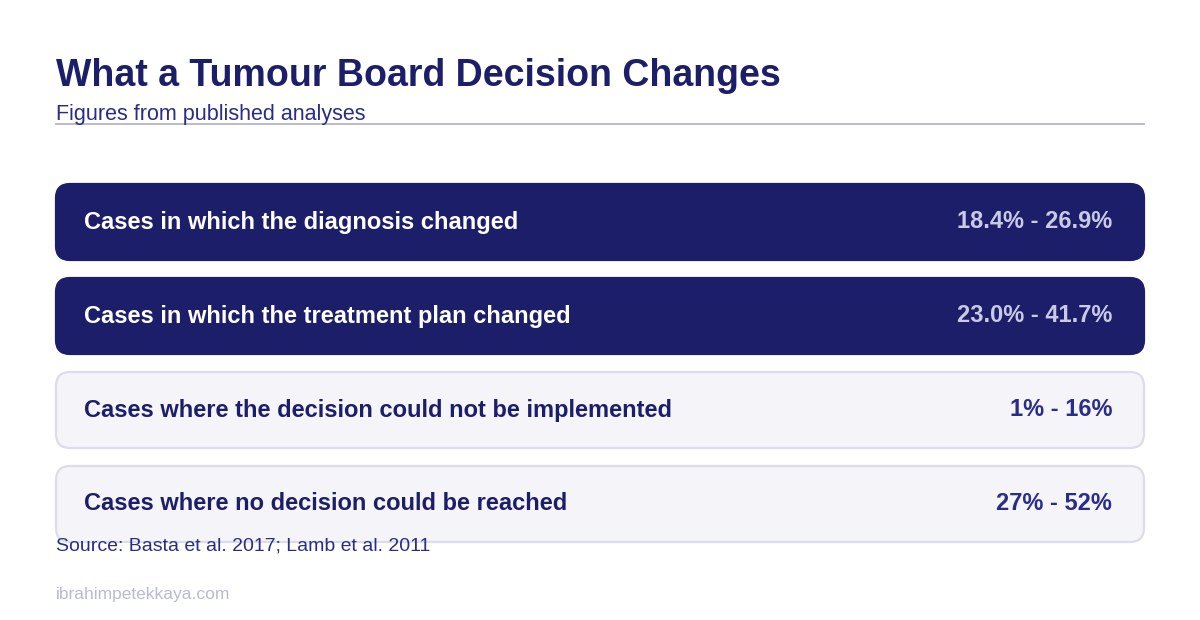
Table on how a tumour board works and how often it changes the diagnosis and planDiagnosis and Treatment

How a Tumour Board Works and Who Makes the Decision

How a tumour board works, who sits on it and who makes the decision, with figures on how often board review changes the diagnosis and the treatment plan.

Read the Article
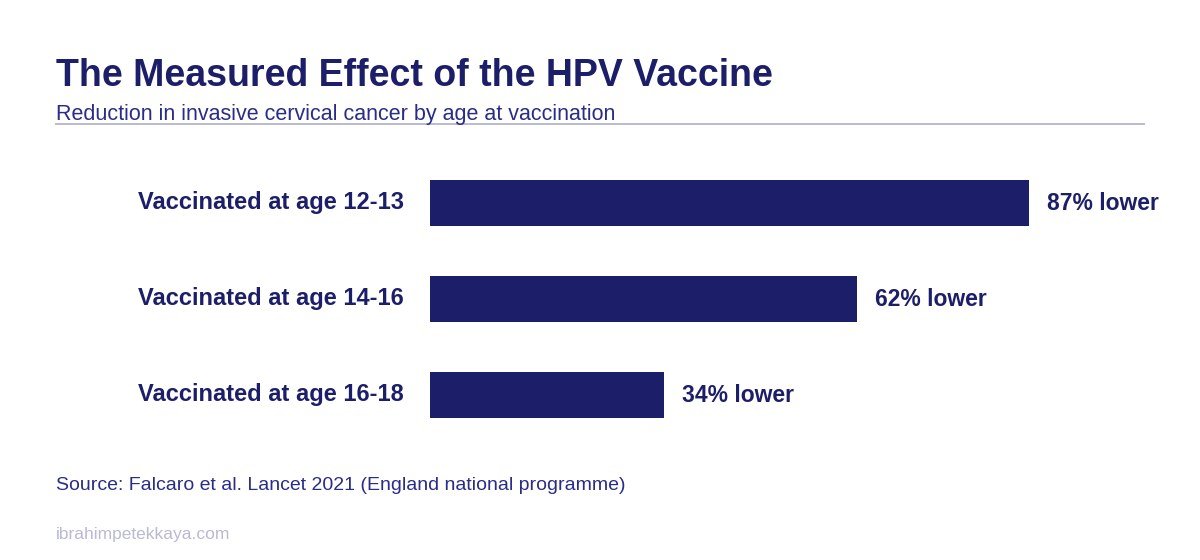
Chart of the effect of HPV vaccination alongside HPV screening on cervical cancerDiagnosis and Treatment

HPV Screening and Cervical Cancer: Who, and How Often?

Who should have HPV screening, at what age and how often? What a positive result means and what the vaccine has actually achieved, with the evidence.

Read the Article
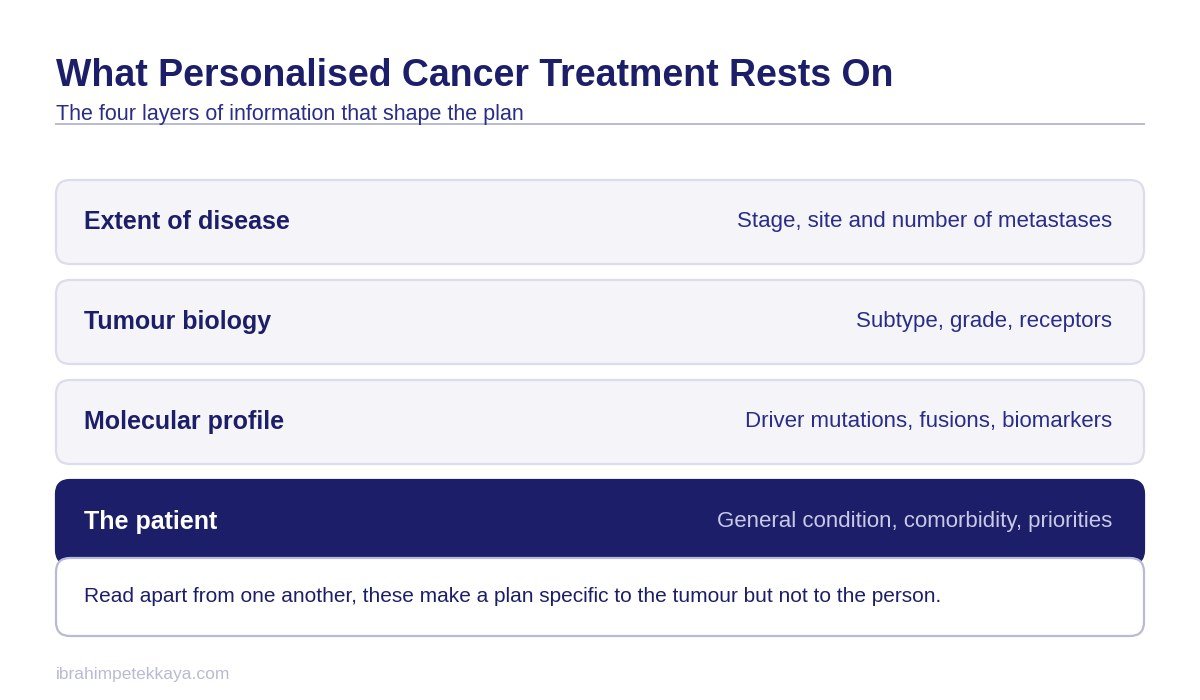
Table of the four layers of information behind personalised cancer treatmentDiagnosis and Treatment

What Personalised Cancer Treatment Actually Means

What personalised cancer treatment really refers to, which information it rests on and whether it is possible for every patient. The limits and the evidence.

Read the Article
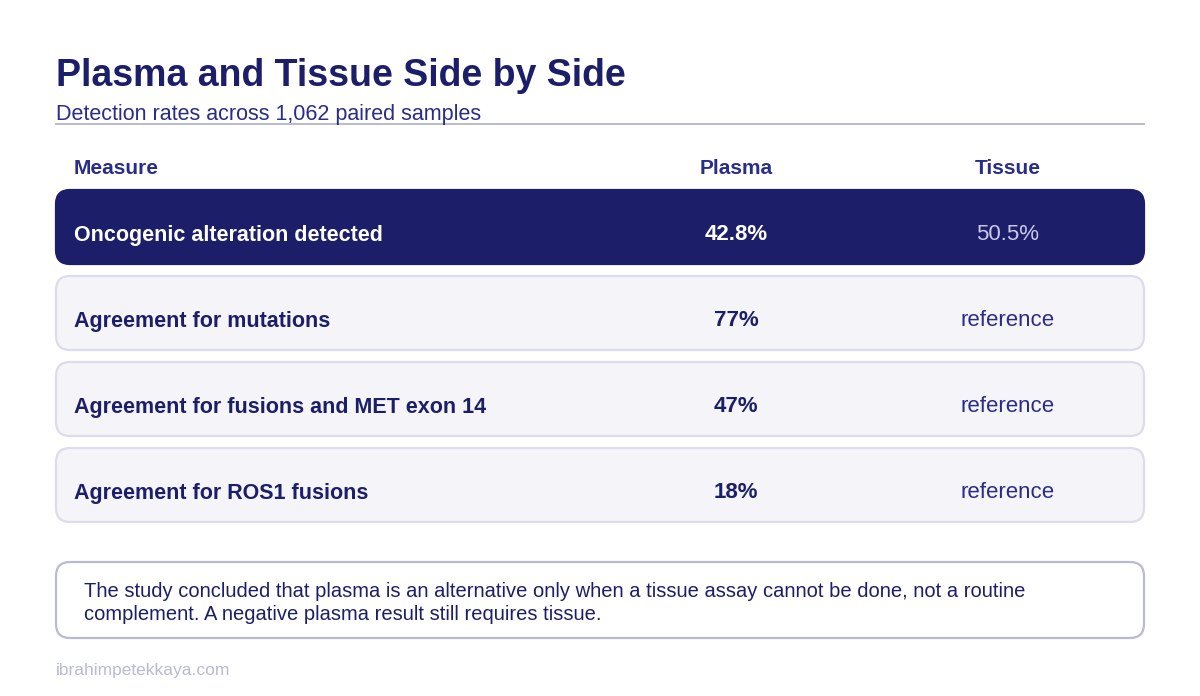
Table of agreement between the tissue biopsy and plasma ctDNA sequencing by type of changeDiagnosis and Treatment

What Plasma ctDNA Says When the Tissue Biopsy Is Not Enough

When the tissue biopsy falls short, plasma ctDNA opens a route to molecular diagnosis. Agreement is low for fusions and a negative result sends you back.

Read the Article
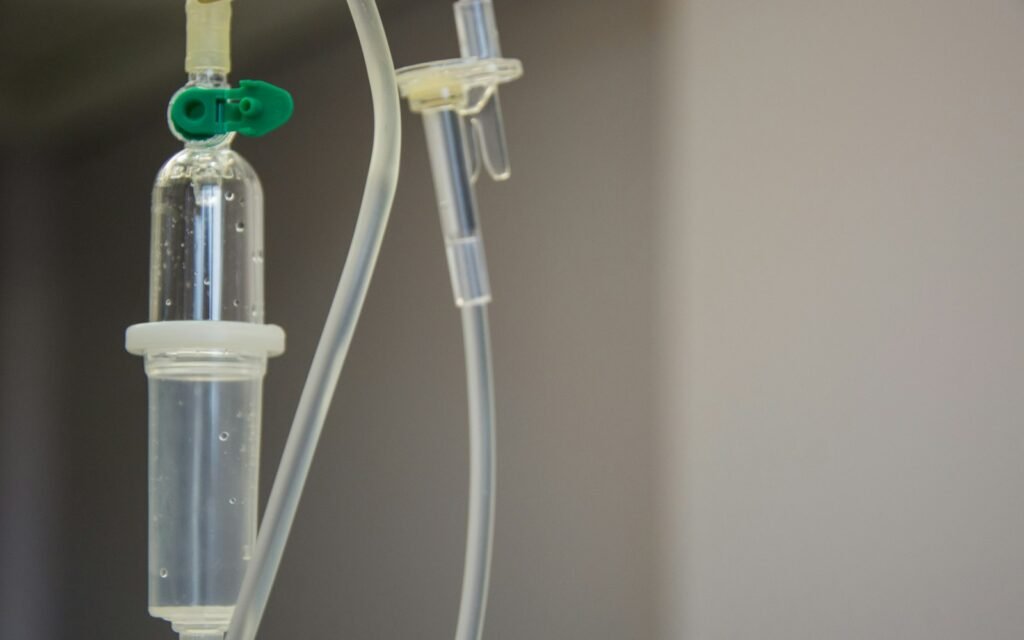
Treatment in the chemotherapy unitDiagnosis and Treatment

How Many Chemotherapy Cycles Are Given?

The number of cycles follows guideline protocols set by cancer type, stage and the aim of treatment. How duration differs in adjuvant, neoadjuvant and metastatic disease.

Read the Article

Genetic and Molecular Oncology 11 articles

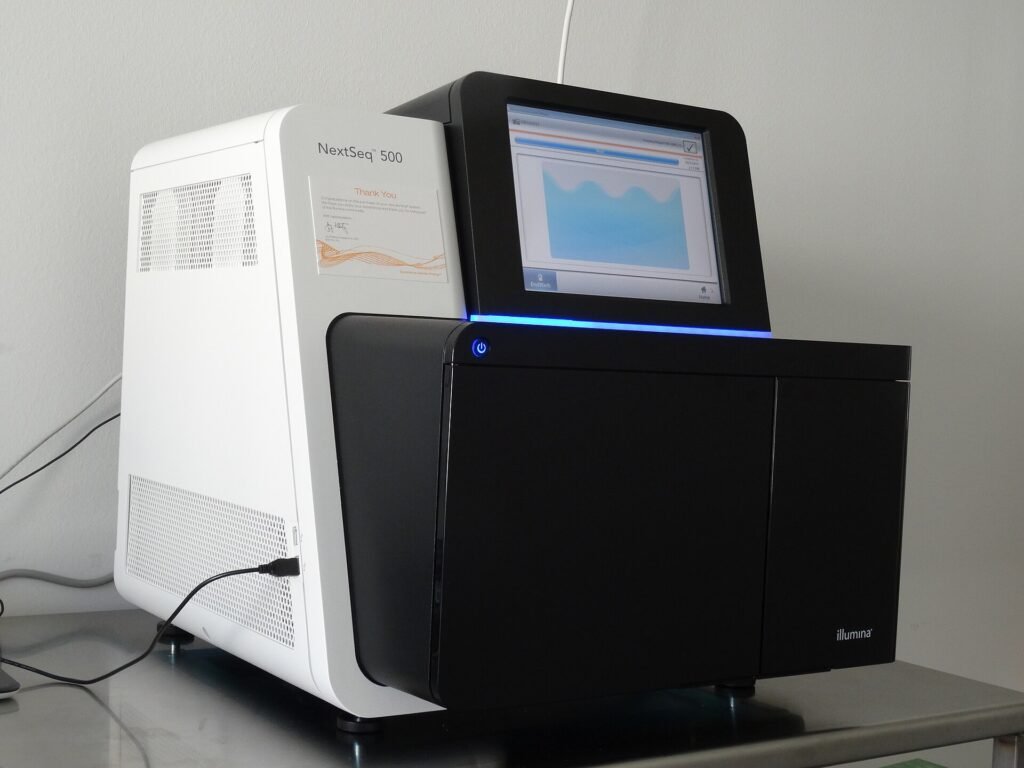
Next generation sequencer used to read a liquid biopsy for cancerGenetic and Molecular Oncology

Liquid Biopsy for Cancer: When It Is Used and What It Shows

Liquid biopsy for cancer reads tumour DNA from a blood sample. When it is requested, how it compares with tissue biopsy and what a negative result means.

Read the Article
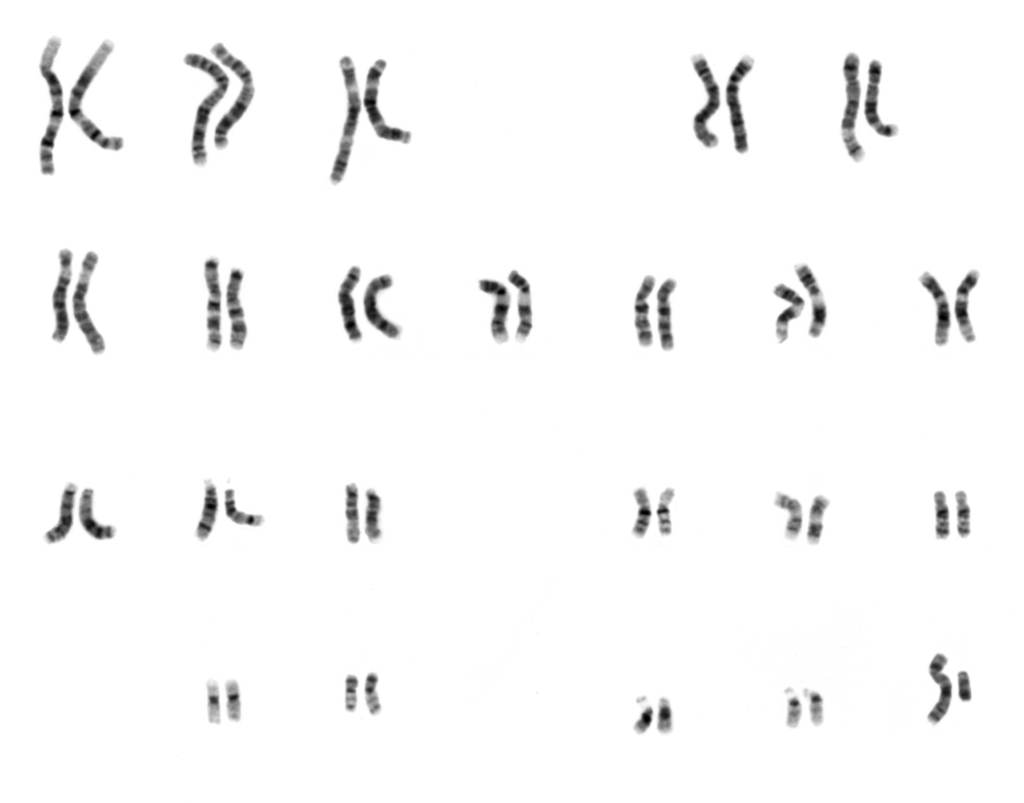
Human karyotype used when looking for a driver mutationGenetic and Molecular Oncology

Driver Mutation or Passenger: How a Genomic Report Is Read

A driver mutation steers tumour growth; a passenger simply travels with it. How the two are separated on a genomic report and what that changes in treatment.

Read the Article
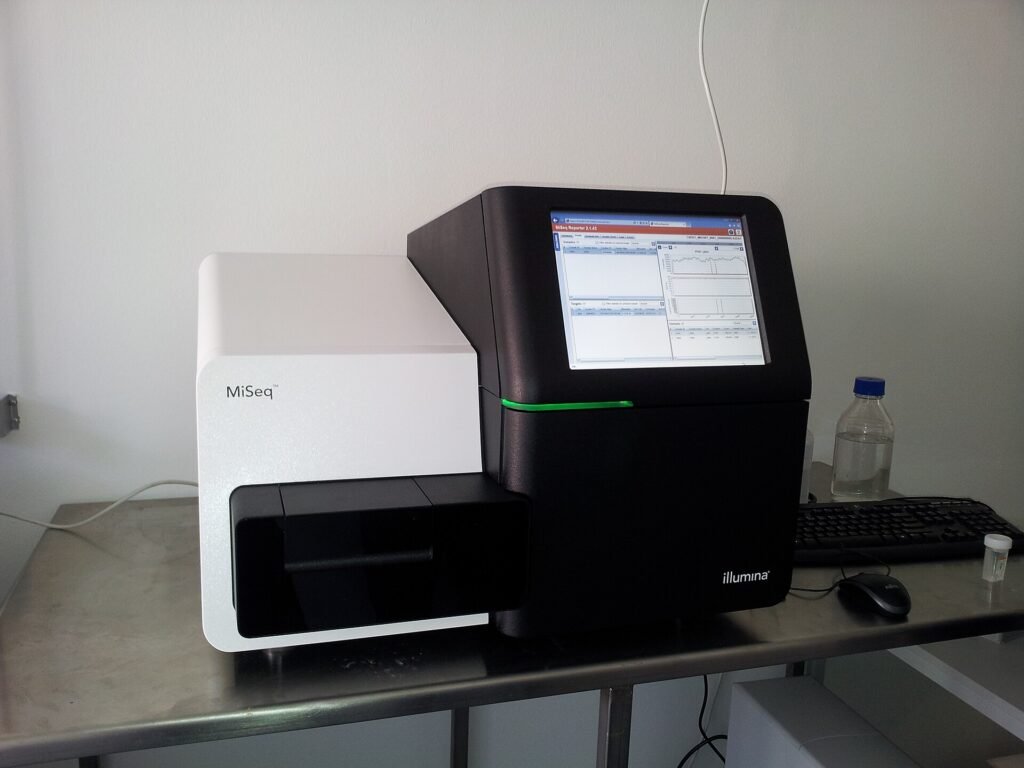
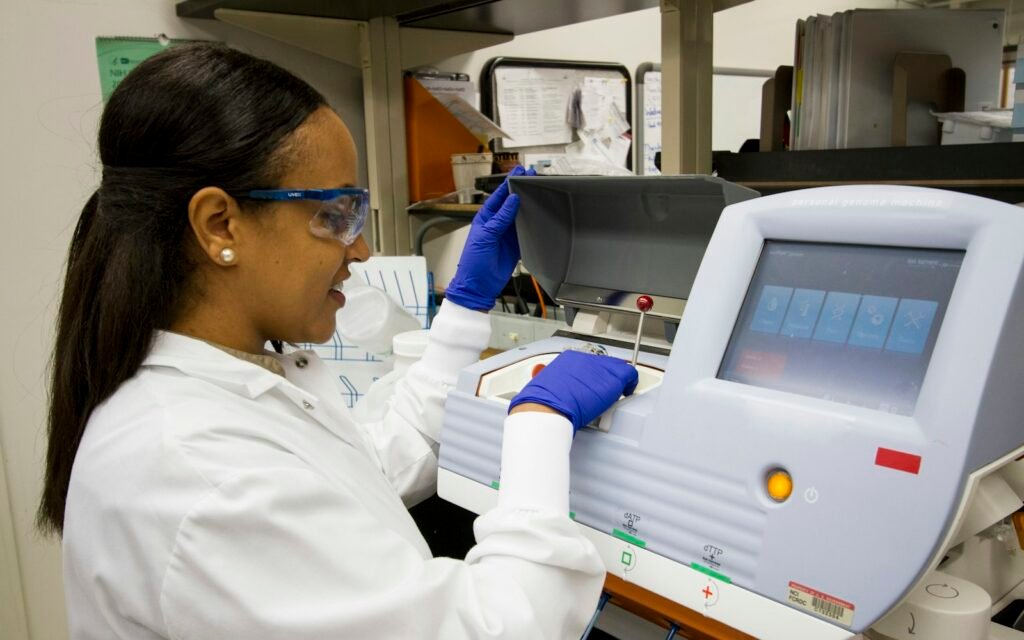
Learning how to read an NGS report starts at the sequencing instrumentGenetic and Molecular Oncology

How to Read an NGS Report: A Step-by-Step Guide for Patients

How to read an NGS report section by section: panel coverage, variants, TMB and MSI, levels of evidence, and the misreadings that change nothing in treatment.

Read the Article
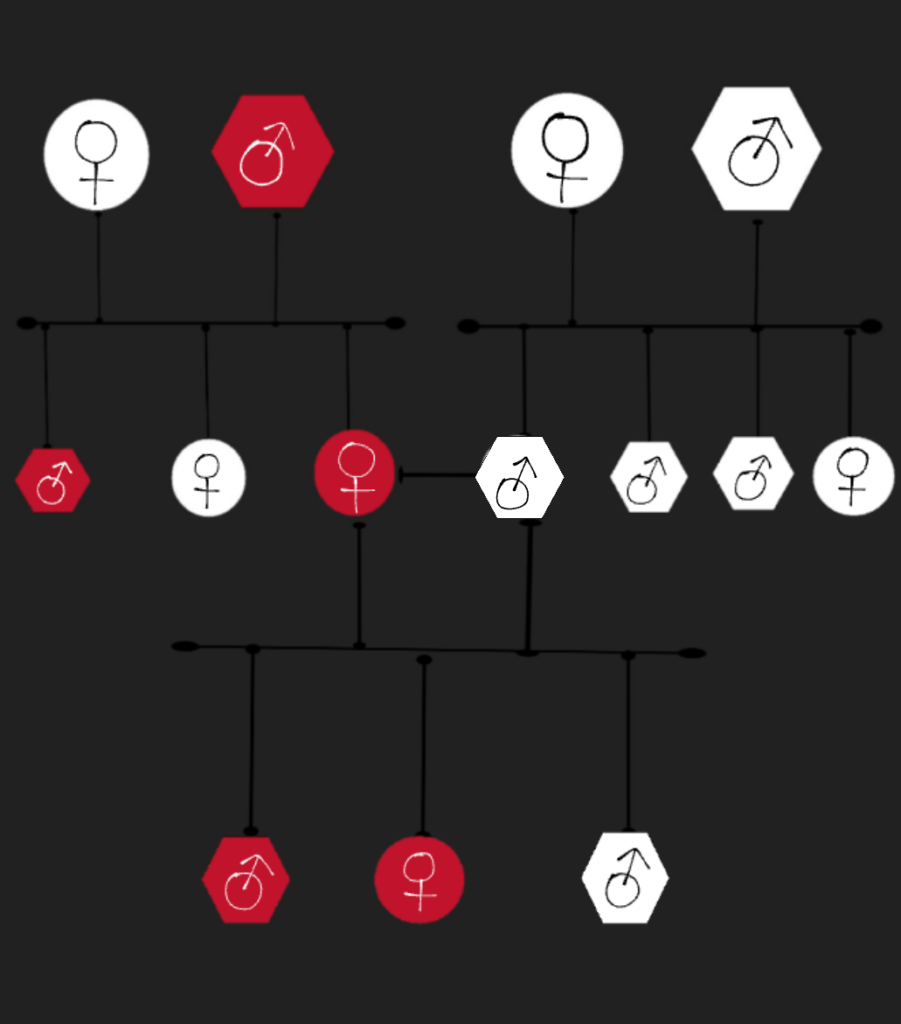
Pedigree used when asking whether cancer is hereditary in a familyGenetic and Molecular Oncology

Is Cancer Hereditary? Family Risk and the Two Kinds of Genetic Test

Is cancer hereditary? For about 5 to 10 per cent of cases, yes. How family risk is assessed, who is offered testing and what each result means in practice.

Read the Article
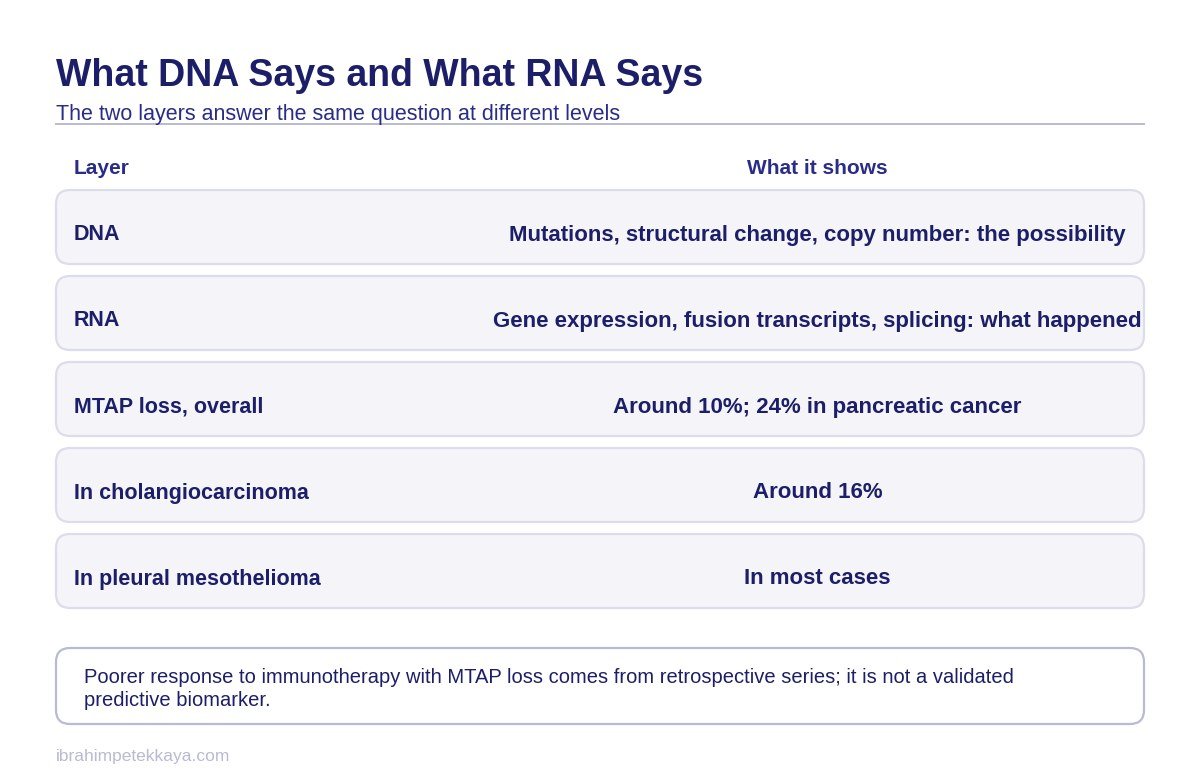
Table comparing which changes RNA analysis of a tumour and DNA sequencing each showGenetic and Molecular Oncology

What RNA Analysis of Tumours Adds Alongside DNA

RNA analysis does not replace DNA sequencing, it sits beside it: fusions, exon skipping and expression. MTAP loss is the clearest example of the difference.

Read the Article
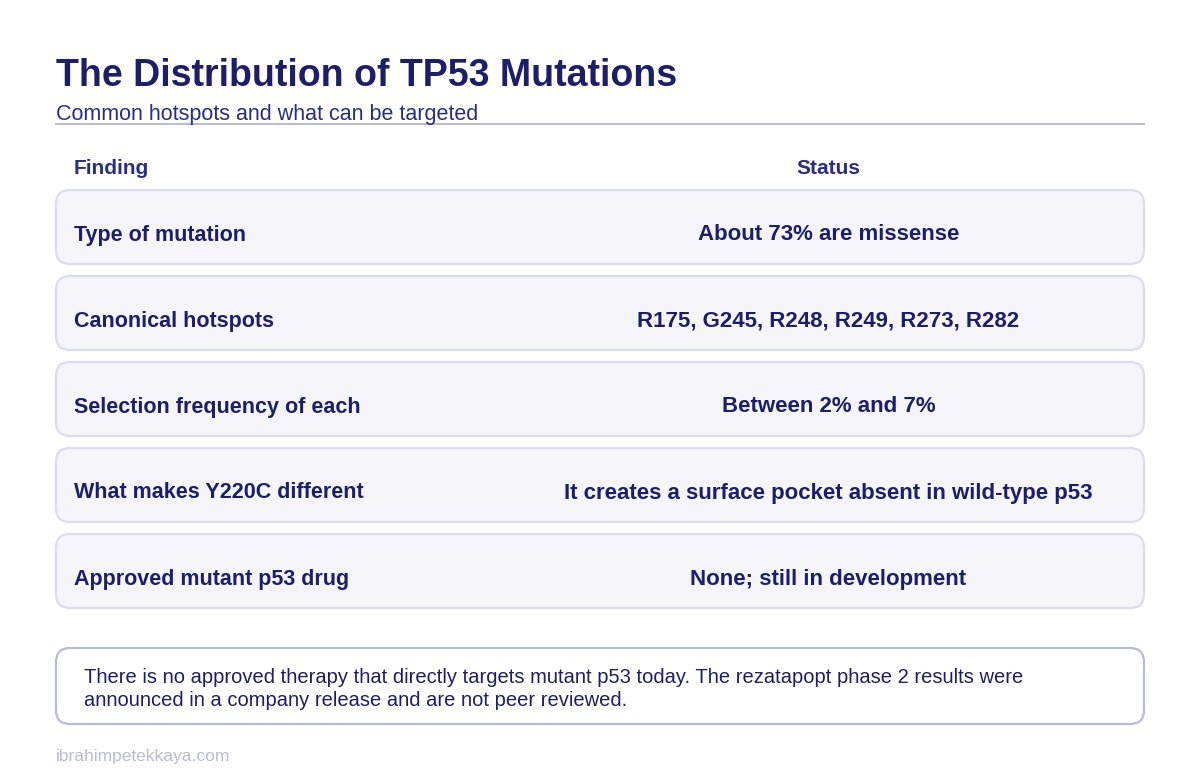
Diagram of the TP53 mutation hot spot codons and the structural feature of the Y220C changeGenetic and Molecular Oncology

Can a TP53 Mutation Be Targeted, and Where Do We Stand

A TP53 mutation is found in more than half of all cancers. What the first clinical data on the Y220C change show, and whether an approved treatment exists.

Read the Article
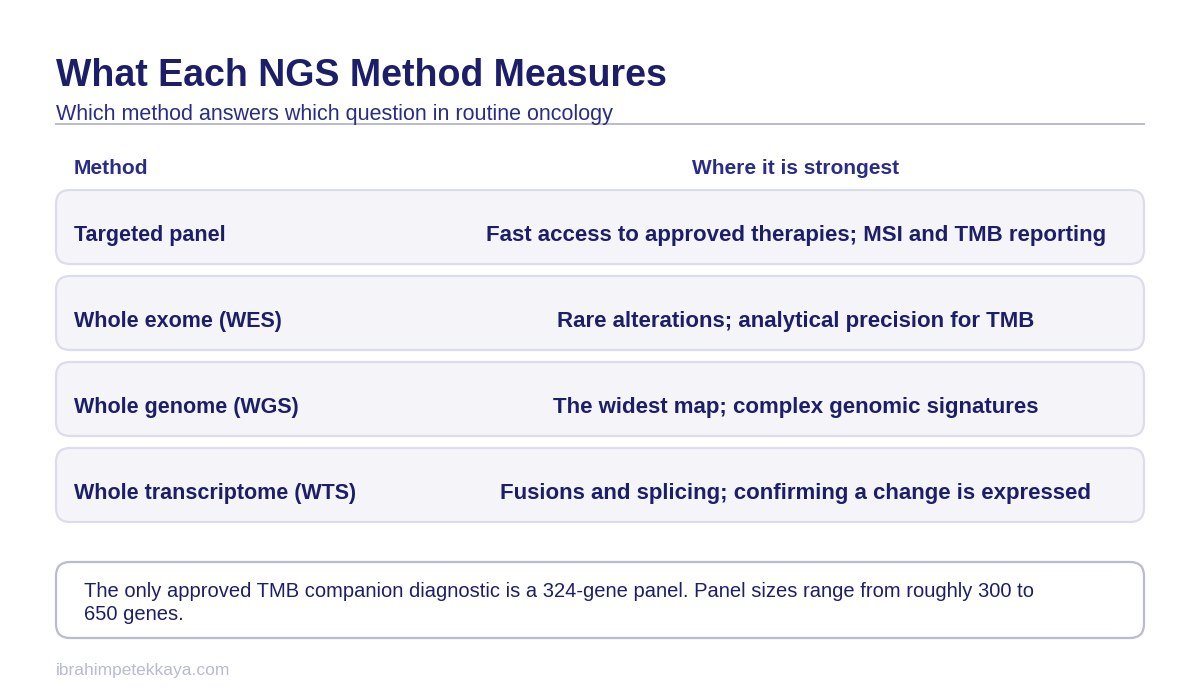
Diagram comparing the coverage of a targeted panel, whole exome sequencing, whole genome and transcriptome sequencingGenetic and Molecular Oncology

The Difference Between Panel, Exome, Genome and Transcriptome

What whole exome sequencing, a targeted panel, whole genome and transcriptome sequencing measure, which measurement is approved and which is research grade.

Read the Article
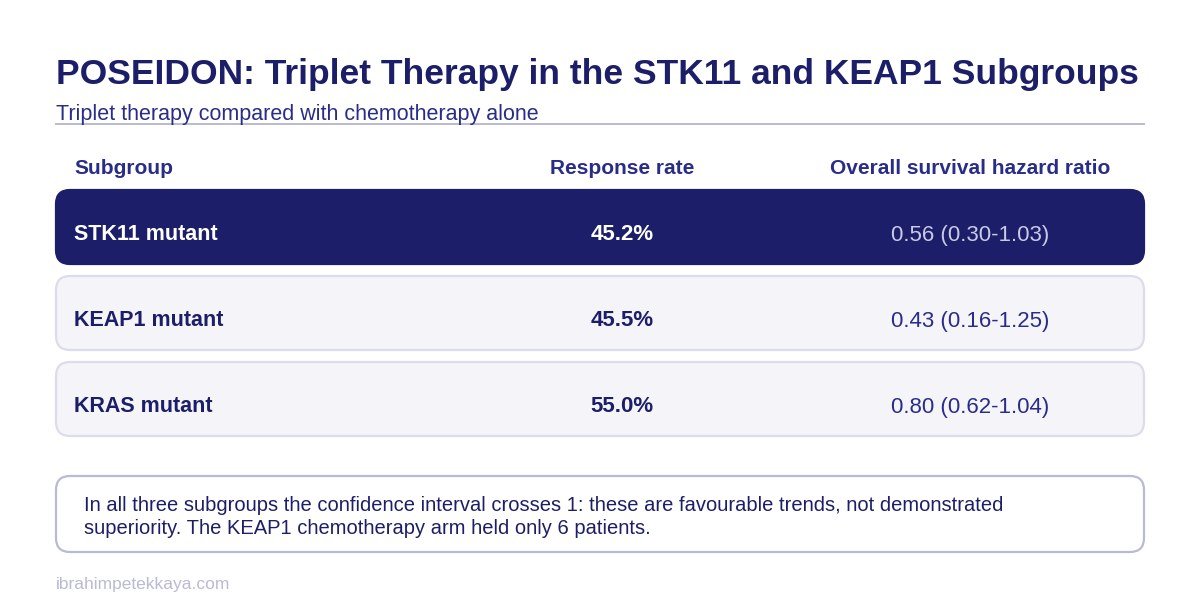
Table of response rates and overall survival hazard ratios for patients with STK11 and KEAP1 mutations in the POSEIDON subgroupsGenetic and Molecular Oncology

How STK11 and KEAP1 Mutations Affect Immunotherapy

STK11 and KEAP1 mutations are linked to resistance to PD-1 and PD-L1 drugs. POSEIDON subgroup data showed a favourable trend with the CTLA-4 triplet.

Read the Article
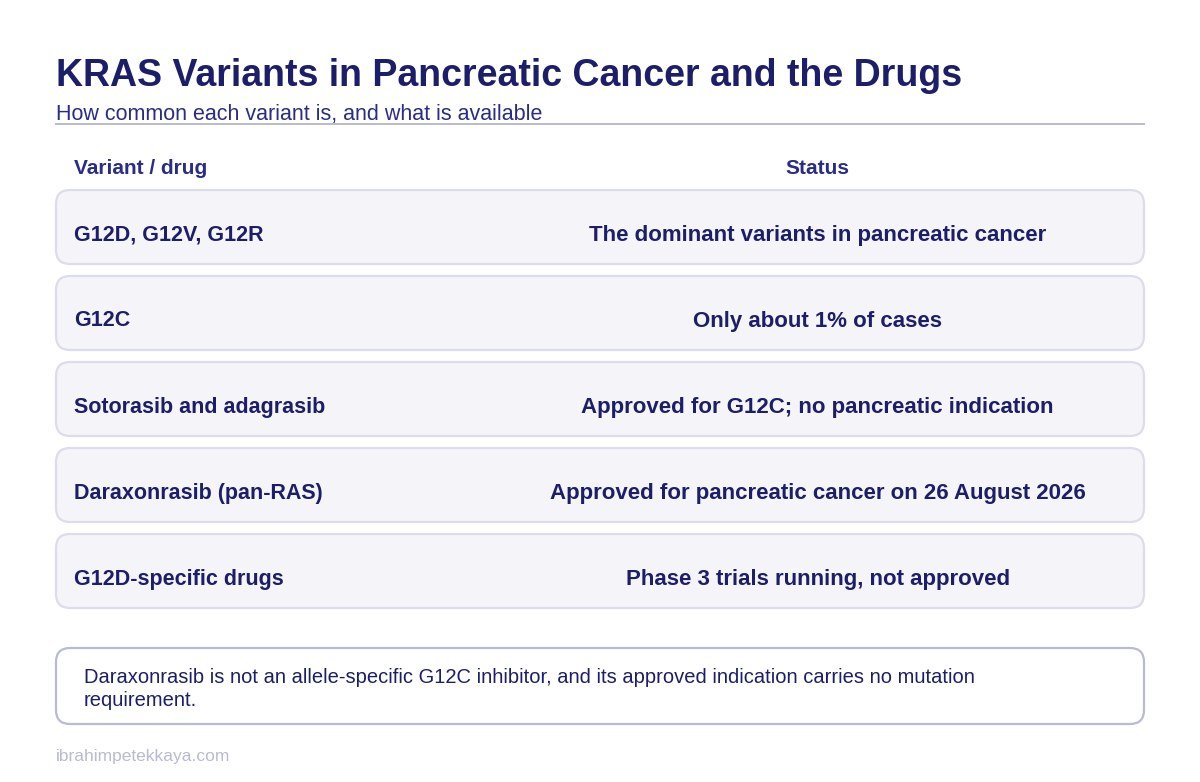
Table showing the approval status of the KRAS G12C inhibitors alongside the phase 3 results of the pan-RAS inhibitor approved in pancreatic cancerGenetic and Molecular Oncology

Where KRAS G12C Inhibitors Stand in Pancreatic Cancer

KRAS G12C inhibitors are approved in lung and colorectal cancer but not in pancreatic cancer. The drug approved there is pan-RAS daraxonrasib.

Read the Article
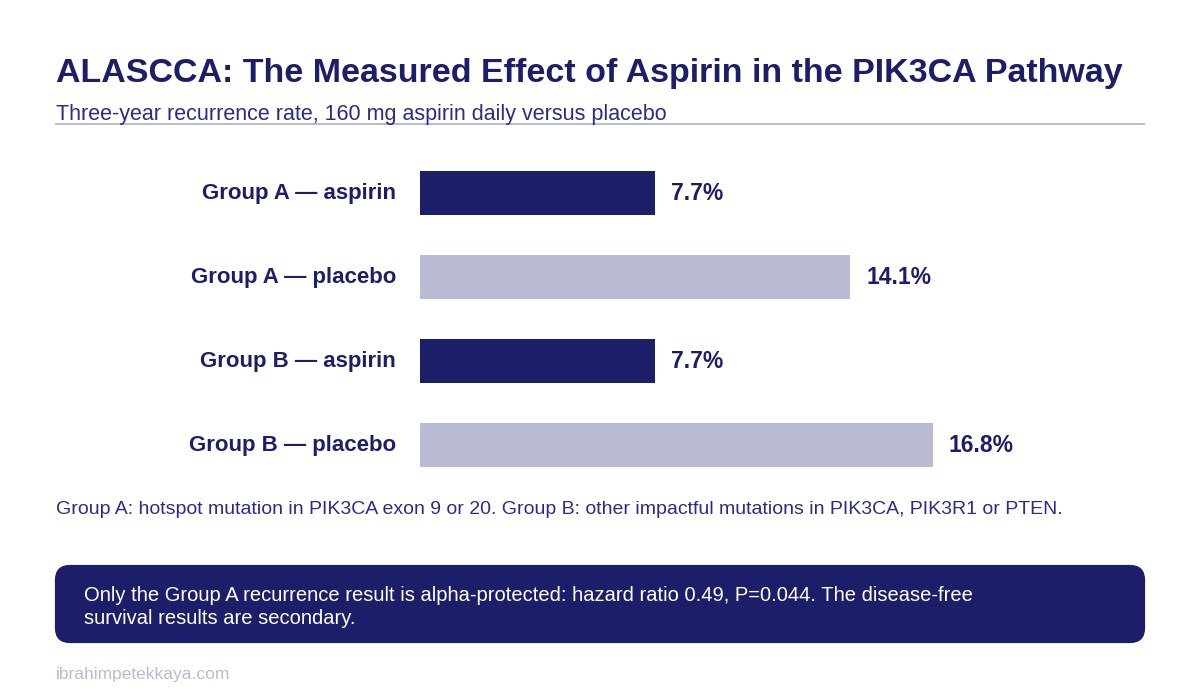
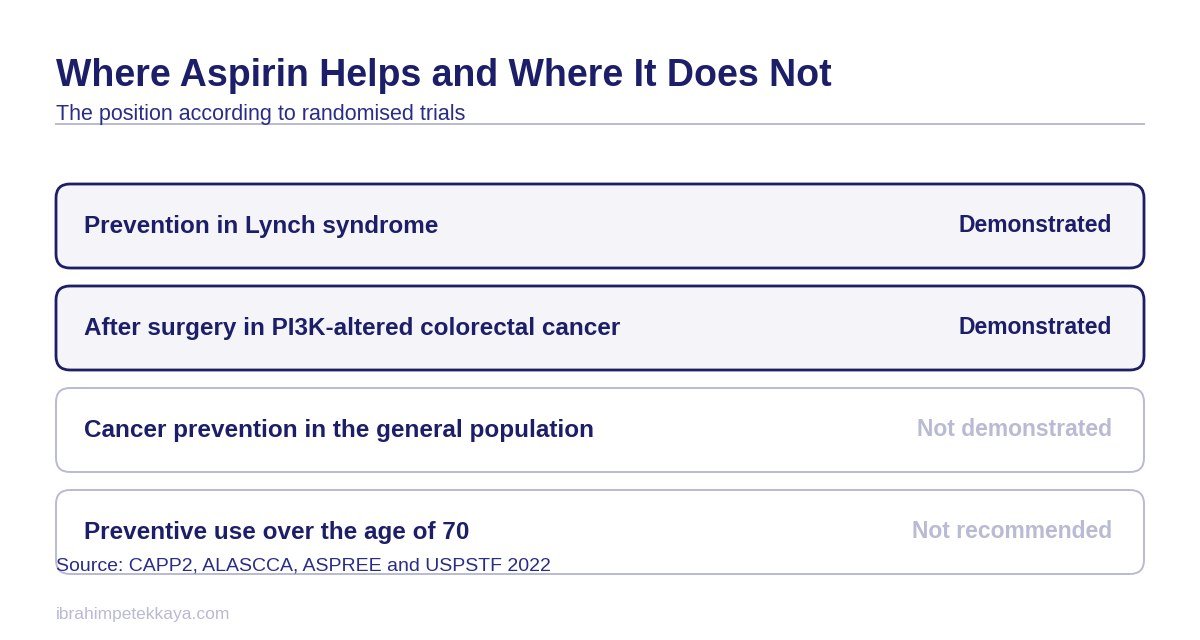
Chart of the effect of aspirin on recurrence in patients with a PIK3CA mutation in the ALASCCA trialGenetic and Molecular Oncology

What a PIK3CA Mutation Changes in Colorectal Cancer

In localised colorectal cancer with a PIK3CA mutation, 160 mg of aspirin a day markedly cut three-year recurrence. The ALASCCA trial results in full.

Read the Article
Cell culture examination in the laboratoryGenetic and Molecular Oncology

What Does VUS Mean on an NGS Report?

A variant of uncertain significance is one that has not yet been shown either to raise or not to raise cancer risk. How to read its place in the report.

Read the Article

Cancer Types 7 articles

Illustration of tumour cells within a breast ductCancer Types

How the Treatment Decision Is Made in Hormone Receptor-Positive Breast Cancer

Is chemotherapy needed in hormone receptor-positive breast cancer, what do genomic assays decide, and how long does endocrine therapy last?

Read the Article
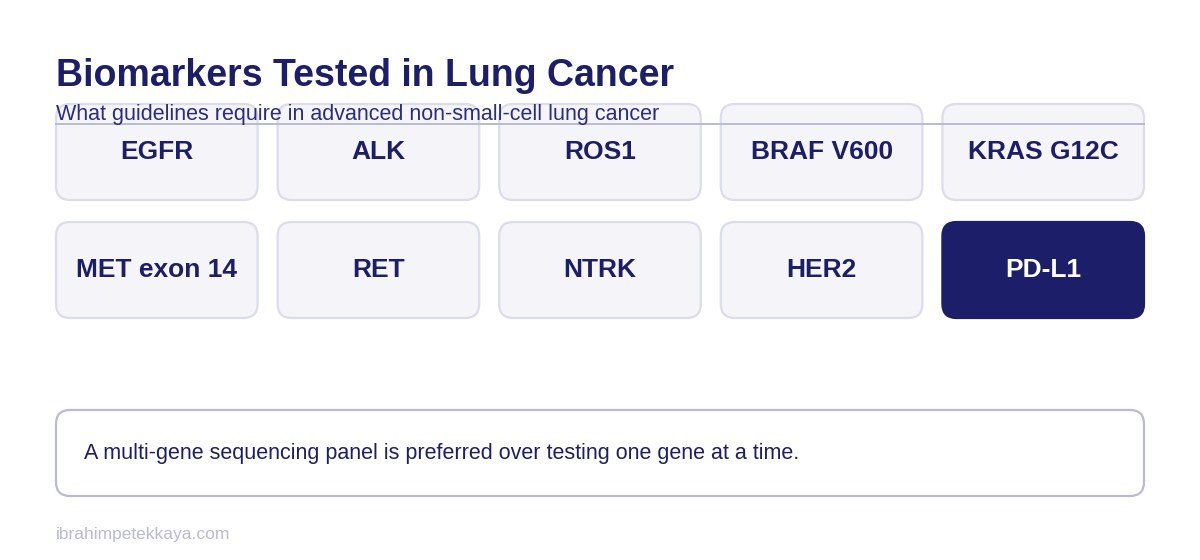
Diagram of the genes covered by biomarker testing in lung cancerCancer Types

When Is Biomarker Testing in Lung Cancer Requested?

Which genes biomarker testing in lung cancer covers, when it is requested, and whether tissue or blood should be used. Guideline-based answers.

Read the Article
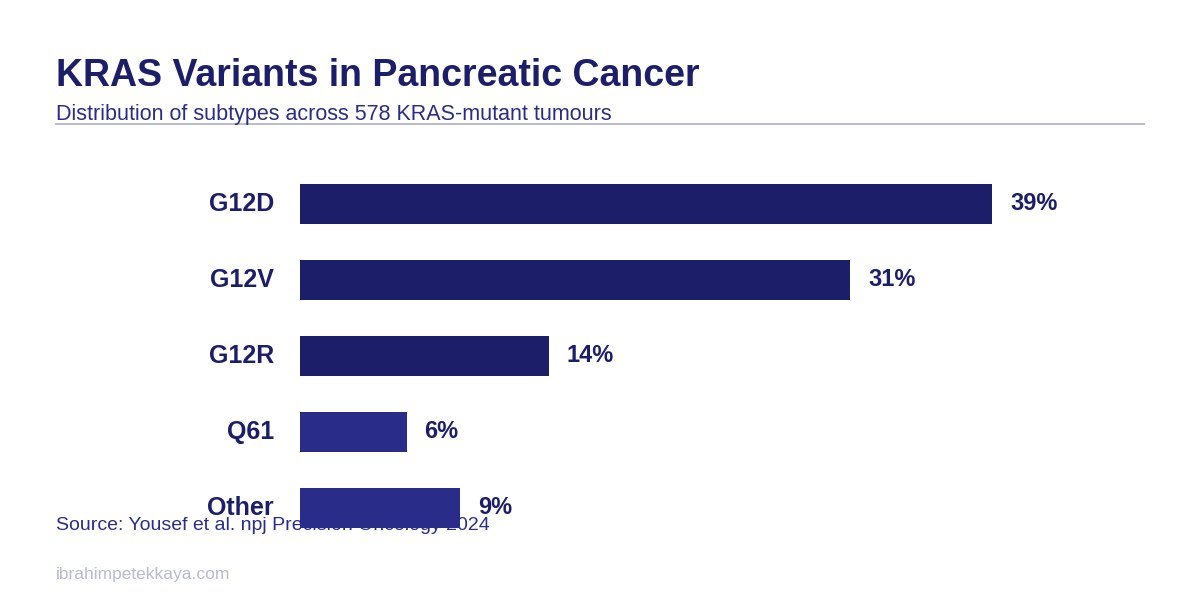
Chart of the variants of KRAS in pancreatic cancer and how often each occursCancer Types

KRAS in Pancreatic Cancer and the New Treatments

Why KRAS in pancreatic cancer is so common, what the variants change, and where the new drugs stand. The role of genomic profiling explained.

Read the Article
Microscopic examination of a pathology sample in cancer of unknown primaryCancer Types

How Is Cancer of Unknown Primary Diagnosed?

How cancer of unknown primary is diagnosed, which tests are used and what molecular profiling changes, with the randomised evidence.

Read the Article
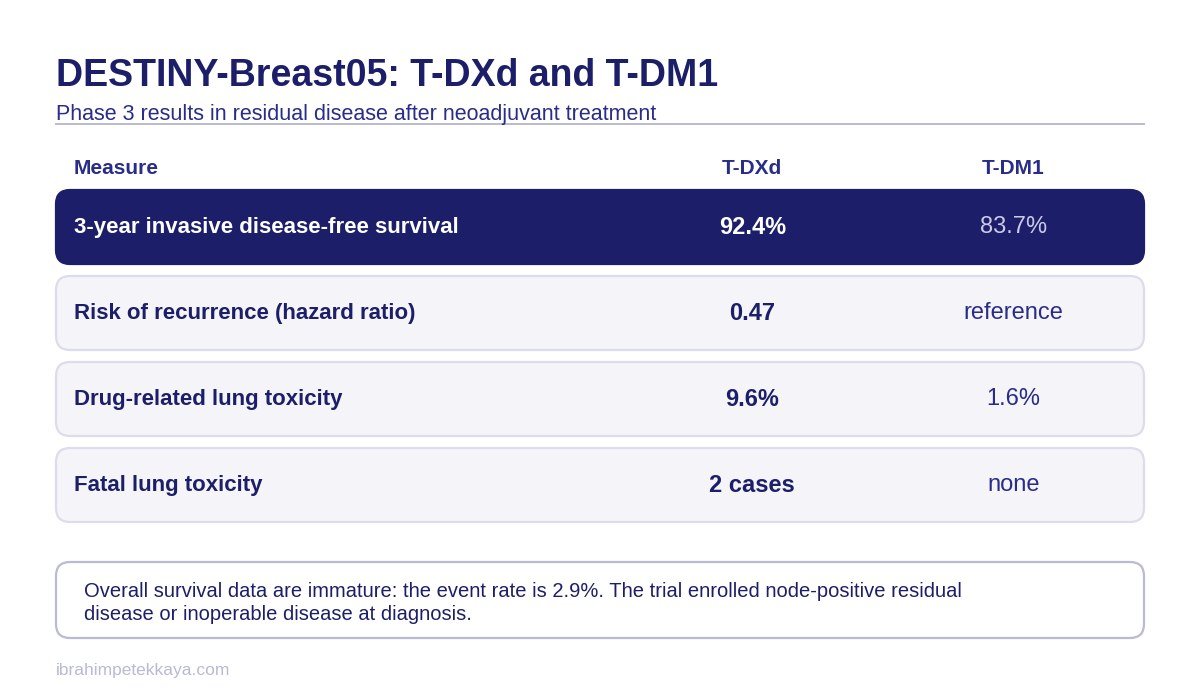
Table comparing trastuzumab deruxtecan with T-DM1 in the DESTINY-Breast05 trialCancer Types

What Trastuzumab Deruxtecan Changed in Early Breast Cancer

Trastuzumab deruxtecan has replaced T-DM1 when tumour remains after treatment given before surgery. The DESTINY-Breast05 results and the lung risk.

Read the Article
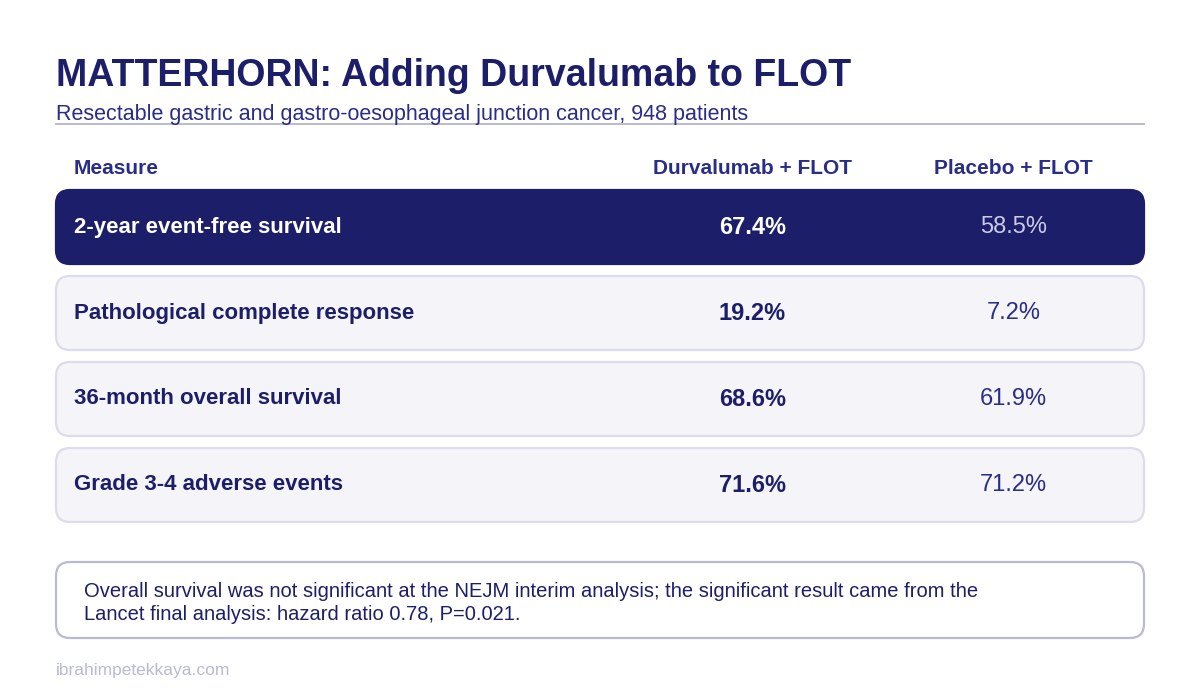
Table of the results of adding immunotherapy in stomach cancer in the MATTERHORN trialCancer Types

Immunotherapy in Stomach Cancer Has Moved to the Time Around Surgery

Immunotherapy in stomach cancer is no longer confined to metastatic disease. MATTERHORN measured what adding durvalumab to the FLOT regimen achieves.

Read the Article
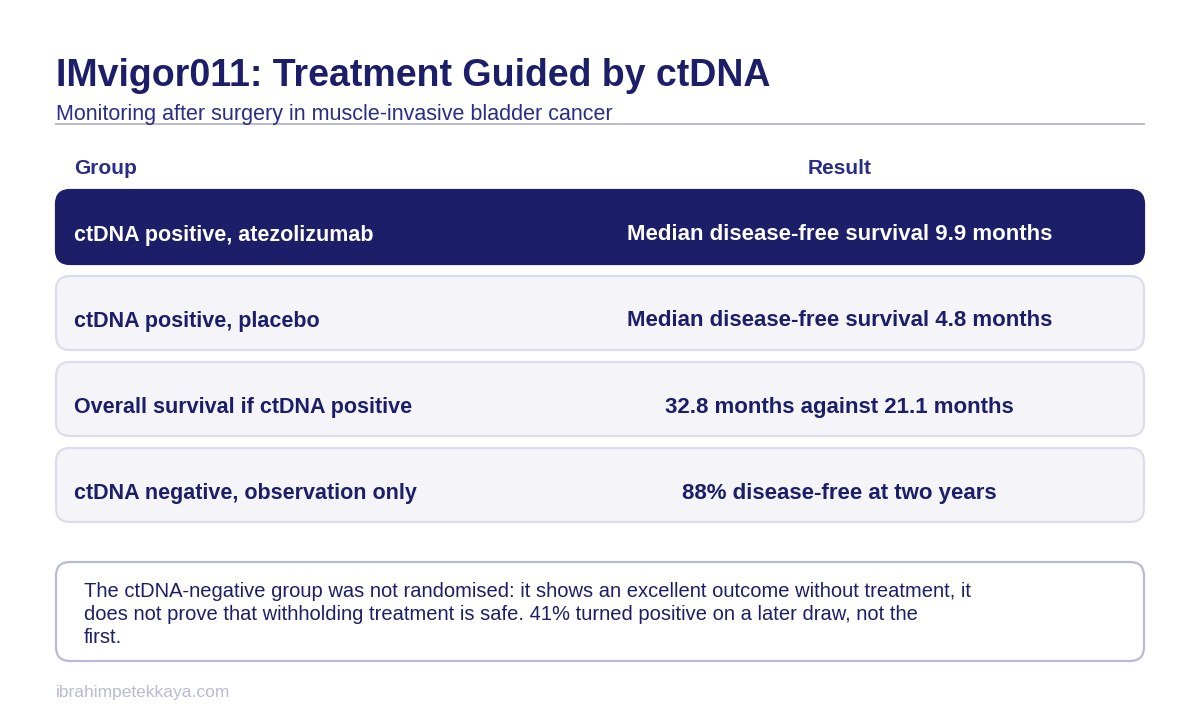
Table of survival outcomes in ctDNA-positive and ctDNA-negative patients after surgery for muscle-invasive bladder cancerCancer Types

What ctDNA Changes in Muscle-Invasive Bladder Cancer

In muscle-invasive bladder cancer, atezolizumab extended disease-free and overall survival in patients who turned ctDNA-positive after surgery.

Read the Article

Life and Support 7 articles

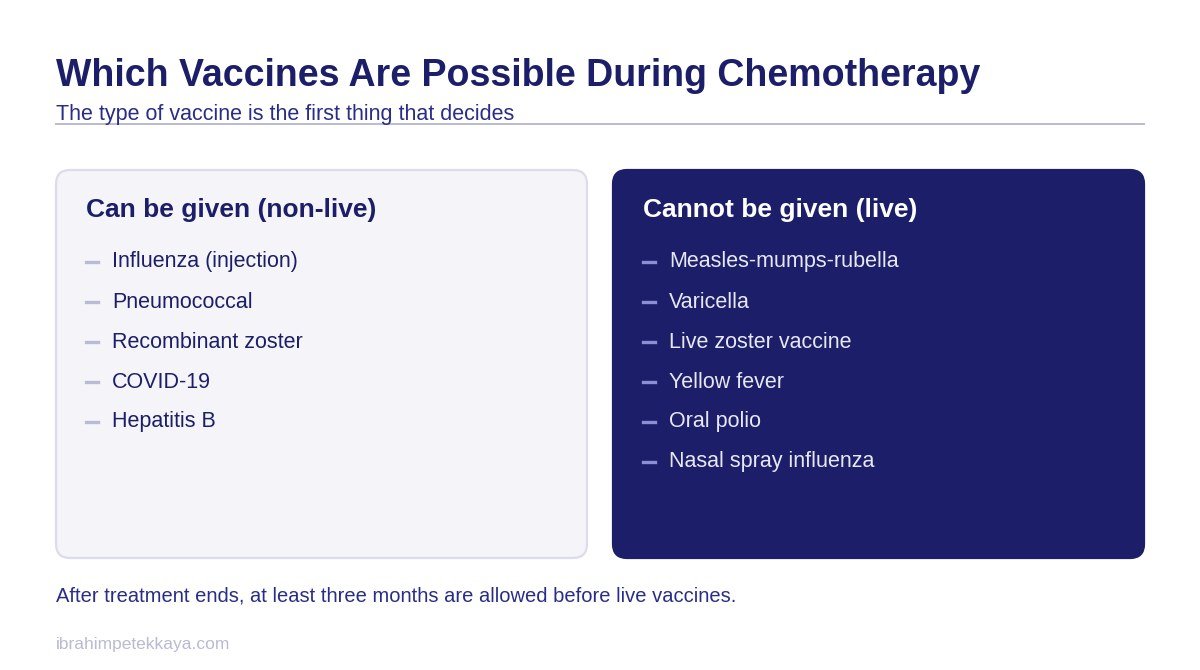
Table of vaccines during chemotherapy: which can be given and which cannotLife and Support

Vaccines During Chemotherapy: Flu and Pneumonia Vaccine Timing

Are vaccines during chemotherapy safe, when should the flu and pneumonia vaccines be given, and which vaccines are ruled out? Guideline-based answers.

Read the Article
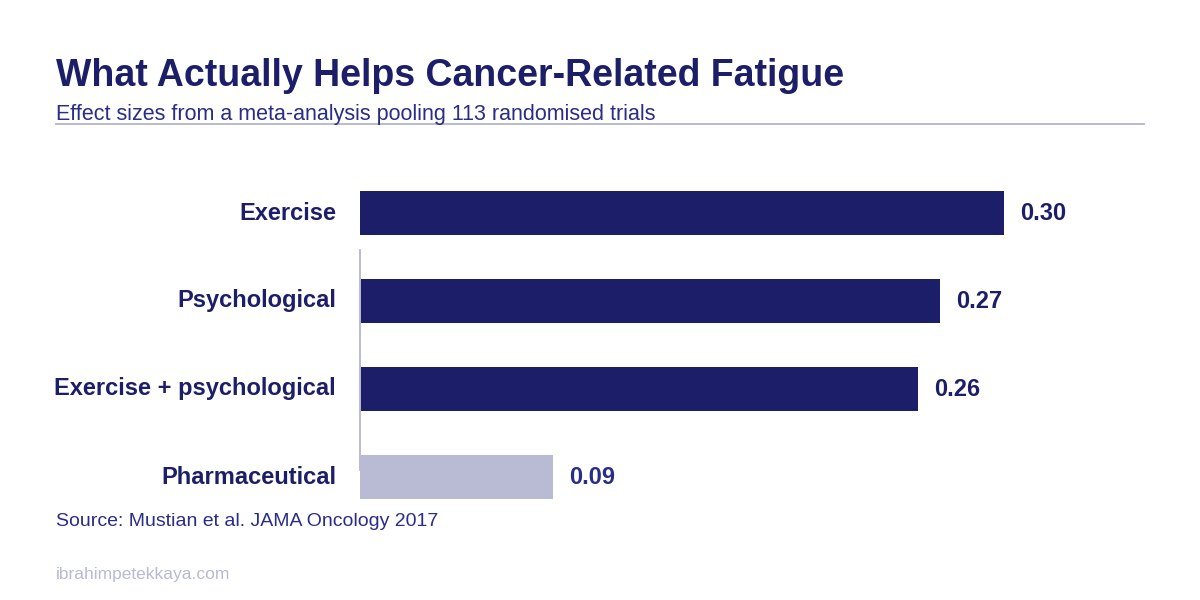
Chart of effect sizes of treatments for fatigue after chemotherapyLife and Support

Why Fatigue After Chemotherapy Does Not Go Away

Why fatigue after chemotherapy persists, how long it lasts and what genuinely helps, based on clinical guidelines and randomised evidence.

Read the Article
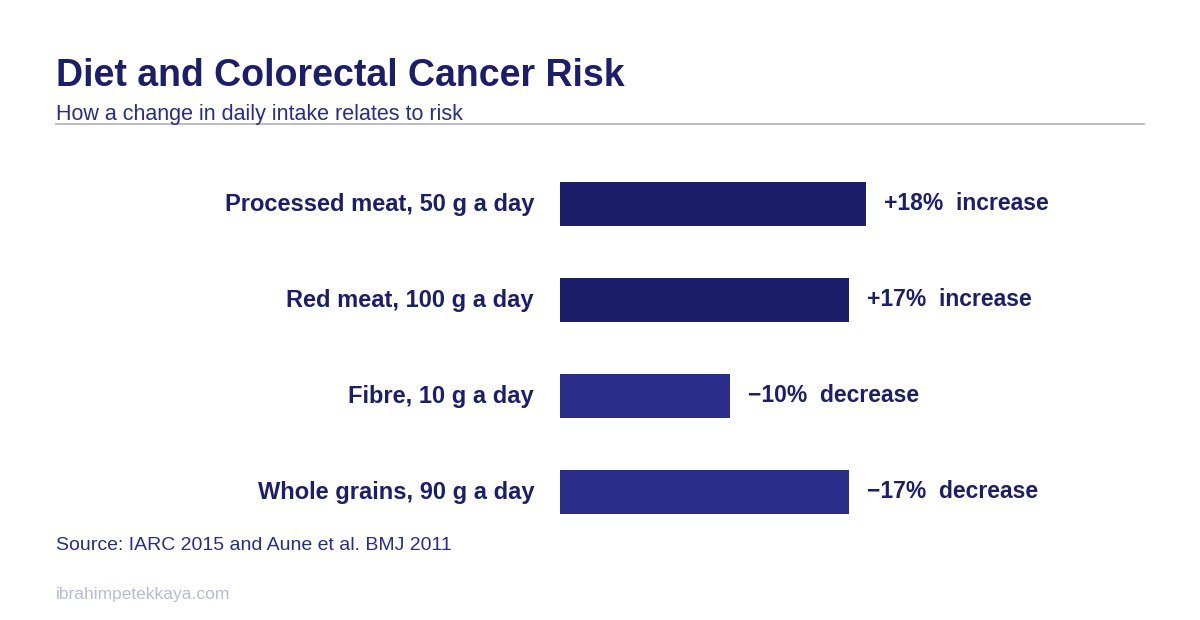
Chart showing the relationship between diet and colorectal cancer riskLife and Support

Diet and Colorectal Cancer: Fibre, the Gut Microbiome and the Evidence

What diet and colorectal cancer research actually shows: fibre, whole grains, red meat and the gut microbiome, advice after diagnosis, and unsupported claims.

Read the Article
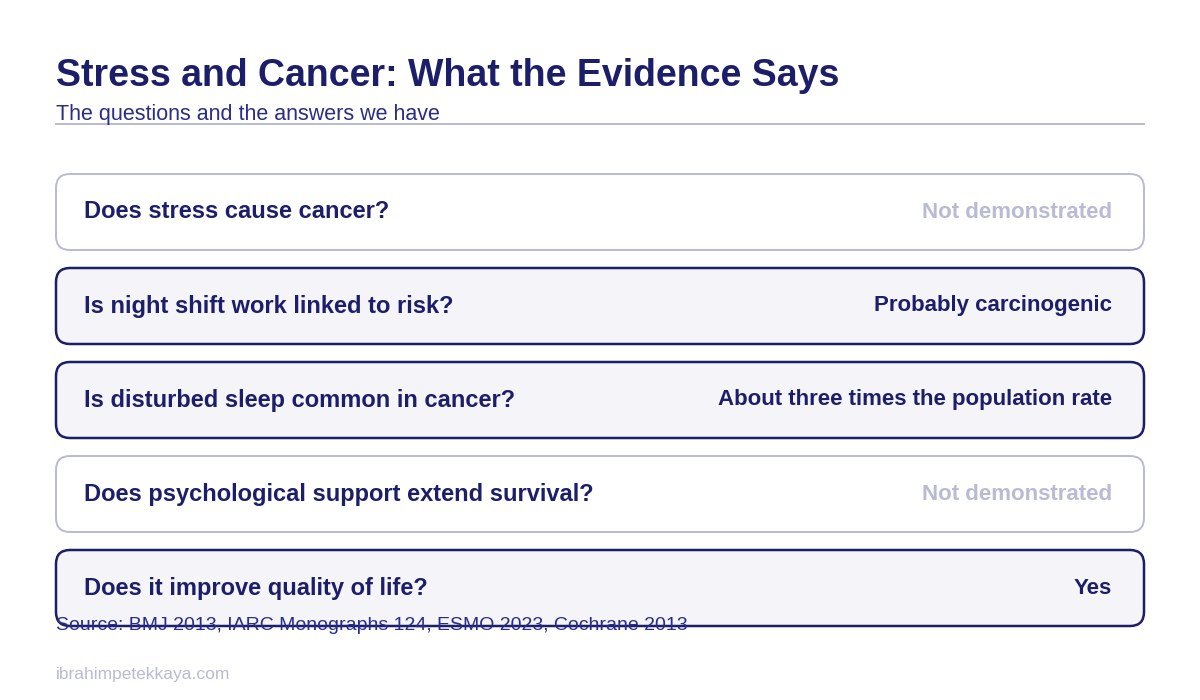
Table showing what the evidence says about stress and cancerLife and Support

Stress, Sleep and Immunity: How Much Do They Matter in Cancer?

Is there really a link between stress and cancer, what does sleep change, and what does psychological support achieve? An evidence-based, unexaggerated account.

Read the Article
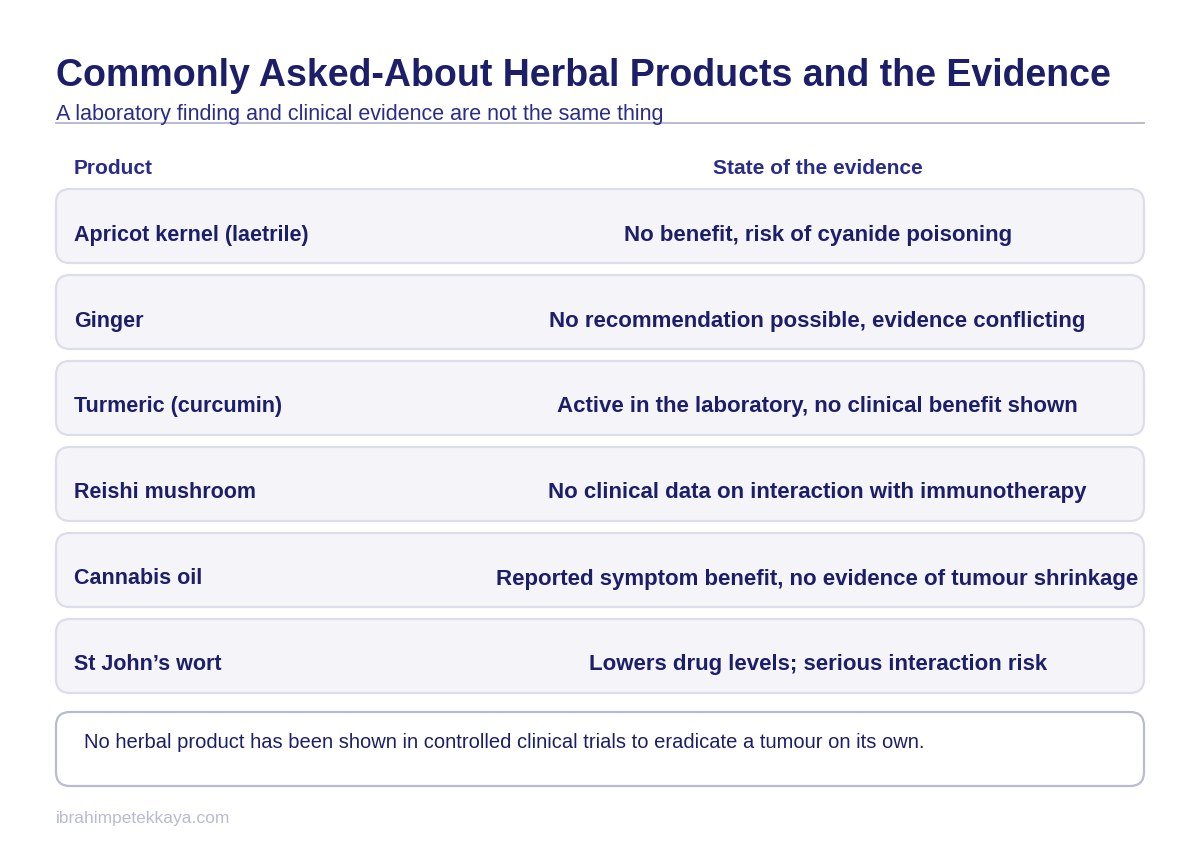
Table showing the level of evidence and the interaction risk for herbal supplements commonly used during cancer treatmentLife and Support

Are Herbal Supplements Safe in Cancer, and What Does the Evidence Say

Herbal supplements cannot be called safe in cancer treatment. The evidence and interaction risk for ginger, reishi, curcumin, laetrile and St John’s wort.

Read the Article
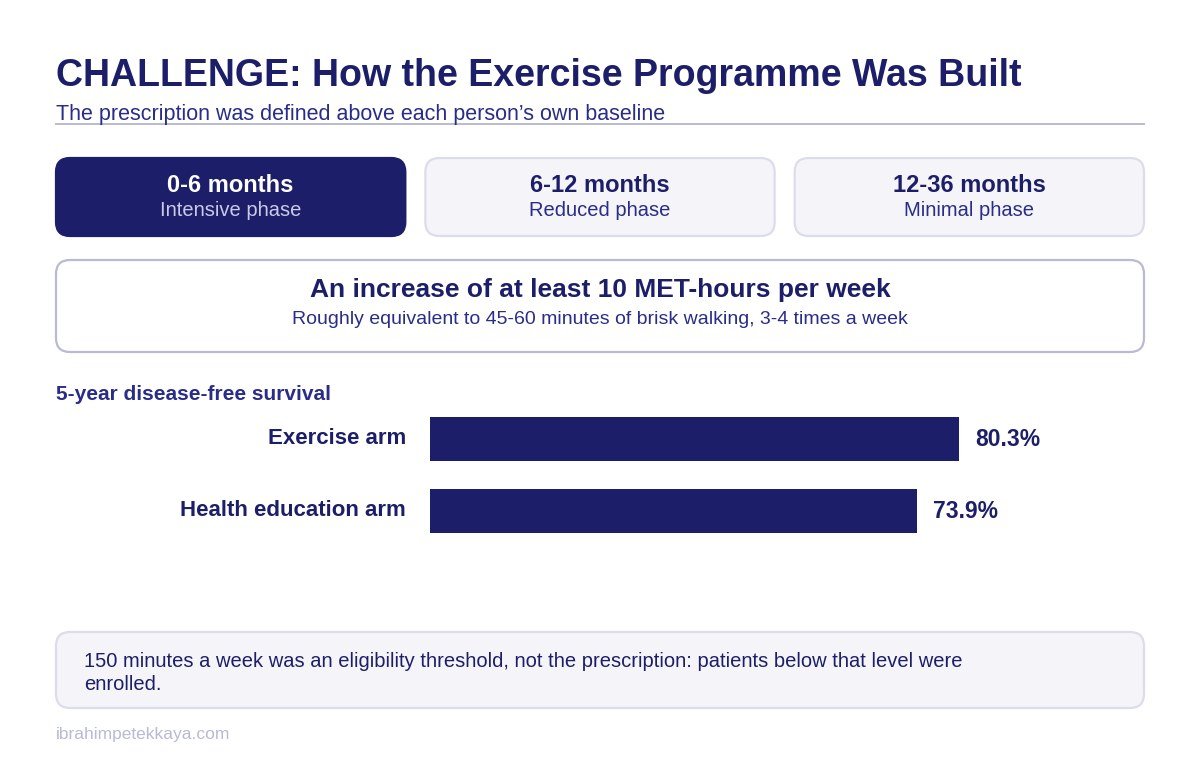
Diagram of the exercise in colon cancer programme in the CHALLENGE trial, showing its phases and resultsLife and Support

Exercise in Colon Cancer Is Now Part of Treatment

Exercise in colon cancer is no longer only lifestyle advice. The CHALLENGE trial showed that a structured programme changes the oncological outcome.

Read the Article
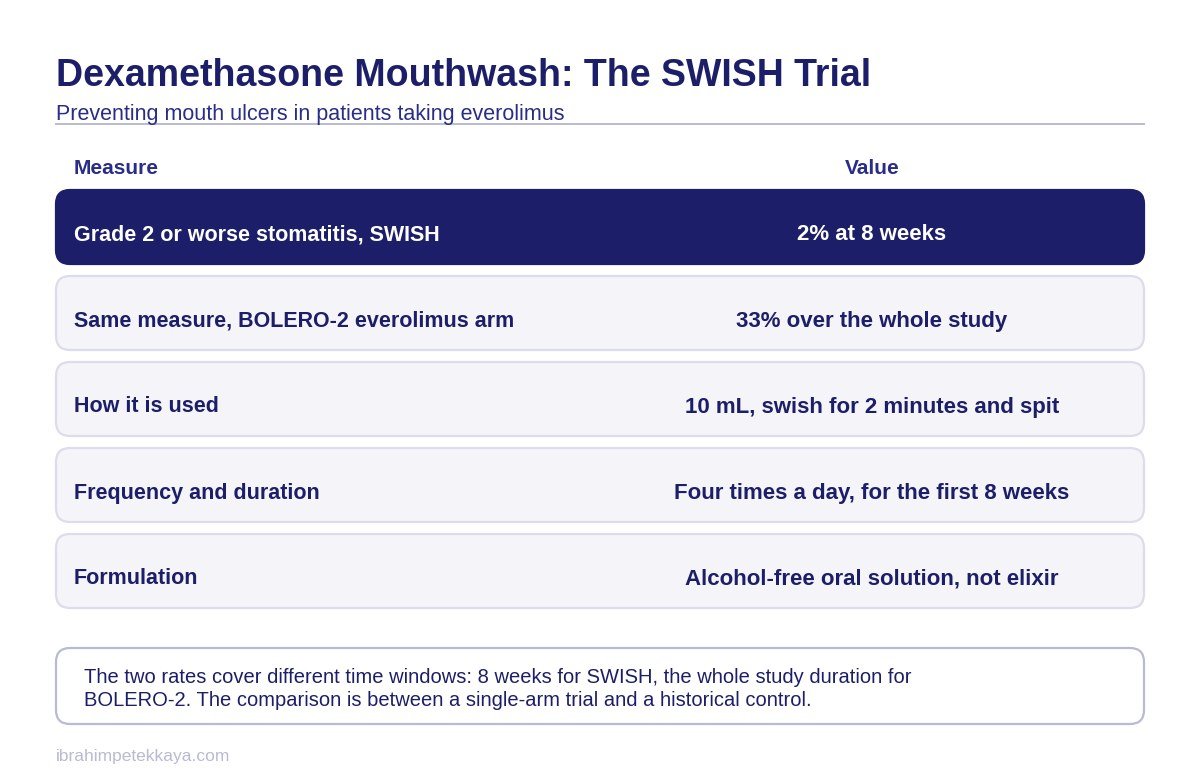
Table comparing the frequency of mouth sores on everolimus treatment with the results of dexamethasone mouthwashLife and Support

How Mouth Sores Are Managed on Everolimus Treatment

Mouth sores are common in patients taking everolimus and can lead to dose reduction. The evidence behind alcohol-free dexamethasone mouthwash is set out here.

Read the Article

Oncology News 5 articles

Ask for an Assessment

You can contact the clinic on WhatsApp for an assessment: +90 533 398 50 77. Send your pathology and imaging reports in English by WhatsApp or email. Documents are reviewed before the consultation.