
Articles by Cancer Type
What the treatment decision rests on in breast, lung, pancreatic and other cancers. Subtypes, biomarkers and randomised trial results explained in plain language.
 Cancer Types
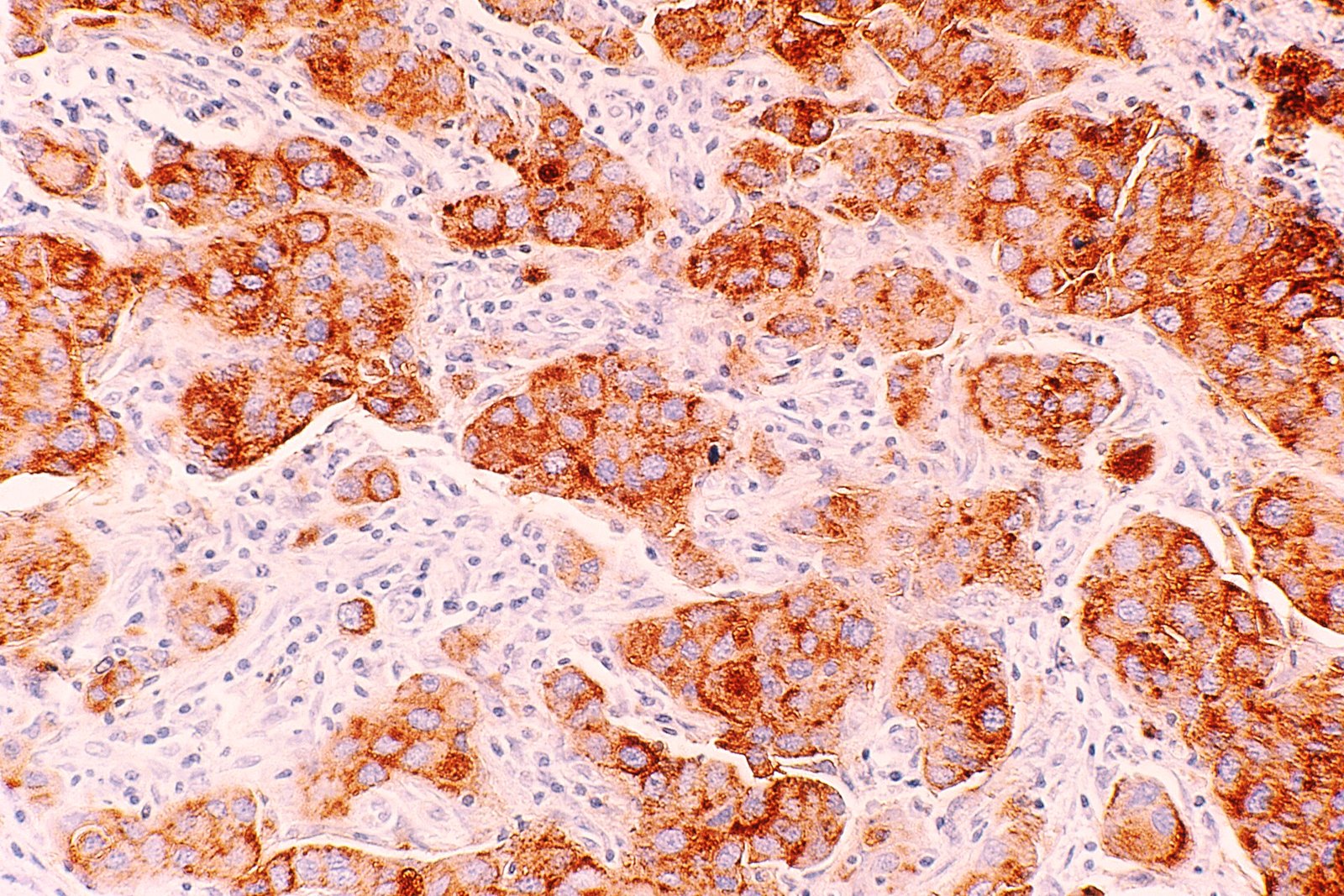
Is chemotherapy needed in hormone receptor-positive breast cancer, what do genomic assays decide, and how long does endocrine therapy last?
Read the Article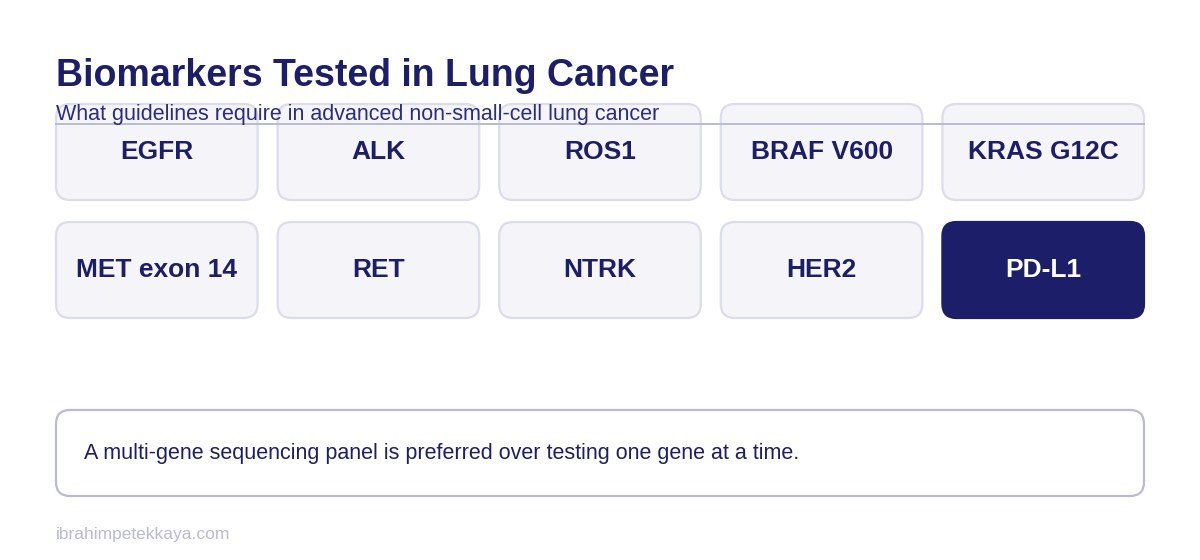 Cancer Types
Which genes biomarker testing in lung cancer covers, when it is requested, and whether tissue or blood should be used. Guideline-based answers.
Read the Article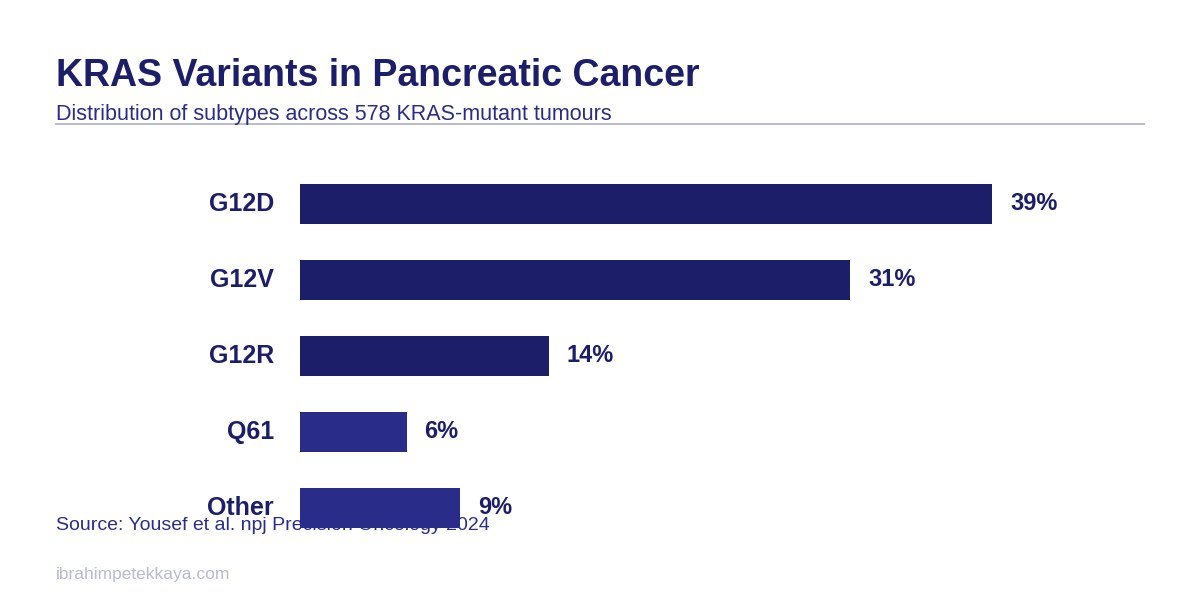 Cancer Types
Why KRAS in pancreatic cancer is so common, what the variants change, and where the new drugs stand. The role of genomic profiling explained.
Read the Article Cancer Types
How cancer of unknown primary is diagnosed, which tests are used and what molecular profiling changes, with the randomised evidence.
Read the Article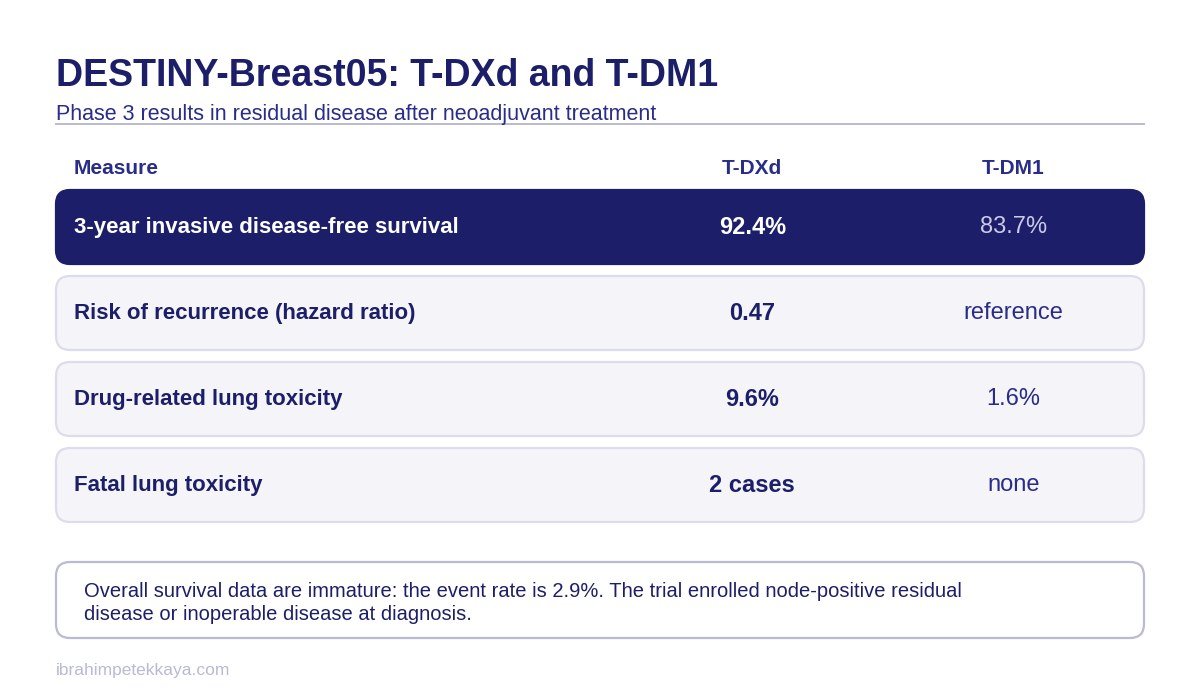 Cancer Types
Trastuzumab deruxtecan has replaced T-DM1 when tumour remains after treatment given before surgery. The DESTINY-Breast05 results and the lung risk.
Read the Article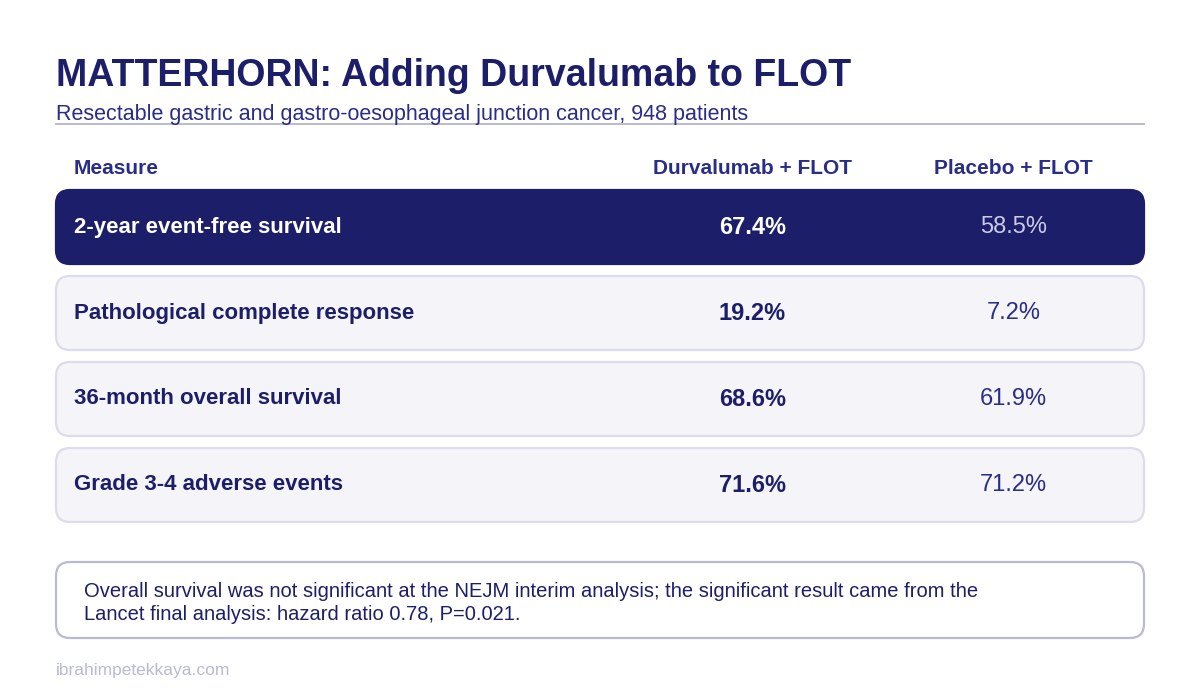 Cancer Types
Immunotherapy in stomach cancer is no longer confined to metastatic disease. MATTERHORN measured what adding durvalumab to the FLOT regimen achieves.
Read the Article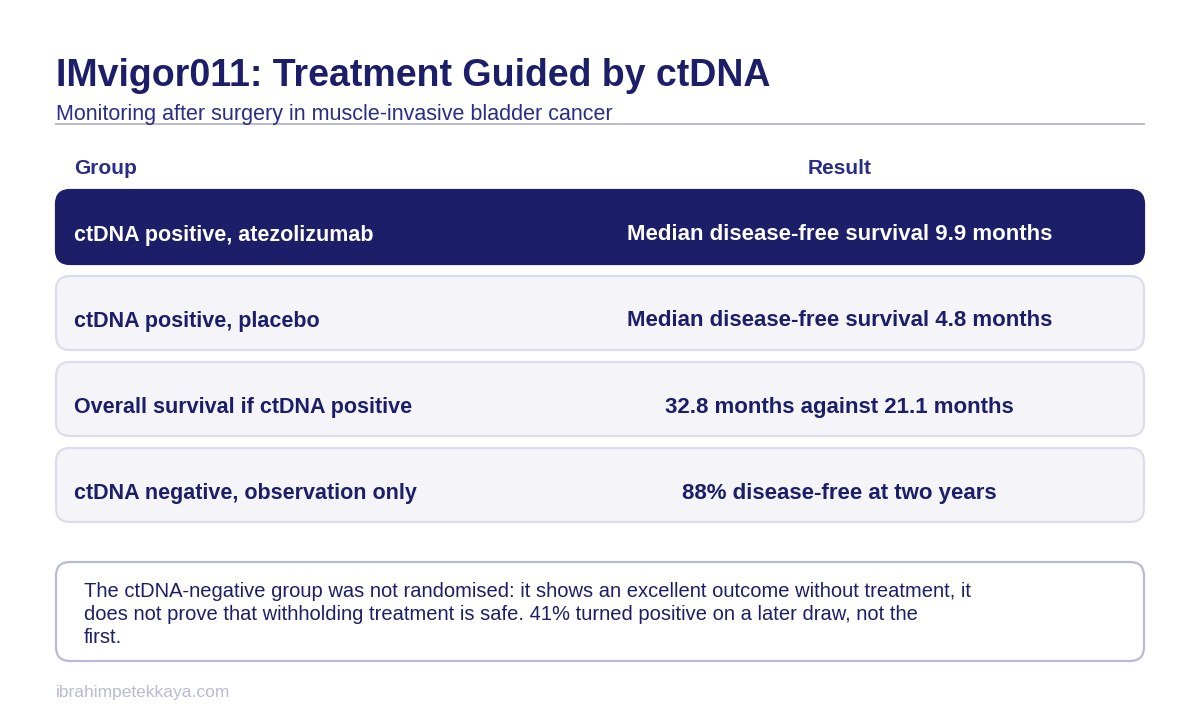 Cancer Types
In muscle-invasive bladder cancer, atezolizumab extended disease-free and overall survival in patients who turned ctDNA-positive after surgery.
Read the ArticleOther Headings: Diagnosis and Treatment · Genetic and Molecular Oncology · Life and Support · Oncology News · All Articles