
Gynaecological Cancer Types
Gynaecological cancers fall into five groups by organ of origin, each with its own symptoms, screening options and treatment. According to IARC GLOBOCAN 2022, about 660,000 cervical, 420,000 endometrial and 324,000 ovarian cancers are diagnosed worldwide each year; vulval and vaginal cancers are rare.
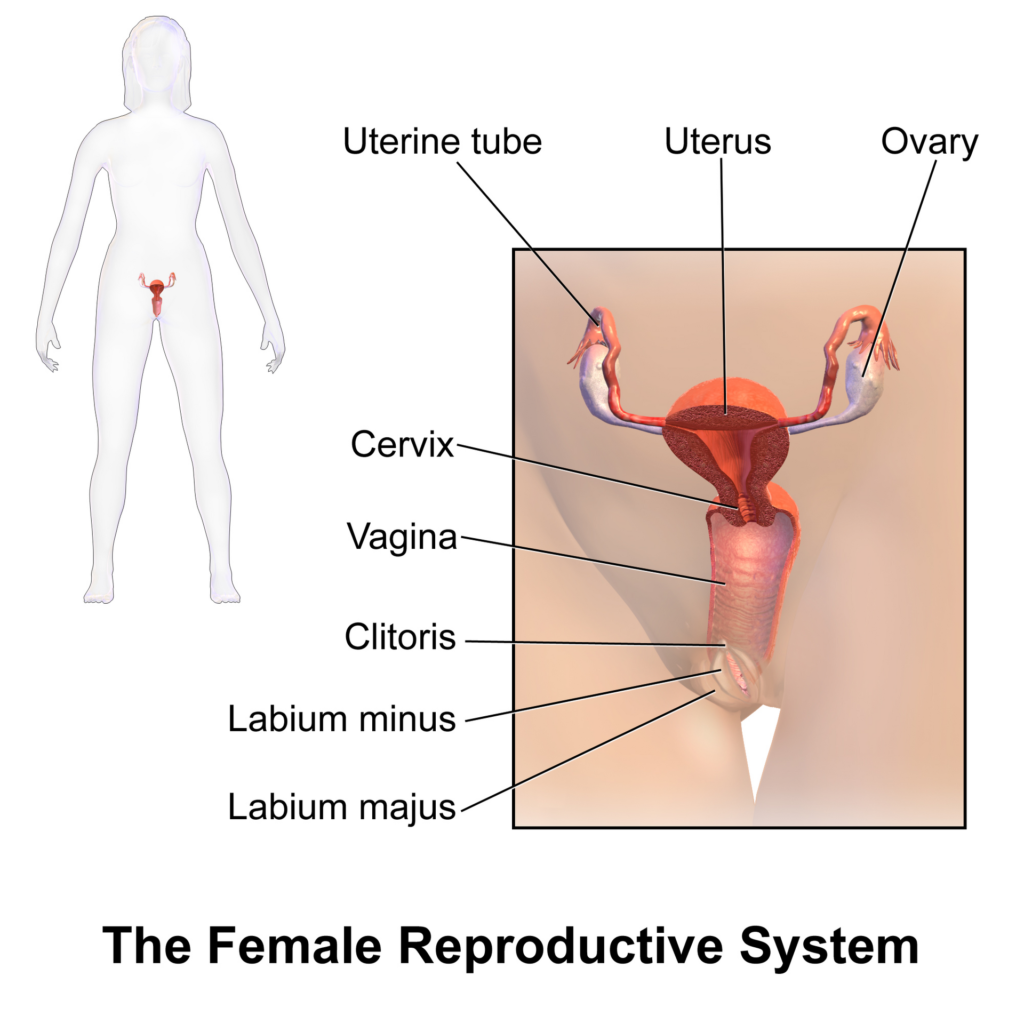
| Organ | Common symptom | Key feature | Page |
|---|---|---|---|
| Ovary, fallopian tube and peritoneum | Bloating, feeling full quickly, pelvic pain | Most are diagnosed at an advanced stage; PARP inhibitor maintenance guided by BRCA and HRD testing | Ovarian cancer treatment |
| Cervix | Bleeding after intercourse or between periods, discharge | Caused by HPV and preventable by screening; chemoradiotherapy for locally advanced disease | Cervical cancer treatment |
| Body of the uterus (endometrium) | Bleeding after the menopause | The most common gynaecological cancer in high-income countries; molecular classification and immunotherapy | This page |
| Vulva | Itching, an ulcer or a lump | Rare, mainly in older women; surgery and radiotherapy are the main treatments | This page |
| Vagina | Bleeding, discharge | Very rare; mostly HPV-related, treated mainly with radiotherapy | This page |
Gynaecological Oncologist and Medical Oncologist Roles
In gynaecological cancers, surgery and surgical staging are carried out by a gynaecological oncology surgeon, radiotherapy by a radiation oncologist and drug treatment by a medical oncologist; decisions are taken at a tumour board that also includes pathology and radiology. Most patients first see a gynaecologist because of bleeding or a mass; the surgeon plans the operation and, once the pathology result is available, the medical oncologist assesses whether systemic treatment is needed.
In ovarian cancer this collaboration is closest: how much tumour the surgeon can remove and whether the medical oncologist gives chemotherapy before or after the operation are decided as one tumour board decision. In cervical cancer, early disease belongs to the surgeon and locally advanced disease to the radiation and medical oncologists together. International patients are asked to send the gynaecologist's operation note, the full pathology report and imaging. The choice of treatment is made by the physician on the basis of stage, pathology and molecular findings.
Important: The information on this page describes general principles and does not replace a consultation or an individual treatment plan. For patients of childbearing age, egg or embryo freezing and ovarian protection are discussed with a reproductive medicine team before treatment begins; a short delay to arrange this is usually possible.
Systemic Treatment Options
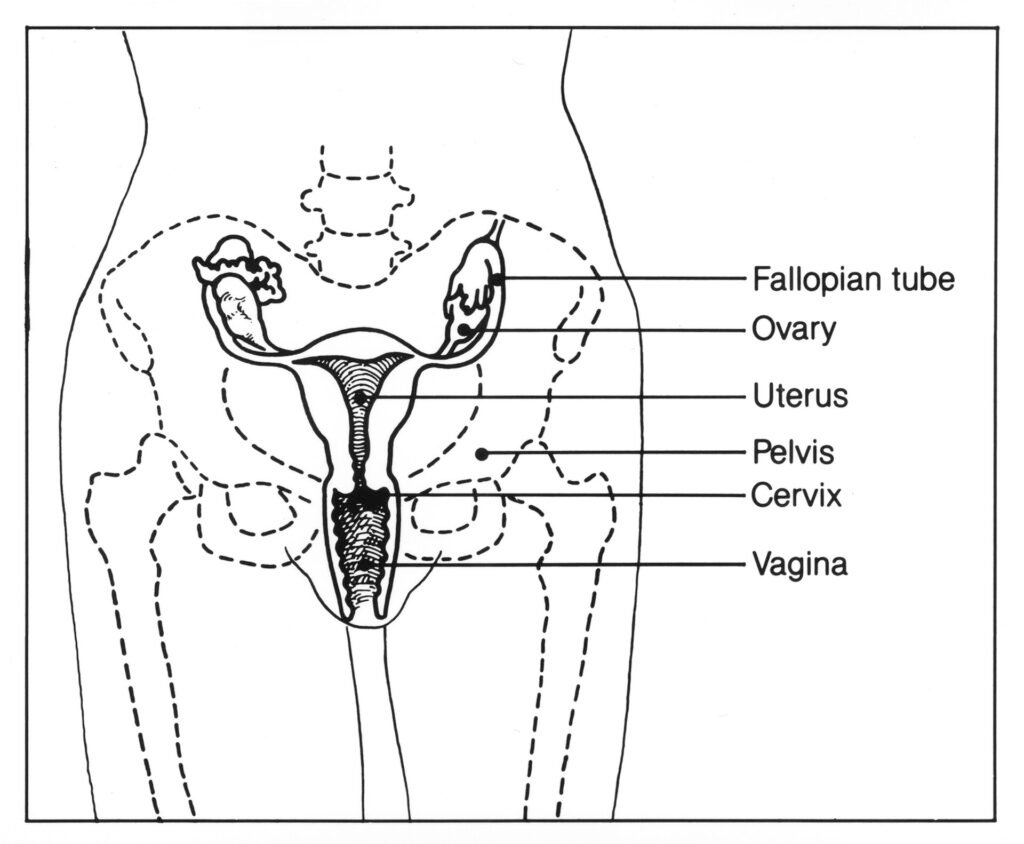
Systemic treatment uses drugs that travel through the bloodstream to the whole body. Five classes are used in gynaecological cancers, as defined in the ESMO and NCCN guidelines.
- Chemotherapy
- Carboplatin with paclitaxel is the main chemotherapy in ovarian and endometrial cancer; in cervical cancer, cisplatin is given concurrently with radiotherapy and with paclitaxel in metastatic disease. General principles are explained on the chemotherapy page.
- PARP inhibitors
- Olaparib and niraparib are maintenance treatments after chemotherapy in ovarian cancer; the benefit is greatest with a BRCA mutation or HRD positivity.
- Immunotherapy
- Pembrolizumab and dostarlimab have entered the guidelines in endometrial and cervical cancer alongside chemotherapy. General principles are explained on the immunotherapy page.
- Targeted therapy
- Bevacizumab is used in ovarian and cervical cancer, lenvatinib with pembrolizumab in endometrial cancer and trastuzumab in HER2-positive serous endometrial cancer; details are on the targeted therapy page.
- Hormonal therapy
- Progestogens and aromatase inhibitors are oral options for hormone receptor-positive, low-grade endometrial cancer and low-grade serous ovarian cancer that are growing slowly.
Most of these drugs are taken by mouth or given every three to six weeks, so a course started in Izmir can often be continued by the home oncologist with a written plan. Licensing and reimbursement status differ from drug to drug and are discussed at the consultation.
Genetic and Molecular Tests: BRCA, HRD, MSI and HPV
Four tests directly change treatment in gynaecological cancers. Germline BRCA1 and BRCA2 testing is requested at diagnosis in every ovarian cancer, and HRD testing on the tumour guides the PARP inhibitor decision. In endometrial cancer, every tumour is tested for mismatch repair (MMR) proteins; a deficiency (dMMR) indicates benefit from immunotherapy and triggers screening for Lynch syndrome. In cervical cancer, HPV testing is the screening tool, and PD-L1 testing in metastatic disease guides the immunotherapy decision.
Changes in the tumour tissue (somatic) are investigated by comprehensive genomic profiling (a broad tumour genetic test), and inherited changes (germline) by a blood test; their processes are described on the comprehensive genomic profiling and hereditary cancer risk assessment pages. Both can be performed on samples sent from abroad. When an inherited mutation is found, relatives are offered cascade testing. A test result does not always change treatment, but in ovarian and endometrial cancer a systemic plan is not complete until these tests have been done.
Current Approach in Endometrial Cancer
Endometrial cancer arises from the inner lining of the uterus; obesity, diabetes, unopposed oestrogen exposure and Lynch syndrome are risk factors, and about 75 per cent of cases are diagnosed at an early stage because of postmenopausal bleeding. The main treatment is removal of the uterus and ovaries. The decision on additional treatment after surgery now rests on the four-group molecular classification adopted by the ESGO/ESTRO/ESP 2021 and ESMO 2022 guidelines: POLE-mutant (very favourable, additional treatment rarely needed), dMMR (sensitive to immunotherapy), p53-abnormal (high risk, chemotherapy needed) and tumours with no specific molecular profile (NSMP).
Two phase 3 trials published in 2023 changed the treatment of advanced or recurrent endometrial cancer: adding dostarlimab (RUBY) or pembrolizumab (NRG-GY018) to carboplatin and paclitaxel delayed progression, with a marked survival benefit in dMMR tumours; the immunotherapy continues as maintenance for up to three years. In pMMR tumours that progress after chemotherapy, lenvatinib with pembrolizumab is used, and trastuzumab in HER2-positive serous tumours. Low-grade, hormone receptor-positive disease is treated with oral hormonal therapy.
Vulval cancer is treated with surgery and, where needed, radiotherapy; concurrent cisplatin is used in locally advanced disease and pembrolizumab in recurrent PD-L1-positive disease. Vaginal cancer is very rare and is mostly treated with chemoradiotherapy on the principles used for cervical cancer. In these rare tumours, tumour board discussion is essential; other cancer types are listed on the cancer types page.
Frequently Asked Questions
What is the difference between a gynaecological oncologist and a medical oncologist?
A gynaecological oncologist is a surgeon who has trained in obstetrics and gynaecology and then in gynaecological oncology surgery; they perform the operation and surgical staging in ovarian, uterine, cervical and vulval cancer. A medical oncologist has trained in internal medicine and then in medical oncology; they plan chemotherapy, targeted therapy, immunotherapy and hormonal therapy and manage their side effects. The two specialties are complementary and work together at the tumour board; patients usually see the surgeon first and the medical oncologist when drug treatment is needed.
Is endometrial cancer covered on this page?
Yes. Endometrial (uterine body) cancer is described in its own section on this page and does not yet have a separate page. It is the most common gynaecological cancer in high-income countries, is usually diagnosed at an early stage because of postmenopausal bleeding and is treated with surgery. The medical oncologist plans chemotherapy after surgery in high-risk early disease, chemotherapy with immunotherapy in advanced or recurrent disease, and treatment according to the molecular classification. Vulval and vaginal cancers are also covered briefly here.
Does the HPV vaccine prevent cancer?
Yes. The HPV vaccine protects against the high-risk HPV types that cause cervical cancer, especially types 16 and 18, and largely prevents cervical cancer when given before exposure to the virus. WHO recommends vaccination between the ages of 9 and 14; the vaccine also reduces the HPV-related share of vulval, vaginal, anal and throat cancers. It does not treat an existing infection or cancer and does not remove the need for screening; vaccinated women still take part in HPV screening from the age of 30.
Which cancers need BRCA testing?
BRCA1 and BRCA2 testing looks for hereditary breast and ovarian cancer syndrome. Guidelines recommend it at diagnosis in every epithelial ovarian, fallopian tube and peritoneal cancer; in breast cancer when diagnosed young, triple-negative, in a man or clustered in the family; and in metastatic pancreatic and prostate cancer to guide treatment. In ovarian cancer the result determines PARP inhibitor maintenance. The test uses a blood sample; if a mutation is found, relatives are offered cascade testing, and separate written consent is required for genetic data.
Where is immunotherapy used in gynaecological cancers?
Immunotherapy with PD-1 inhibitors has entered the guidelines in two main areas. In endometrial cancer, pembrolizumab or dostarlimab is added to chemotherapy in advanced or recurrent disease, with the greatest benefit in mismatch repair-deficient (dMMR) tumours; lenvatinib with pembrolizumab is used second line in pMMR tumours. In cervical cancer, pembrolizumab is added to chemoradiotherapy in high-risk locally advanced disease and to chemotherapy in metastatic PD-L1-positive disease. Immunotherapy has no place in standard ovarian cancer treatment and is an option in vulval cancer only in recurrent PD-L1-positive disease.
Can immunotherapy for endometrial cancer be continued in my home country?
Usually yes. Pembrolizumab and dostarlimab are given every three weeks during chemotherapy and then every six weeks as maintenance, so the initial cycles can be given in Izmir and the maintenance phase continued by the home oncologist. A written plan stating the drug, dose, schedule, the MMR result and the monitoring required for immune-related side effects (thyroid, liver, blood sugar) is prepared for the home team. Whether the drug is licensed and reimbursed for this indication in your country is confirmed with the home oncologist before the handover.
Related Pages
Ovarian Cancer Treatment
Open the Page
Cervical Cancer Treatment
Open the Page
Chemotherapy
Open the Page
Immunotherapy
Open the Page
Hereditary Cancer Risk Assessment
Open the Page
Comprehensive Genomic Profiling
Open the Page
Cancer Types
Open the Page
International Patients
Open the PageSources and Guidelines
- European Society for Medical Oncology. ESMO Clinical Practice Guidelines: gynaecological cancers. Link
- Oaknin A et al. Endometrial cancer: ESMO Clinical Practice Guideline for diagnosis, treatment and follow-up. Ann Oncol 2022;33(9):860-877. Link
- González-Martín A et al. Newly diagnosed and relapsed epithelial ovarian cancer: ESMO Clinical Practice Guideline. Ann Oncol 2023;34(10):833-848. Link
- National Comprehensive Cancer Network. NCCN Clinical Practice Guidelines in Oncology: Uterine Neoplasms. Link
- National Comprehensive Cancer Network. NCCN Clinical Practice Guidelines in Oncology: Vulvar Cancer. Link
- Concin N et al. ESGO/ESTRO/ESP guidelines for the management of patients with endometrial carcinoma. Int J Gynecol Cancer 2021;31(1):12-39. Link
- Mirza MR et al. Dostarlimab for primary advanced or recurrent endometrial cancer (RUBY). N Engl J Med 2023;388:2145-2158. Link
- Eskander RN et al. Pembrolizumab plus chemotherapy in advanced endometrial cancer (NRG-GY018). N Engl J Med 2023;388:2159-2170. Link
- World Health Organization. Cervical cancer fact sheet and HPV vaccination recommendations. Link
- Cancer Research UK. Womb cancer: symptoms, diagnosis and treatment. Link
- International Agency for Research on Cancer (WHO). GLOBOCAN 2022, Global Cancer Observatory. Link
- Turkish Society of Medical Oncology. Guidelines and patient information resources. Link