
Symptoms and Risk Factors
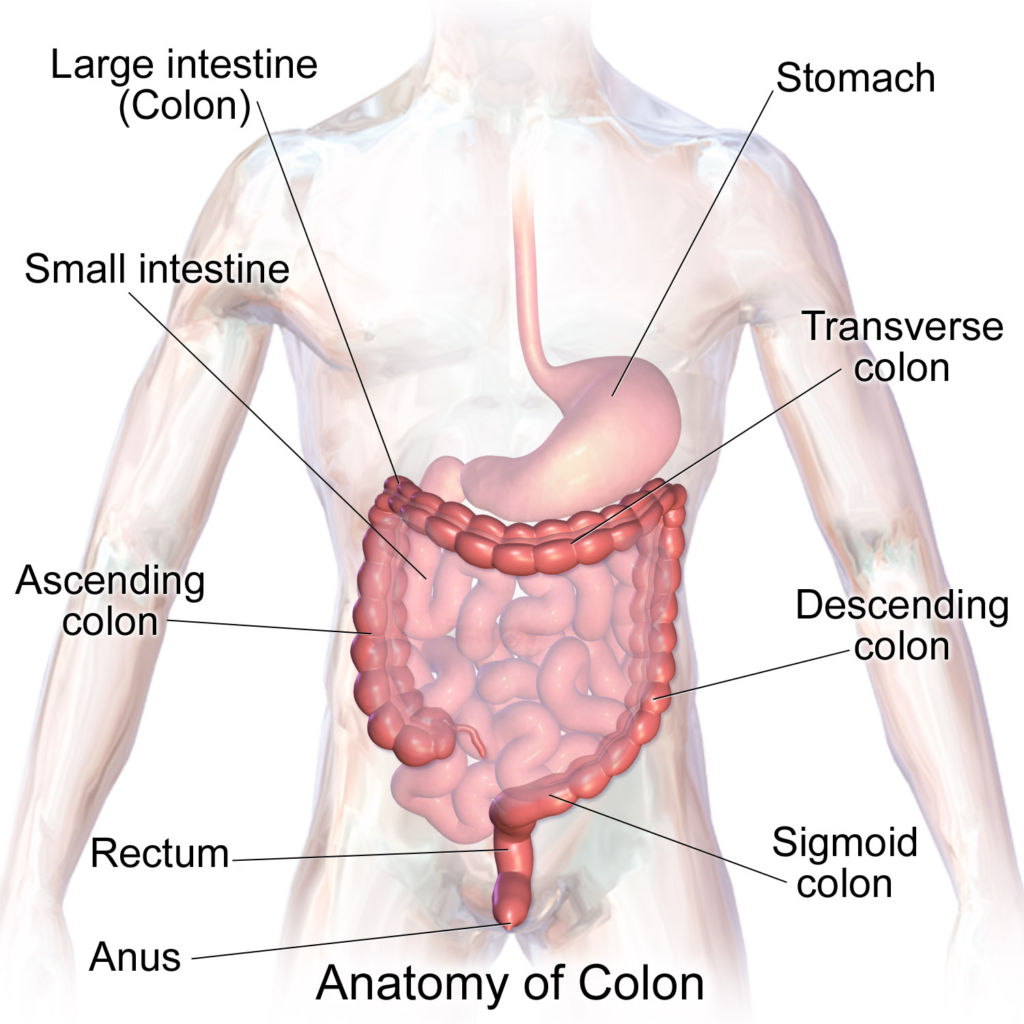
The most common symptoms of colorectal cancer are blood in the stool, a change in bowel habit that lasts more than a few weeks (diarrhoea, constipation or narrower stools), abdominal pain and iron deficiency anaemia with no obvious cause. Tiredness, weight loss and bloating can also occur. Tumours on the right side of the colon often cause only anaemia for a long time, while tumours in the left colon and rectum tend to cause bleeding and a change in bowel habit. Many early tumours cause no symptoms at all and are found during screening colonoscopy.
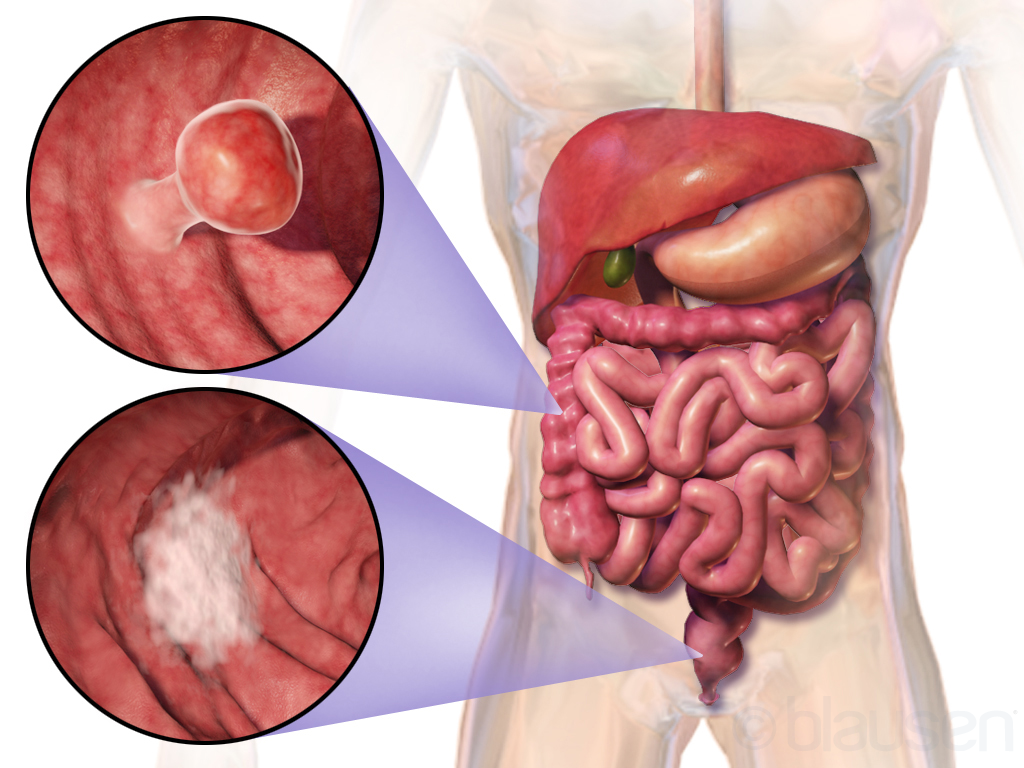
Colorectal cancer is the third most common cancer worldwide, with about 1.9 million new cases a year according to IARC GLOBOCAN 2022. Most cases occur after the age of 50, although the share of people diagnosed before 50 has been rising in many countries. In Türkiye the disease is among the five most common cancers in both men and women, and a national screening programme uses a faecal occult blood test every two years and colonoscopy every 10 years between the ages of 50 and 70.
Modifiable risk factors are obesity, physical inactivity, a diet high in processed and red meat, smoking and alcohol. Long-standing inflammatory bowel disease (ulcerative colitis, Crohn's disease) raises the risk. A family history of colorectal cancer, Lynch syndrome or familial adenomatous polyposis is a marker of inherited risk. Anyone with blood in the stool or unexplained anaemia should see a doctor whatever their age; a normal screening result a few years earlier does not rule out the diagnosis.
Aspirin in Colorectal Cancer
A short film on where aspirin fits for patients whose tumour has been removed and who carry a change in the PI3K pathway.
Staging
Colorectal cancer is diagnosed by pathological examination of a biopsy taken at colonoscopy. Staging uses CT of the chest, abdomen and pelvis, the blood marker CEA (carcinoembryonic antigen) and, for rectal tumours, pelvic MRI. The stage follows the TNM system, which combines the depth of the tumour in the bowel wall (T), lymph node involvement (N) and distant metastasis (M). For patients who have surgery, the definitive stage comes from the pathology report of the removed bowel, so decisions about treatment after surgery wait for that report.
| Stage | Definition | Usual approach |
|---|---|---|
| Stage 0 and 1 | Tumour limited to the inner lining or muscle layer; no lymph node involvement | Endoscopic removal or surgery; no further treatment |
| Stage 2 | Tumour has grown through the bowel wall; no lymph node involvement | Surgery; adjuvant chemotherapy considered only with high-risk features (T4, perforation, too few nodes examined) and a microsatellite-stable tumour |
| Stage 3 | Regional lymph nodes involved; no distant spread | Surgery followed by three or six months of oxaliplatin-based adjuvant chemotherapy |
| Stage 4 | Metastasis (spread) to the liver, lungs, peritoneum or distant lymph nodes | Chemotherapy with targeted therapy or immunotherapy according to biomarkers; surgery or ablation added for limited metastases |
Rectal cancer uses the same drugs as colon cancer, but in stage 2 and 3 disease radiotherapy or chemoradiotherapy is given before surgery. In recent years the whole drug treatment has increasingly been moved before the operation, an approach called total neoadjuvant therapy. In selected patients with a complete response, surgery may be deferred in favour of close surveillance; this watch-and-wait strategy is offered only in experienced centres and decided together with the patient. The other cancers of the digestive tract are described on the gastrointestinal cancers page.
Assessment from Abroad
Patients living outside Türkiye can have their colonoscopy, pathology and CT reports reviewed before travelling. Reports in English are preferred; imaging should be sent in DICOM format together with the written report. The review indicates whether the biomarker panel is complete, whether the stage is clear and what the treatment options are likely to be, and it is followed by an in-person consultation. The steps are described on the treatment pathway page.

Is Chemotherapy Always Needed After Surgery
In stage two and three disease the key question is whether traces of the tumour remain. The video explains how ctDNA in blood is used to look for minimal residual disease.
Who Needs Chemotherapy After Surgery
Adjuvant chemotherapy, meaning chemotherapy given after surgery, is standard for stage 3 colon cancer. Its purpose is to destroy microscopic tumour cells that may remain in the body and so reduce the risk of the cancer coming back. According to ESMO and NCCN guidelines, treatment starts within six to eight weeks of the operation and consists of oxaliplatin with capecitabine (CAPOX) or oxaliplatin with 5-fluorouracil and folinic acid (FOLFOX). The general principles of chemotherapy are explained on a separate page.
The length of treatment depends on the risk group, as shown by the IDEA collaboration. In low-risk stage 3 disease (T1 to T3 with no more than three involved nodes), three months of CAPOX gives protection close to that of six months while markedly reducing the risk of lasting nerve damage; in high-risk stage 3 disease (T4 or four or more involved nodes), six months is preferred. In stage 2 disease, chemotherapy is considered only when high-risk features are present and the tumour is microsatellite-stable. MSI-high stage 2 tumours do not benefit from single-agent fluoropyrimidine chemotherapy, so it is not given. Treatment is selected by the treating oncologist on the basis of stage, pathology and molecular findings.
The most frequent side effect of oxaliplatin is numbness and tingling in the hands and feet that is made worse by cold (peripheral neuropathy). It builds up with each cycle; in most people it improves over the months after treatment, but a mild degree can be permanent. When neuropathy reaches a moderate level, oxaliplatin is stopped early and the course is completed with the fluoropyrimidine alone, which preserves most of the protective effect. Measuring circulating tumour DNA (ctDNA) in the blood after surgery to detect residual disease can guide the chemotherapy decision in stage 2 colon cancer, as the DYNAMIC trial showed; as of 21 September 2026 this test is not yet a routine standard and is considered case by case.
Splitting Treatment Between Izmir and Home
Adjuvant chemotherapy is given in cycles every two or three weeks, and some international patients ask whether the course can begin in Izmir and continue with their oncologist at home. This is possible in principle when the home team agrees to continue the same regimen and the two teams share the treatment record. The plan, the doses given and the side effects observed are documented in English so that continuity is not lost; the decision is made with both teams before the first cycle.
Does a High Fibre Diet Lower the Risk
Gut health is tied to immunity, inflammation balance and cellular renewal; the video explains how fibre intake relates to risk.
Treatment of Metastatic Disease
Treatment of metastatic colorectal cancer combines a chemotherapy backbone with a targeted drug chosen according to biomarker results and the side of the colon where the tumour started. The ESMO guideline for metastatic colorectal cancer and its published updates ask for RAS, BRAF V600E, MMR/MSI and HER2 results before first-line treatment begins, and for those results to be available as early as possible after diagnosis. In widespread disease the aim is to keep the cancer under control for as long as possible; in limited disease, surgery or ablation may create a chance of long-term control.
- FOLFOX
- 5-fluorouracil, folinic acid and oxaliplatin, given intravenously every two weeks with a 46-hour infusion completed at home through a portable pump. CAPOX, which replaces the infusion with capecitabine tablets, is an equivalent option. It is the most widely used first-line backbone.
- FOLFIRI
- 5-fluorouracil, folinic acid and irinotecan. It is as effective as FOLFOX but has a different side-effect profile, with more diarrhoea and hair loss and no nerve damage. It is used instead of FOLFOX in first line or after it in second line. The three-drug regimen FOLFOXIRI is chosen for fit patients when rapid tumour shrinkage is needed.
- Anti-EGFR antibodies (cetuximab, panitumumab)
- These block the EGFR protein on the tumour cell surface and are added to chemotherapy only when the tumour has no RAS or BRAF mutation and started in the left colon or rectum. The PARADIGM trial showed that this choice gives different results for right-sided and left-sided tumours. The most common side effect is an acne-like rash.
- Anti-VEGF antibody (bevacizumab)
- This blocks the growth of new blood vessels that feed the tumour. It is added to first-line chemotherapy when the tumour carries a RAS mutation, is right-sided or is otherwise unsuitable for anti-EGFR therapy. It can raise blood pressure, cause protein in the urine and delay wound healing, so it is stopped at least six weeks before any operation.
In later lines, trifluridine-tipiracil with bevacizumab, regorafenib and, for HER2-positive tumours, trastuzumab-based targeted therapy are used. For patients with a BRAF V600E mutation, the BREAKWATER trial established encorafenib with cetuximab and FOLFOX as a first-line standard. When metastases are confined to the liver, surgery or ablation is planned once the drugs have shrunk the disease; this decision is taken in a multidisciplinary meeting with the liver surgeon and interventional radiologist. The principles of targeted therapy are explained on a separate page. FOLFOXIRI, encorafenib and the antibodies listed here are in clinical use in Türkiye; the licensing and access status of each drug is discussed at the consultation as it stands on 21 September 2026.
Important: The information on this page describes general principles. It does not replace a consultation or an individual treatment plan. Licensing and access to specific drugs differ between countries and are discussed at the consultation.
The Aspirin Study in Colorectal Cancer
The finding from the study in patients whose tumour was resected and who had a PI3K pathway change, and who it applies to.
Immunotherapy in MSI-high Disease
Immunotherapy is the standard first-line treatment for metastatic colorectal cancer that is MSI-high (microsatellite instability-high) or MMR-deficient (lacking the mismatch repair proteins). These tumours cannot correct DNA copying errors, so they accumulate a very large number of mutations and are easily recognised by the immune system. About 4 to 5 per cent of metastatic colorectal cancers and about 15 per cent of early-stage tumours are MSI-high.
In the KEYNOTE-177 trial, pembrolizumab alone delayed disease progression compared with chemotherapy and caused fewer side effects. In the CheckMate 8HW trial, nivolumab with ipilimumab gave longer disease control than both chemotherapy and nivolumab alone. Immunotherapy is usually continued for up to two years, and in patients who respond the effect can persist after treatment stops. Immune-related side effects (thyroid dysfunction, colitis, rash, raised liver enzymes) are monitored at every visit. The general principles are explained on the immunotherapy page. Pembrolizumab, nivolumab and ipilimumab are available in Türkiye, and an MSI-high result can be confirmed on existing biopsy blocks or slides brought from abroad.
In MSI-high rectal cancer, six months of dostarlimab before surgery produced complete responses in a small study; this approach is used in selected patients in centres with experience of it. Immunotherapy alone is not effective in microsatellite-stable colorectal cancer, and for these patients it is a matter for clinical trials only.
Genomic Assessment
Four biomarkers are mandatory at diagnosis of colorectal cancer: MMR/MSI, RAS (KRAS and NRAS), BRAF V600E and HER2. They describe changes in the tumour tissue (somatic changes) and directly determine drug selection in metastatic disease. Comprehensive genomic profiling (a broad tumour genetic test) screens these four plus rarer targets such as NTRK fusions, KRAS G12C and POLE mutations in a single run; the process is described on the comprehensive genomic profiling page. Testing can be done on tumour blocks or unstained slides sent from another country, and results are usually available within 10 to 14 working days.
| Biomarker | Frequency | Effect on treatment |
|---|---|---|
| RAS mutation (KRAS, NRAS) | About 50 per cent | No anti-EGFR therapy; bevacizumab preferred. For KRAS G12C, sotorasib or adagrasib with panitumumab after first line |
| BRAF V600E mutation | 8 to 10 per cent | Encorafenib with cetuximab; first-line triplet with FOLFOX (BREAKWATER) |
| MSI-high / MMR-deficient | 4 to 5 per cent (metastatic) | First-line immunotherapy; germline testing for Lynch syndrome |
| HER2 amplification | 3 to 5 per cent (more common in RAS wild-type tumours) | Trastuzumab with tucatinib or trastuzumab deruxtecan; weak response to anti-EGFR therapy |
| Right-sided versus left-sided primary | Right-sided about one third | Anti-EGFR therapy not recommended first line for right-sided tumours; bevacizumab preferred |
Lynch syndrome is an inherited condition responsible for about 3 per cent of colorectal cancers and is caused by a germline (inherited) mutation in one of the MMR genes. A germline blood test is offered to patients whose tumour shows MMR loss, who were diagnosed under the age of 50, or whose family shows a cluster of colorectal, endometrial, stomach or ovarian cancers; the result guides screening for relatives. This assessment is described on the hereditary cancer risk assessment page. A test result does not always change treatment, but in metastatic disease neither anti-EGFR therapy nor immunotherapy is started before the panel result is known. Unusual or conflicting results are discussed at the molecular tumour board.
Frequently Asked Questions
How is stage 3 colon cancer treated?
Stage 3 colon cancer has reached the nearby lymph nodes but not distant organs. Treatment is surgery followed by adjuvant chemotherapy, usually oxaliplatin with capecitabine (CAPOX) or with 5-fluorouracil (FOLFOX), for three or six months. Chemotherapy starts within six to eight weeks of the operation. If the tumour is MSI-high and node involvement is limited, the plan is reviewed individually. The final choice depends on stage, pathology and molecular findings and is made by the treating oncologist.
How long is adjuvant chemotherapy?
Adjuvant chemotherapy for stage 3 colon cancer lasts three or six months. In the IDEA analysis, three months of CAPOX gave protection close to six months in low-risk stage 3 disease (T1 to T3 with no more than three involved nodes) and caused less lasting numbness. Six months is preferred for high-risk stage 3 disease (T4 or four or more nodes). In high-risk stage 2 disease, three to six months of single-agent or doublet treatment is usual. Duration is adjusted to side effects and varies from person to person.
How does a KRAS mutation affect treatment?
A KRAS mutation means that anti-EGFR antibodies (cetuximab, panitumumab) will not work in metastatic colorectal cancer, so they are not given; bevacizumab is added to chemotherapy instead. About half of metastatic cases carry a RAS mutation. For the KRAS G12C subtype, sotorasib or adagrasib combined with panitumumab is an option after first-line treatment. A KRAS result does not change the decision about adjuvant chemotherapy. The test is done on tumour tissue before treatment starts.
Can liver metastases be treated?
Yes. Liver metastases from colorectal cancer are treated, and when they are few in number the aim can be long-term control. Resectable liver-only metastases are removed surgically or destroyed by ablation, combined with chemotherapy. Metastases that cannot be removed at first are shrunk with chemotherapy and targeted therapy and then reassessed; this decision is taken jointly by the surgeon, interventional radiologist and medical oncologist. In widespread metastatic disease the aim is to keep the disease under control for as long as possible, and the outcome varies from person to person.
Who should be tested for Lynch syndrome?
Screening for Lynch syndrome starts with MMR or MSI testing of the tumour in every newly diagnosed colorectal cancer, regardless of age, as ESMO and NCCN recommend. If the tumour shows MMR loss that is not explained by a BRAF V600E mutation or MLH1 promoter methylation, a germline blood test follows. Testing is also advised for people diagnosed under 50, those with more than one Lynch-related cancer, and those with first-degree relatives who had colorectal, endometrial, stomach or ovarian cancer. A positive result guides screening for family members.
How often is colonoscopy repeated?
After surgery for colorectal cancer, the first colonoscopy is done within one year. If it is normal, the next is after three years and then every five years. Alongside colonoscopy, CEA blood tests are checked every three to six months and CT scans every six to 12 months for the first three years. People with Lynch syndrome have colonoscopy every one to two years. The schedule follows ESMO and NCCN advice and is adapted to each person.
Related Pages
Gastrointestinal Cancers
Open the Page
Chemotherapy
Open the Page
Targeted Therapy
Open the Page
Immunotherapy
Open the Page
Comprehensive Genomic Profiling
Open the Page
Hereditary Cancer Risk Assessment
Open the Page
Molecular Tumour Board
Open the Page
International Patients
Open the PageSources and Guidelines
- Cervantes A et al. Metastatic colorectal cancer: ESMO Clinical Practice Guideline for diagnosis, treatment and follow-up. Ann Oncol 2023;34(1):10-32. Link
- Argilés G et al. Localised colon cancer: ESMO Clinical Practice Guidelines for diagnosis, treatment and follow-up. Ann Oncol 2020;31(10):1291-1305. Link
- European Society for Medical Oncology. Gastrointestinal cancers guidelines. Link
- National Comprehensive Cancer Network. NCCN Clinical Practice Guidelines in Oncology: Colon Cancer. Link
- Grothey A et al. Duration of adjuvant chemotherapy for stage III colon cancer (IDEA). N Engl J Med 2018;378:1177-1188. Link
- André T et al. Pembrolizumab in microsatellite-instability-high advanced colorectal cancer (KEYNOTE-177). N Engl J Med 2020;383:2207-2218. Link
- André T et al. Nivolumab plus ipilimumab in microsatellite-instability-high metastatic colorectal cancer (CheckMate 8HW). N Engl J Med 2024;391:2014-2026. Link
- Watanabe J et al. Panitumumab vs bevacizumab added to standard first-line chemotherapy and overall survival among patients with RAS wild-type, left-sided metastatic colorectal cancer (PARADIGM). JAMA 2023;329(15):1271-1282. Link
- Tie J et al. Circulating tumor DNA analysis guiding adjuvant therapy in stage II colon cancer (DYNAMIC). N Engl J Med 2022;386:2261-2272. Link
- U.S. Food and Drug Administration. Oncology (cancer) / hematologic malignancies approval notifications (encorafenib, BREAKWATER). Link
- International Agency for Research on Cancer (WHO). GLOBOCAN 2022, Global Cancer Observatory. Link
- Cancer Research UK. Bowel cancer: symptoms, stages and treatment. Link
- Republic of Türkiye Ministry of Health, General Directorate of Public Health. Cancer statistics and the colorectal cancer screening programme. Link