
What Glioblastoma Is: WHO 2021 and IDH-wildtype
Glioblastoma is a malignant brain tumour that arises from the glial cells (astrocytes) that support and nourish brain tissue, and it is graded 4, the highest grade, by the World Health Organization. It accounts for about half of all malignant primary brain tumours in adults, occurs in roughly three people per 100,000 each year and is diagnosed at an average age of 64. The tumour sends finger-like extensions into the surrounding brain, so the edge seen on MRI is not the true edge and surgery alone is never enough.
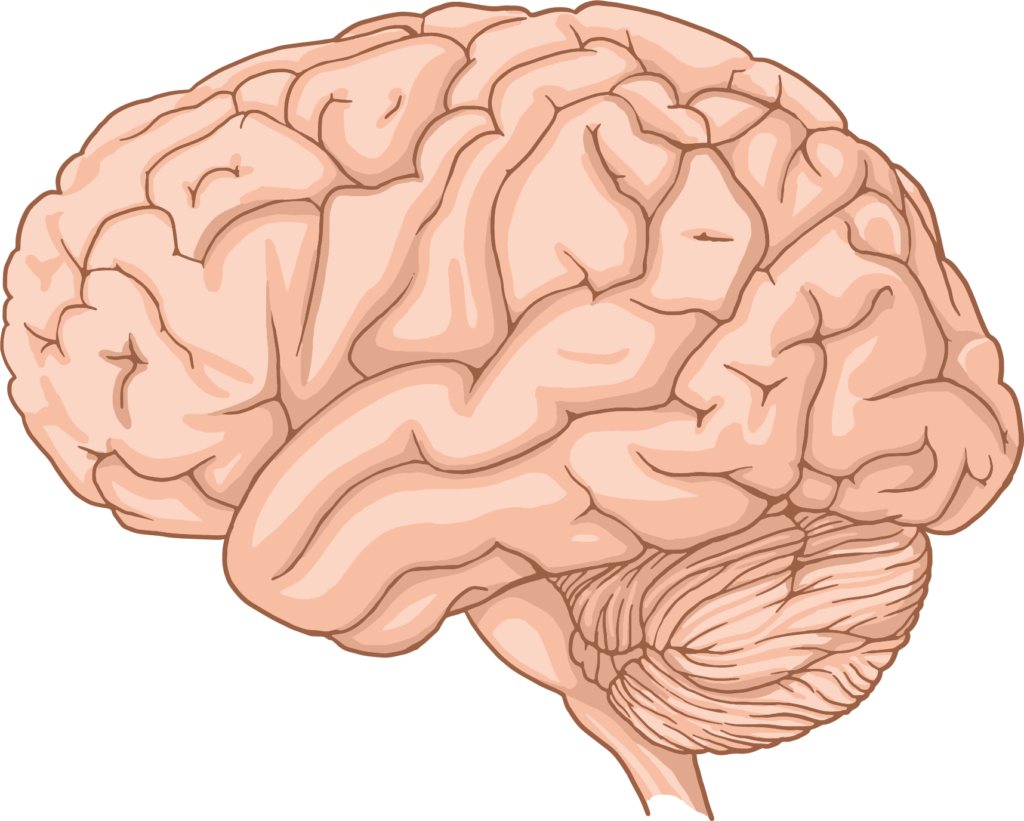
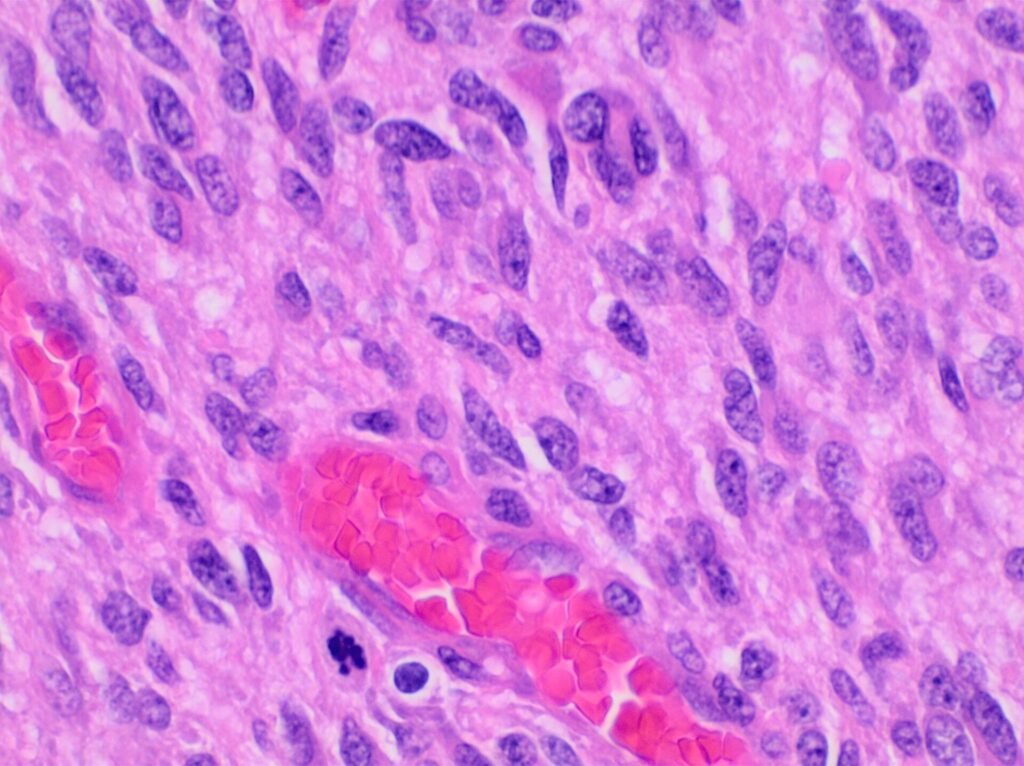
The WHO 2021 classification of central nervous system tumours bases the diagnosis on molecular findings rather than on appearance under the microscope alone. In this classification the name glioblastoma is used only for tumours with a normal IDH gene (IDH-wildtype); grade 4 tumours that carry an IDH mutation are now a separate disease, "astrocytoma, IDH-mutant, grade 4", because they occur in younger patients and progress more slowly. The word "multiforme" has been dropped from the official name, but many reports still use it, so both names appear on this page.
The medical oncologist plans the chemotherapy and manages its side effects; the operation is performed by neurosurgery and the radiotherapy by radiation oncology, and decisions are taken jointly at a neuro-oncology tumour board. International patients are often referred after surgery at home with a question about the drug phase of treatment, which can be planned from the pathology report and the postoperative MRI.
Symptoms and Diagnosis
The symptoms of glioblastoma depend on where the tumour sits and how large it is. A headache that is worse in the morning and steadily increases, a first seizure, weakness of an arm or leg, difficulty speaking or seeing, and changes in memory or personality are the most common complaints, and they usually progress over weeks. Anyone with a first seizure or a worsening neurological symptom should be seen the same day by a neurologist or in an emergency department.
The diagnosis is suspected on a contrast-enhanced brain MRI showing an irregularly enhancing mass with a dead (necrotic) centre; it is confirmed by pathological and molecular examination of tissue removed at surgery or by biopsy. The pathology report states the IDH status, MGMT methylation and, where needed, additional markers such as TERT, EGFR and CDKN2A/B; these molecular findings are required for the diagnosis of IDH-wildtype glioblastoma.
A tumour that crosses the corpus callosum to involve both halves of the brain is called a "butterfly glioma"; extensive surgery is usually not possible and treatment relies on radiotherapy and temozolomide. Patients abroad can send their MRI as DICOM files and their pathology report, including IDH and MGMT results, for a remote review; if the molecular tests were not done, they can be requested on the existing tumour block. The documents needed and the steps involved are described on the international patients page.
Treatment Steps
The standard treatment for glioblastoma is the Stupp protocol published in 2005: the widest safe surgical resection, followed by six weeks of radiotherapy with daily concurrent temozolomide and, after a four-week break, six cycles of maintenance temozolomide. This protocol increased the proportion of patients alive at two years from 10 to 27 per cent compared with radiotherapy alone (Stupp 2005). The outcome varies from person to person with age, extent of surgery, general condition and MGMT status, and questions about life expectancy are discussed in the light of these variables.
| Step | What is done | Duration | Responsible team |
|---|---|---|---|
| 1. Surgery | Removal of as much tumour as is safe while protecting neurological function; awake surgery and fluorescence-guided techniques may be used. Biopsy when removal is not possible | First weeks after diagnosis | Neurosurgery |
| 2. Radiotherapy with concurrent temozolomide | Starting three to five weeks after surgery: 60 Gy in 30 sessions, five days a week, with oral temozolomide 75 mg/m² every day | Six weeks | Radiation oncology and medical oncology |
| 3. Break | Recovery of blood counts; first follow-up MRI | Four weeks | Medical oncology |
| 4. Maintenance temozolomide | 150 to 200 mg/m² on the first five days of each 28-day cycle; blood count before each cycle, MRI every two to three cycles | Six cycles, about six months | Medical oncology |
| 5. Follow-up | Contrast MRI and examination; tumour board review if recurrence is suspected | Every two to three months in the first years | Whole team |
In patients over 70 or in poor general condition, radiotherapy is shortened to 15 sessions (40 Gy over three weeks) and temozolomide is still given concurrently and as maintenance; the Perry 2017 trial showed that this approach prolonged survival in older patients compared with short-course radiotherapy alone. In very frail patients, temozolomide alone is an option when MGMT is methylated and short radiotherapy alone when it is not. The choice of treatment is made by the physician on the basis of stage, pathology and molecular findings.
Important: The information on this page describes general principles and does not replace a consultation or an individual treatment plan. Family members who care for the patient receive written guidance at the first consultation on what to do during a seizure, medication times and when to seek emergency care.
How Temozolomide Is Taken and Its Side Effects
Temozolomide is an oral chemotherapy drug that crosses the blood-brain barrier and kills tumour cells by adding methyl groups to their DNA. The capsules are taken once a day on an empty stomach, preferably in the evening before bed and 30 to 60 minutes after an anti-sickness tablet; they must not be opened or chewed. During radiotherapy the drug is taken every day including weekends; during maintenance it is taken on the first five days of each 28-day cycle. The dose is calculated from body surface area and adjusted to the blood counts.
- Common side effects
- Nausea, loss of appetite, fatigue, constipation and mild thinning of the hair. Anti-sickness medicines such as ondansetron are taken regularly before the drug; fatigue settles after radiotherapy.
- Low blood counts
- Low platelets and low white cells are the most important side effect; a blood count is taken before each cycle and on day 21 of maintenance cycles. A cycle is postponed if the platelet count is below 100,000.
- Low lymphocytes and infection
- Prolonged daily dosing during radiotherapy lowers lymphocytes; guidelines recommend a preventive antibiotic (trimethoprim-sulfamethoxazole) against Pneumocystis pneumonia during this phase. A temperature of 38 °C or above is reported the same day.
- Rare side effects
- Raised liver enzymes, rash and, very rarely, secondary blood disorders. Liver tests are monitored throughout maintenance.
In the first three months of treatment, the MRI often shows the tumour apparently growing (pseudoprogression), especially in patients with MGMT methylation; this appearance is an effect of radiotherapy rather than true progression, and treatment continues unchanged until the next scan. Maintenance temozolomide can be prescribed in Izmir and taken at home: the capsules are dispensed for the cycles covered, the blood count schedule is written down, and results are shared by e-mail with Prof. Dr. H. Ibrahim Petekkaya and the home oncologist. The general principles are explained on the chemotherapy page.
MGMT Methylation and IDH Status
MGMT is the gene for an enzyme that repairs the DNA damage caused by temozolomide; when the promoter region of the gene is methylated, the enzyme is not produced and the drug works better. About 40 to 45 per cent of glioblastomas have MGMT methylation. In the Hegi 2005 study, median survival with radiotherapy and temozolomide was 21.7 months in patients with methylation and 12.7 months in those without. Temozolomide remains the guideline standard for unmethylated tumours, but the benefit is limited, and these patients are a priority group for clinical trials; in older patients without methylation, temozolomide may be omitted.
An IDH mutation excludes the diagnosis of glioblastoma under the 2021 classification; IDH-mutant grade 4 astrocytoma occurs in younger patients, progresses more slowly and is treated with the same Stupp protocol. The IDH inhibitor vorasidenib was approved in 2024 for grade 2 IDH-mutant gliomas (INDIGO trial) and has no role in grade 4 tumours or in glioblastoma. MGMT and IDH results are written in the pathology report and are read together at the first consultation.
Options at Recurrence
After standard treatment, glioblastoma returns in most patients within the first two years. No single treatment at recurrence has been proven to prolong survival, and the options are chosen for each patient at the neuro-oncology tumour board. If the tumour is in an accessible location and the patient is well, a second operation relieves symptoms and provides fresh tissue for molecular testing; re-irradiation can be considered for a recurrence confined to a small area. The decision on surgery is taken with neurosurgery.
Drug options are lomustine (an oral nitrosourea chemotherapy given every six weeks), bevacizumab and, in patients who responded to maintenance, a further course of temozolomide. Bevacizumab is an antibody against the tumour's blood vessels; it reduces brain swelling and the need for steroids and delays progression, but did not prolong survival when added to lomustine in the EORTC 26101 trial. It is not licensed for this indication in Europe, and its availability in Türkiye is discussed at the consultation. Regorafenib showed a benefit in a single phase 2 trial (REGOMA) that later studies did not confirm, so the level of evidence is low.
Guidelines list participation in a clinical trial as the first option at recurrence. In the small number of patients whose tumour carries a targetable change (BRAF V600E, or an NTRK or FGFR fusion), targeted therapy is considered at the tumour board only as a matter for assessment. Immunotherapy and mRNA vaccines remain experimental in glioblastoma; no phase 3 trial has yet shown a survival benefit. A plan started at another centre can be reviewed as a second opinion.
Tumour Treating Fields
Tumour treating fields (TTFields) are a portable device treatment in which electrodes attached to the shaved scalp deliver low-intensity alternating electric fields that disrupt the division of tumour cells. In the EF-14 trial, adding the device to maintenance temozolomide extended median survival from 16 to 20.9 months, and it appears as an option for newly diagnosed glioblastoma in the NCCN and EANO guidelines. The device must be worn for at least 18 hours a day to be effective; its most common side effect is skin irritation under the electrodes.
Access to the device in Türkiye is limited and its reimbursement status changes; as of 21 September 2026 it is discussed in its current form at the consultation. The device is used in addition to maintenance temozolomide, not instead of standard treatment.
Genomic Assessment
In glioblastoma, molecular assessment is the diagnosis itself: IDH1 and IDH2 mutation, MGMT methylation and, where needed, TERT promoter mutation, EGFR amplification and gain of chromosome 7 with loss of chromosome 10 are tested routinely in the pathology laboratory. These markers establish the diagnosis and the expected benefit from temozolomide; because no targeted drug is licensed for glioblastoma, the result does not change treatment in most patients.
Comprehensive genomic profiling (a broad tumour genetic test) is not routine at diagnosis. It is requested at recurrence, in younger patients and when standard treatment is exhausted, to look for rare but targetable changes such as BRAF V600E, NTRK, FGFR and H3 K27M; if a target is found, the case is discussed at the molecular tumour board. Liquid biopsy (analysis of circulating tumour DNA in the blood) has a low yield in brain tumours and is not used routinely. The testing process and how to read the report are described on the comprehensive genomic profiling page.
Inherited (germline) mutations are rare in glioblastoma; Li-Fraumeni syndrome (TP53) and Lynch syndrome are investigated only when the diagnosis is made before the age of 40, several cancers occur in the family, or the tumour shows a very high mutation burden. A test result does not always change treatment.
Frequently Asked Questions
Is glioblastoma grade 4 or stage 4?
Glioblastoma is a grade 4 brain tumour, the highest WHO grade, but brain tumours are not staged from 1 to 4 in the way other cancers are. Grade describes how fast the tumour grows under the microscope; stage describes spread through the body. Glioblastoma almost never spreads outside the brain, so the term stage 4 is not medically accurate. When patients are told they have a fourth-stage tumour, this means grade 4, and treatment is planned according to that grade and the molecular findings.
How many cycles of temozolomide are given?
Temozolomide is given in two phases. During the six weeks of radiotherapy it is taken every day at a low dose (75 mg/m²). Four weeks after radiotherapy ends, the maintenance phase begins: a higher dose (150 mg/m² in the first cycle, then 200 mg/m²) on the first five days of each 28-day cycle. Standard maintenance is six cycles, lasting about six months (Stupp protocol). Continuing beyond six cycles has not been shown to add benefit; if blood counts fall, the dose is reduced or the cycle postponed.
How long does glioblastoma treatment take?
Standard treatment takes about nine months from diagnosis: three to five weeks after surgery or biopsy, six weeks of radiotherapy with daily temozolomide, a four-week break, then six cycles (six months) of maintenance temozolomide. In patients over 70 or in poor general condition, radiotherapy is shortened to three weeks and the total falls to about seven months. After treatment, follow-up MRI continues every two to three months. The duration varies from person to person according to side effects and response.
What does MGMT methylation mean?
MGMT is a gene that codes for an enzyme that repairs chemotherapy damage to DNA. When methyl groups attach to the start of the gene (methylation), the gene is switched off; the enzyme is not made, temozolomide damage cannot be repaired and the drug works better. About 40 to 45 per cent of glioblastomas are MGMT-methylated, and the benefit of temozolomide is clearly greater in these patients (Hegi 2005). Temozolomide is still standard in unmethylated tumours but with a smaller benefit; the test is done on tumour tissue.
What happens if glioblastoma comes back?
The options at recurrence are chosen at the neuro-oncology tumour board according to the tumour's location, the patient's general condition and the time since first treatment. A second operation is considered when the tumour is accessible, and re-irradiation when the recurrence is small. Drug options are lomustine chemotherapy, bevacizumab to reduce brain swelling and symptoms, and a further course of temozolomide if it worked before; the evidence for regorafenib is limited. Because no standard treatment at recurrence has been proven to prolong survival, guidelines put clinical trial participation first.
Why are steroids given for glioblastoma?
Steroids (dexamethasone) reduce the swelling around the tumour and relieve headache, nausea, weakness and confusion within hours; they are often used before surgery and during radiotherapy. Long-term use raises blood sugar, wastes muscle, disturbs sleep, increases infections and thins the bones, so the aim is the lowest dose that controls symptoms, reduced step by step and stopped where possible. The drug is never stopped suddenly. Anti-seizure medicines are given only to patients who have had a seizure, not as a precaution.
Can I join a clinical trial in Türkiye?
Clinical trials are scientific studies of new drugs or methods approved by an ethics committee and the Ministry of Health. In glioblastoma they are recommended especially for patients without MGMT methylation and at recurrence. Open trials in Türkiye and abroad are searched on ClinicalTrials.gov; eligibility depends on the tumour's molecular features, general condition and previous treatment. If a suitable trial exists, the physician refers the patient to the trial centre; participation is voluntary and can be withdrawn at any stage. No promise of enrolment in a particular trial is made.
Can my MRI and pathology be reviewed remotely?
Yes. A remote review needs the contrast-enhanced MRI before and after surgery as DICOM files, the pathology report with IDH and MGMT results, the operation note and a summary of any treatment given so far. Prof. Dr. H. Ibrahim Petekkaya reviews these documents and sets out in writing whether the standard protocol, the shortened protocol for older patients or a recurrence plan applies. If molecular tests are missing, they can be requested on the existing tumour block. A visit is arranged only if treatment is to be given in Izmir.
Related Pages

Chemotherapy
Open the Page
Targeted Therapy
Open the Page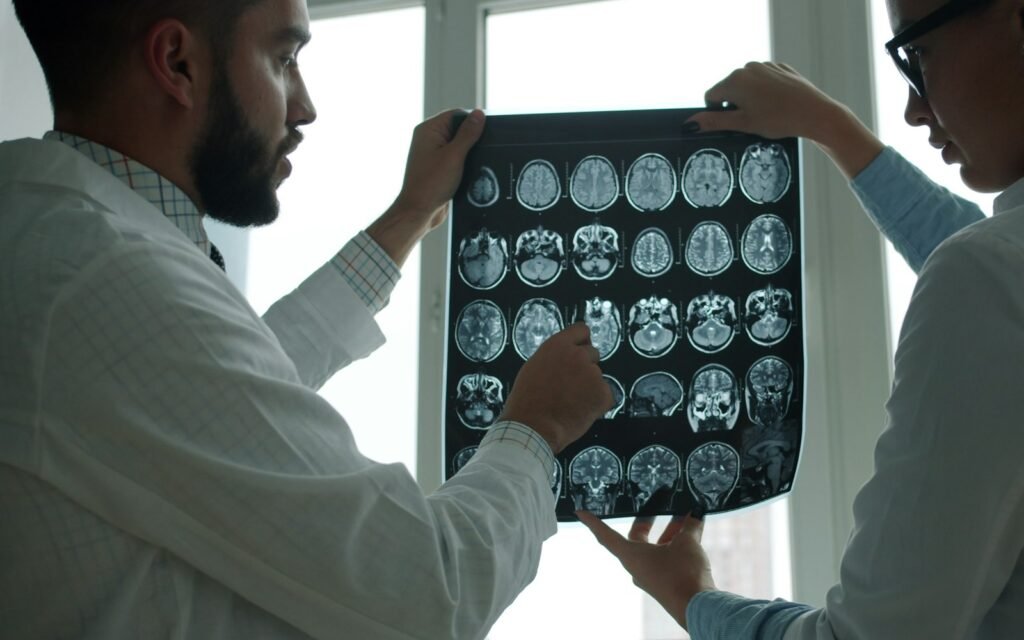
Comprehensive Genomic Profiling
Open the Page
Molecular Tumour Board
Open the Page
Second Opinion
Open the Page
International Patients
Open the Page
Cancer Types
Open the PageSources and Guidelines
- Weller M et al. EANO guidelines on the diagnosis and treatment of diffuse gliomas of adulthood. Nat Rev Clin Oncol 2021;18(3):170-186. Link
- European Society for Medical Oncology. ESMO Clinical Practice Guidelines: gliomas (EANO-ESMO), current version. Link
- National Comprehensive Cancer Network. NCCN Clinical Practice Guidelines in Oncology: Central Nervous System Cancers. Link
- Stupp R et al. Radiotherapy plus concomitant and adjuvant temozolomide for glioblastoma. N Engl J Med 2005;352:987-996. Link
- Hegi ME et al. MGMT gene silencing and benefit from temozolomide in glioblastoma. N Engl J Med 2005;352:997-1003. Link
- Stupp R et al. Effects of radiotherapy with concomitant and adjuvant temozolomide versus radiotherapy alone on survival in glioblastoma: 5-year analysis of the EORTC-NCIC trial. Lancet Oncol 2009;10(5):459-466. Link
- Louis DN et al. The 2021 WHO Classification of Tumors of the Central Nervous System: a summary. Neuro Oncol 2021;23(8):1231-1251. Link
- Perry JR et al. Short-course radiation plus temozolomide in elderly patients with glioblastoma. N Engl J Med 2017;376:1027-1037. Link
- Stupp R et al. Effect of tumor-treating fields plus maintenance temozolomide vs maintenance temozolomide alone on survival in patients with glioblastoma (EF-14). JAMA 2017;318(23):2306-2316. Link
- Wick W et al. Lomustine and bevacizumab in progressive glioblastoma (EORTC 26101). N Engl J Med 2017;377:1954-1963. Link
- Lombardi G et al. Regorafenib compared with lomustine in patients with relapsed glioblastoma (REGOMA). Lancet Oncol 2019;20(1):110-119. Link
- Mellinghoff IK et al. Vorasidenib in IDH1- or IDH2-mutant low-grade glioma (INDIGO). N Engl J Med 2023;389:589-601. Link
- Cancer Research UK. Brain tumours: glioblastoma. Link
- U.S. National Library of Medicine. ClinicalTrials.gov, glioblastoma trial registry. Link
- Turkish Society of Medical Oncology. Guidelines and patient information resources. Link