
Articles on Genetic and Molecular Oncology
Examining the genetic make-up of a tumour, reading the report and turning the result into treatment. From liquid biopsy to driver mutations and hereditary risk assessment.
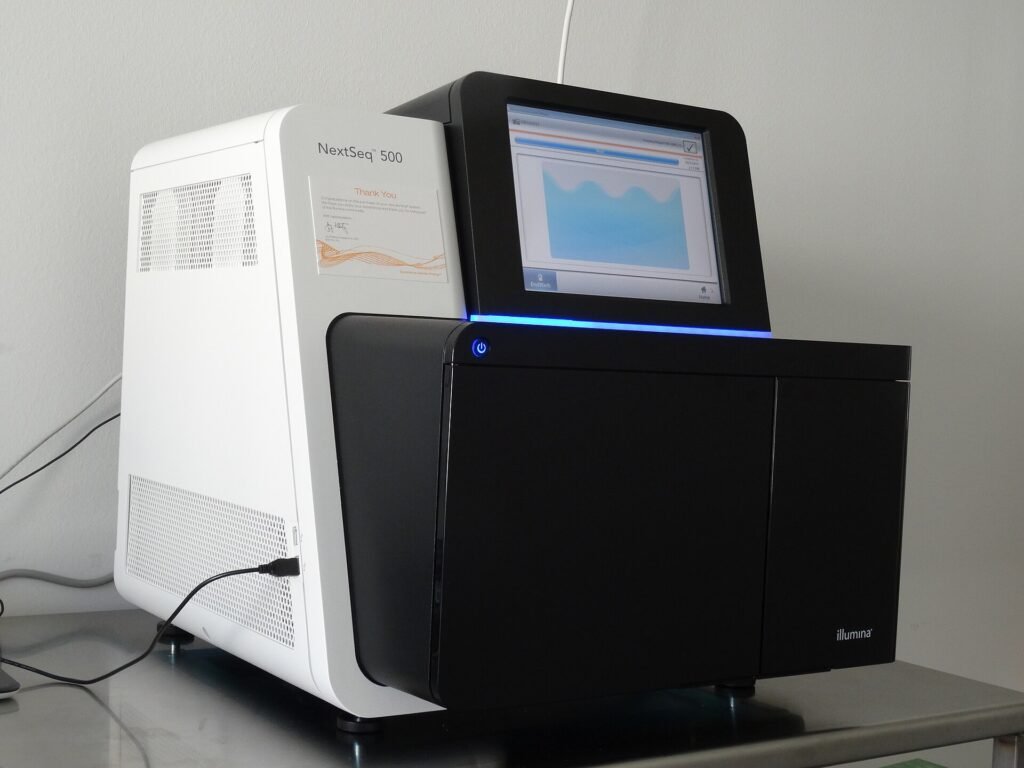 Genetic and Molecular Oncology
Liquid biopsy for cancer reads tumour DNA from a blood sample. When it is requested, how it compares with tissue biopsy and what a negative result means.
Read the Article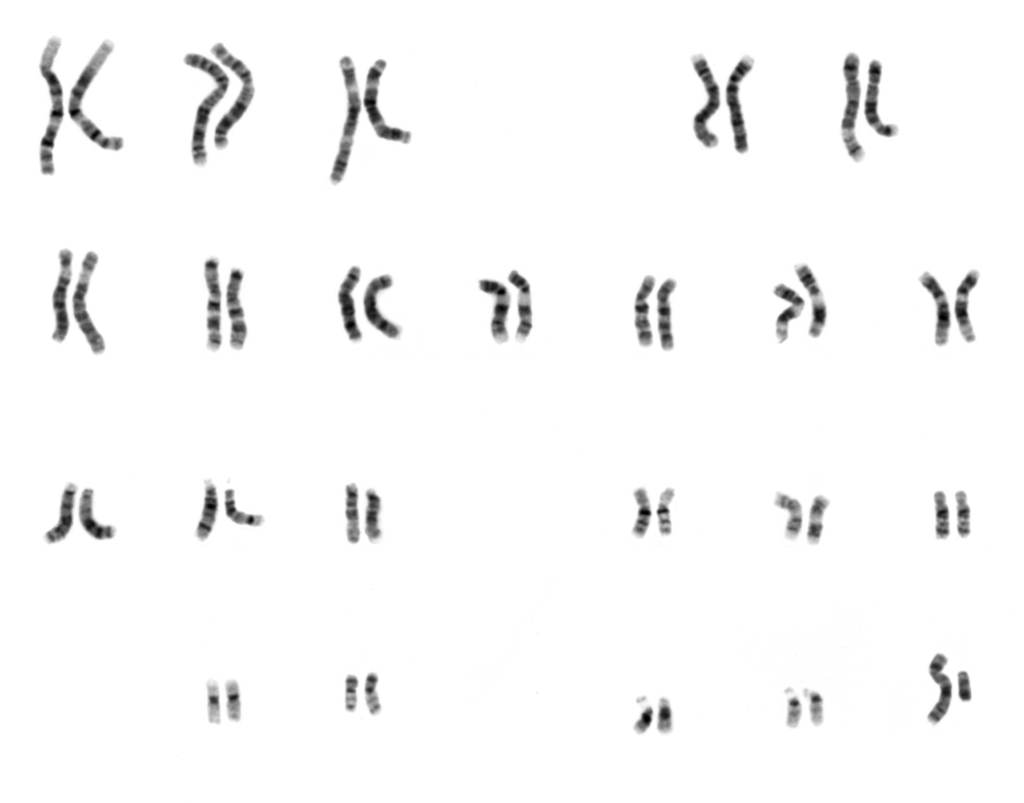 Genetic and Molecular Oncology
A driver mutation steers tumour growth; a passenger simply travels with it. How the two are separated on a genomic report and what that changes in treatment.
Read the Article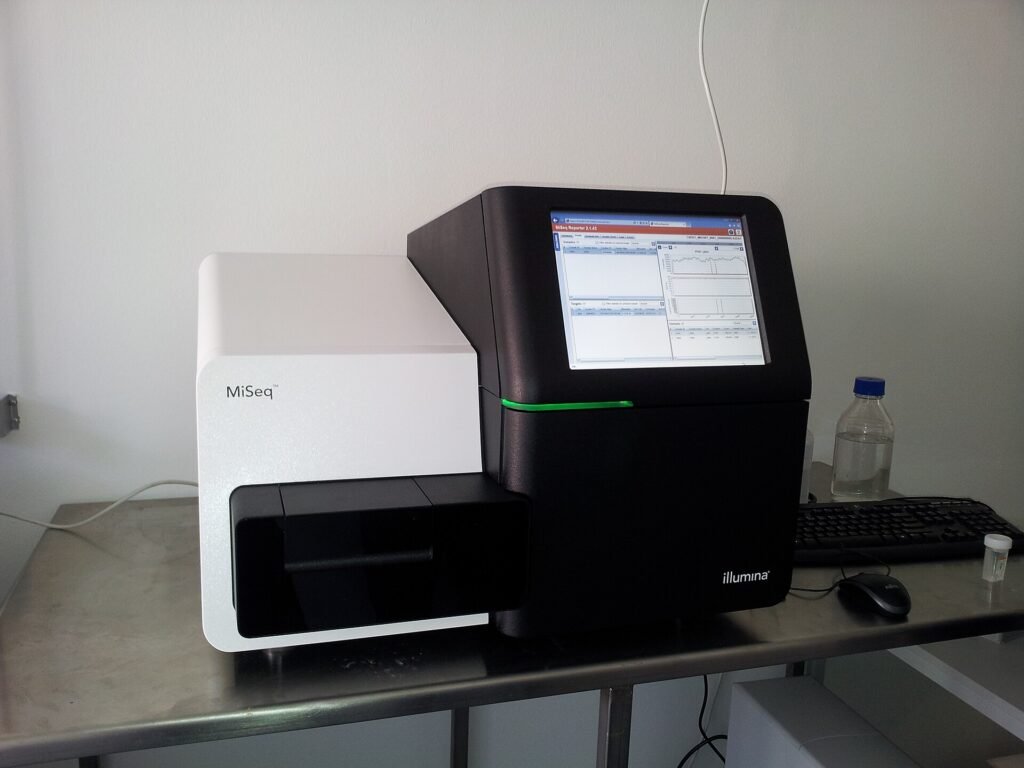 Genetic and Molecular Oncology
How to read an NGS report section by section: panel coverage, variants, TMB and MSI, levels of evidence, and the misreadings that change nothing in treatment.
Read the Article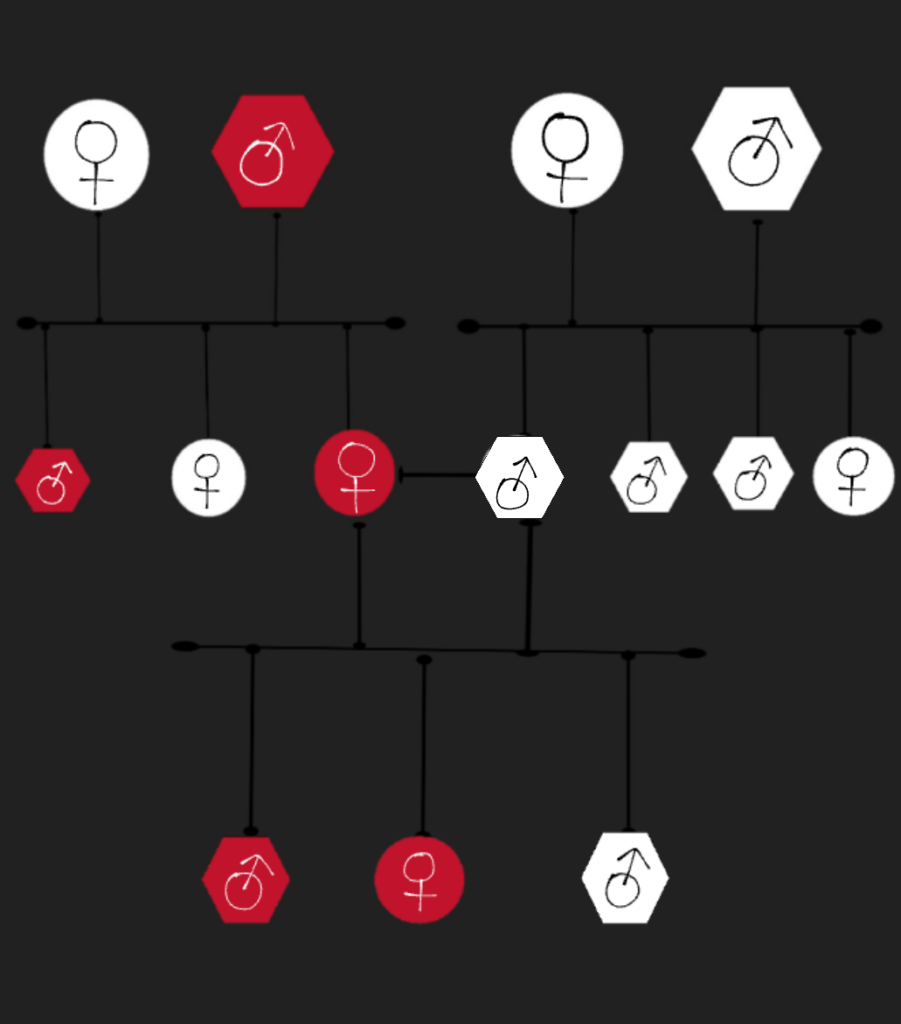 Genetic and Molecular Oncology
Is cancer hereditary? For about 5 to 10 per cent of cases, yes. How family risk is assessed, who is offered testing and what each result means in practice.
Read the Article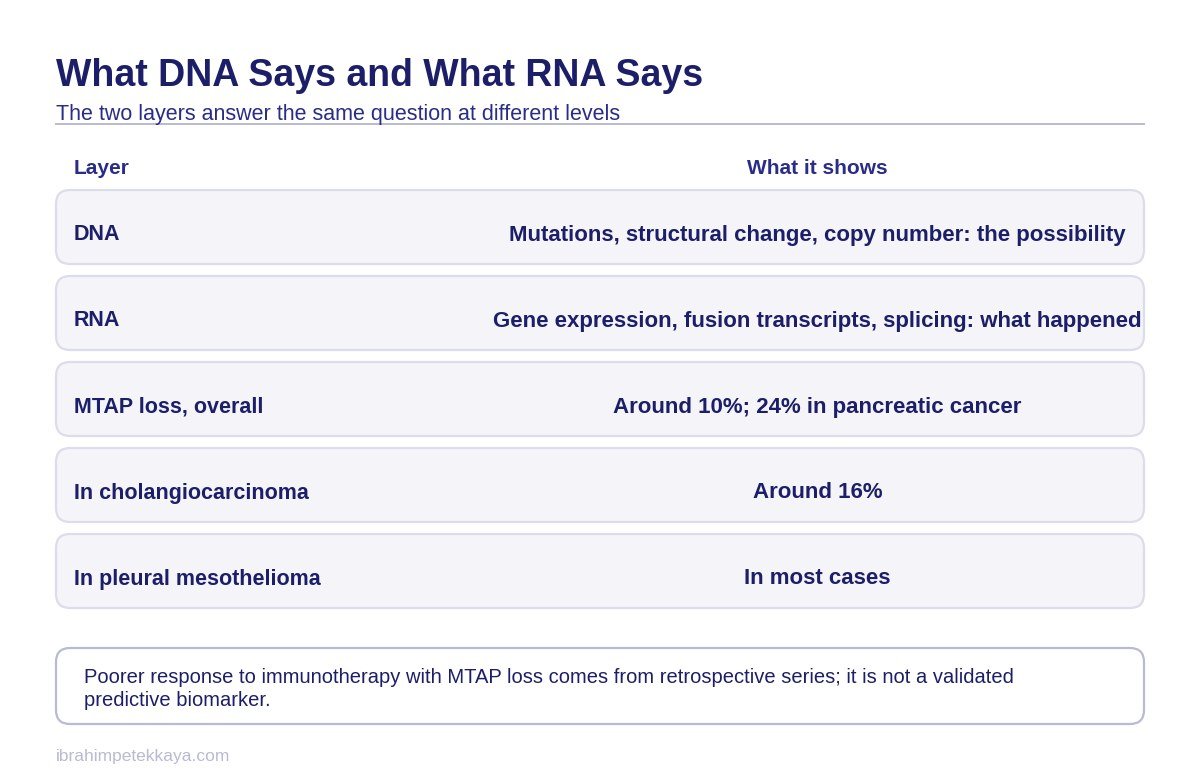 Genetic and Molecular Oncology
RNA analysis does not replace DNA sequencing, it sits beside it: fusions, exon skipping and expression. MTAP loss is the clearest example of the difference.
Read the Article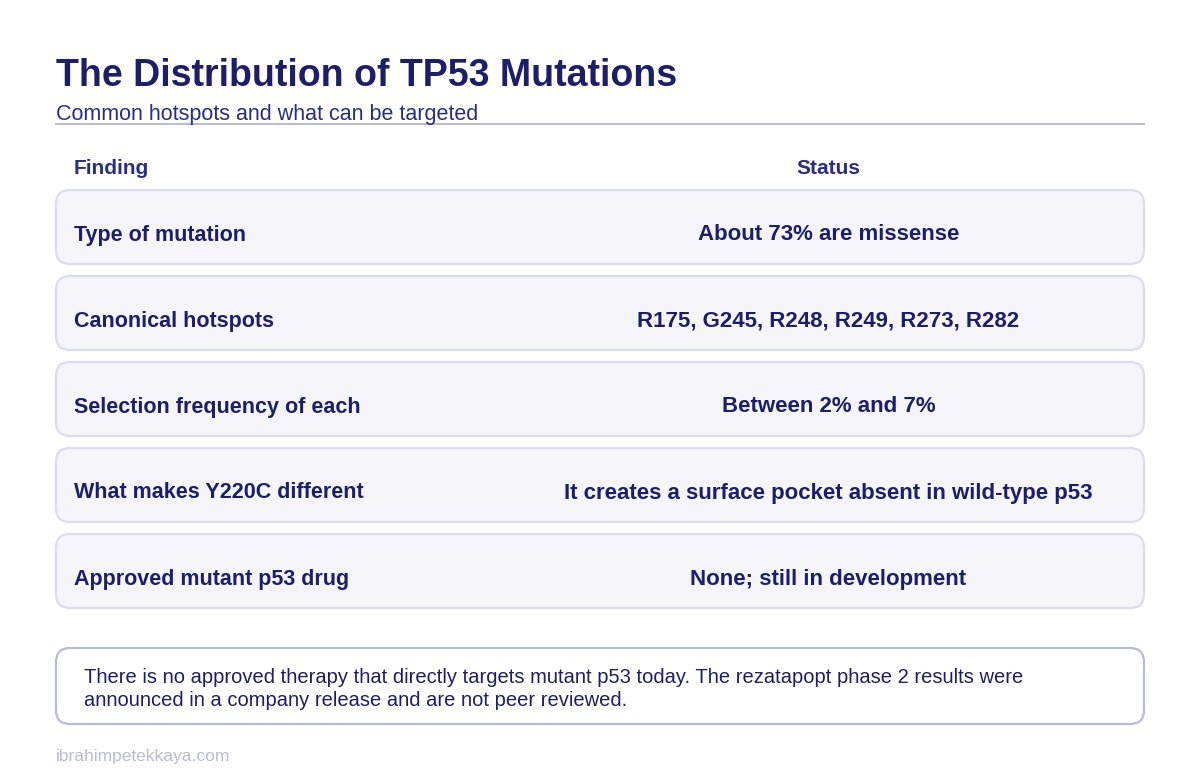 Genetic and Molecular Oncology
A TP53 mutation is found in more than half of all cancers. What the first clinical data on the Y220C change show, and whether an approved treatment exists.
Read the Article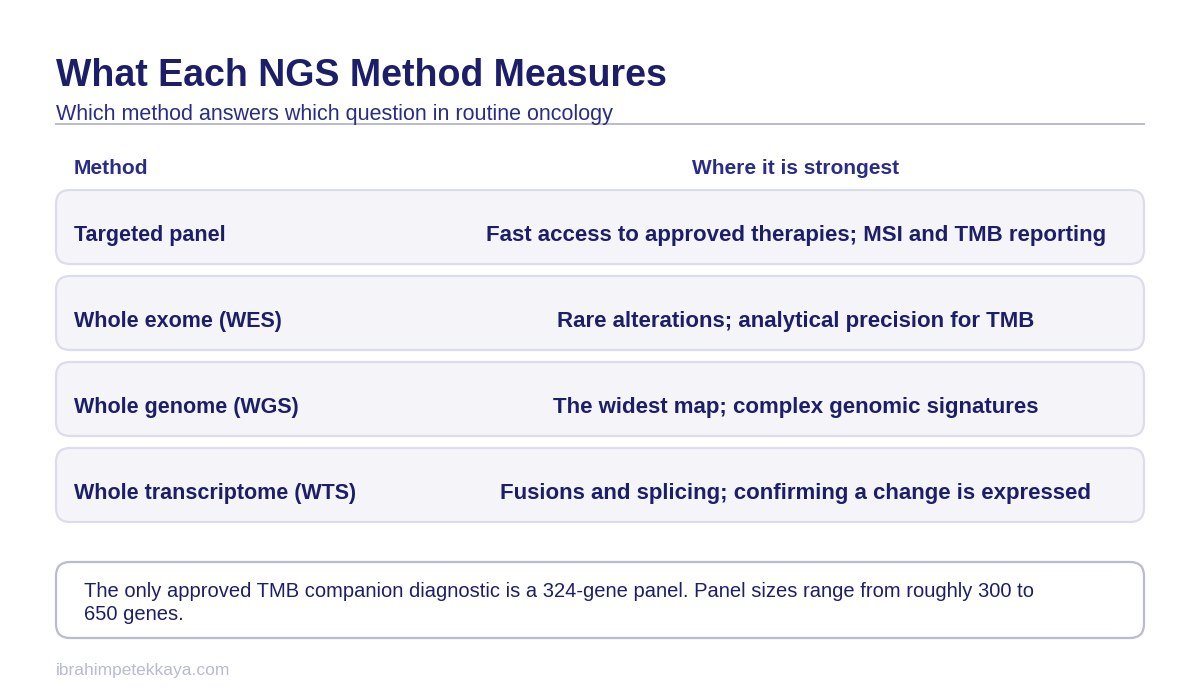 Genetic and Molecular Oncology
What whole exome sequencing, a targeted panel, whole genome and transcriptome sequencing measure, which measurement is approved and which is research grade.
Read the Article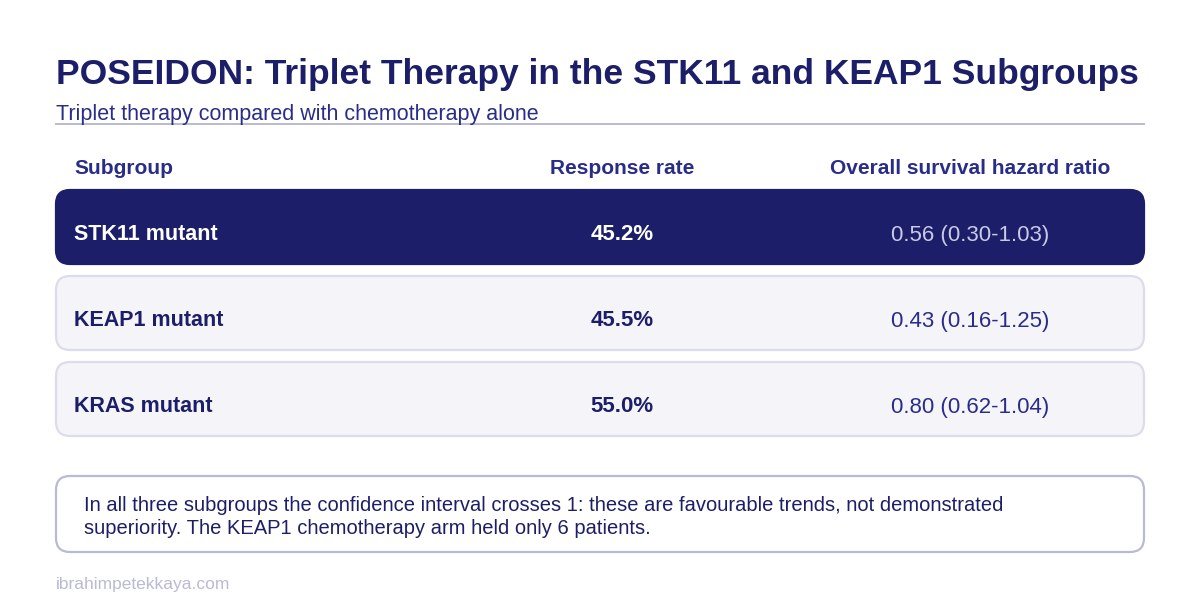 Genetic and Molecular Oncology
STK11 and KEAP1 mutations are linked to resistance to PD-1 and PD-L1 drugs. POSEIDON subgroup data showed a favourable trend with the CTLA-4 triplet.
Read the Article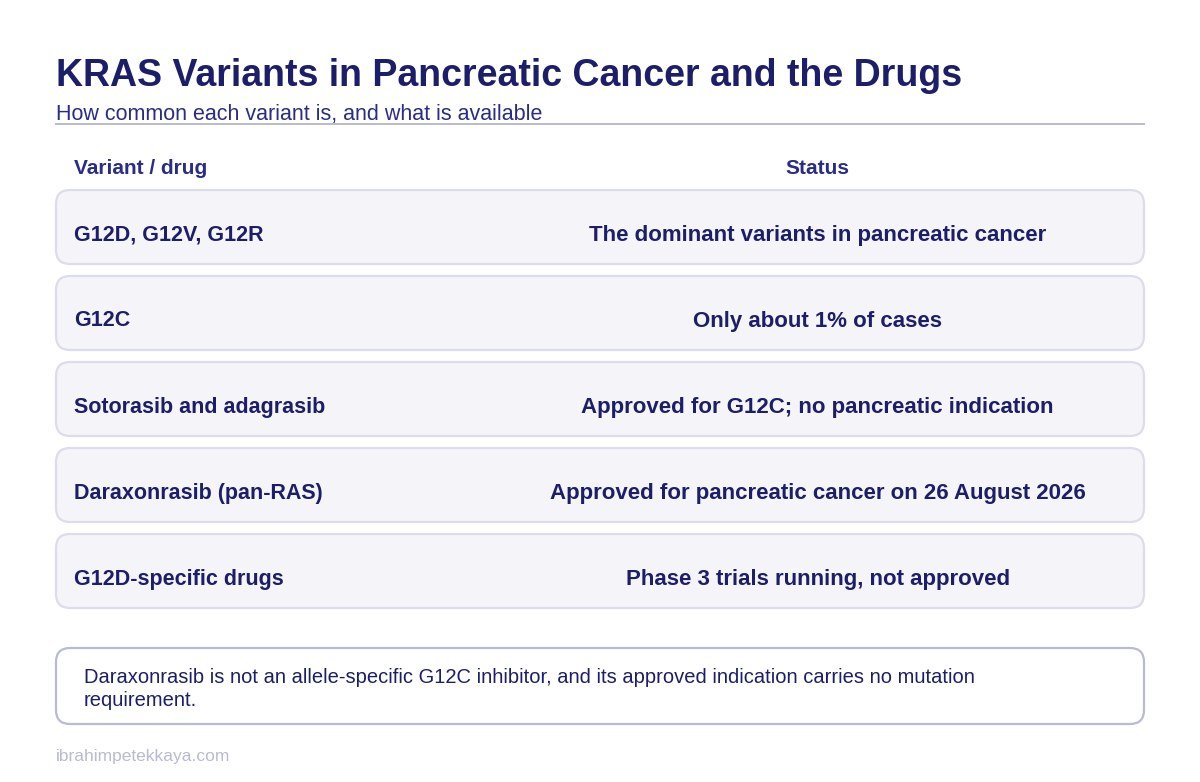 Genetic and Molecular Oncology
KRAS G12C inhibitors are approved in lung and colorectal cancer but not in pancreatic cancer. The drug approved there is pan-RAS daraxonrasib.
Read the Article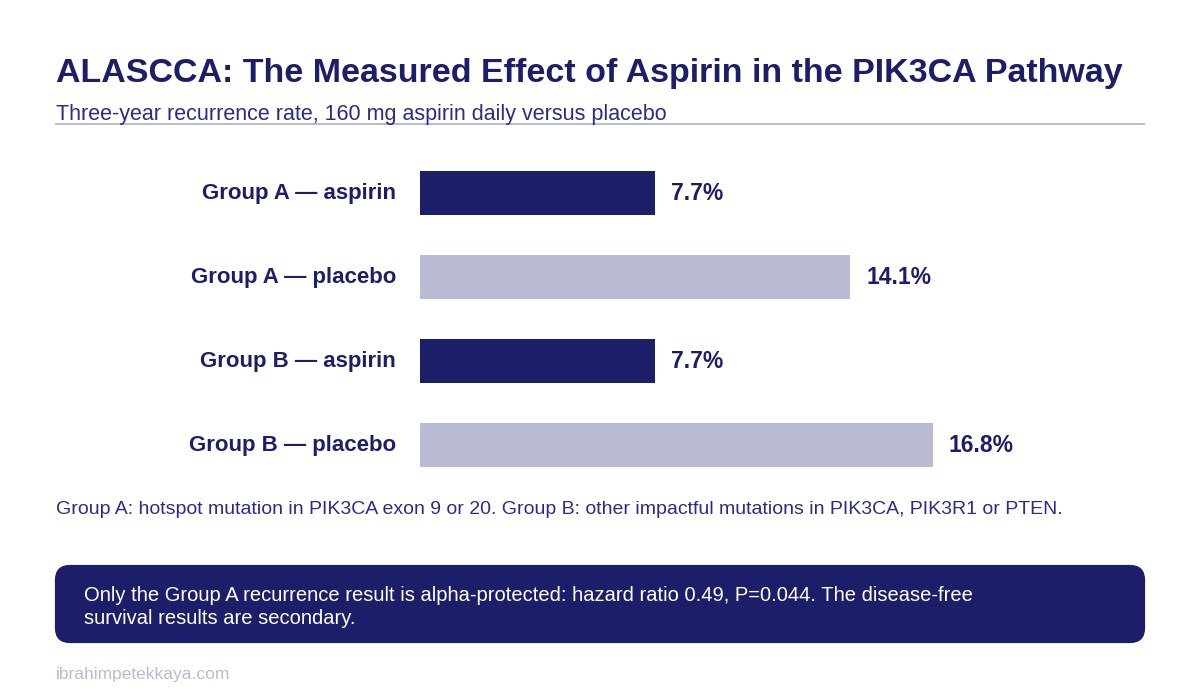 Genetic and Molecular Oncology
In localised colorectal cancer with a PIK3CA mutation, 160 mg of aspirin a day markedly cut three-year recurrence. The ALASCCA trial results in full.
Read the Article Genetic and Molecular Oncology
A variant of uncertain significance is one that has not yet been shown either to raise or not to raise cancer risk. How to read its place in the report.
Read the ArticleOther Headings: Diagnosis and Treatment · Cancer Types · Life and Support · Oncology News · All Articles