İçeriğe Atlayın Skip to Content

Articles on Diagnosis and Treatment

The questions most often asked on the road from diagnosis to treatment: which test is requested when, what decisions rest on, and how the process runs. Each article takes a single question and is published with its sources.
Articles Under This Heading

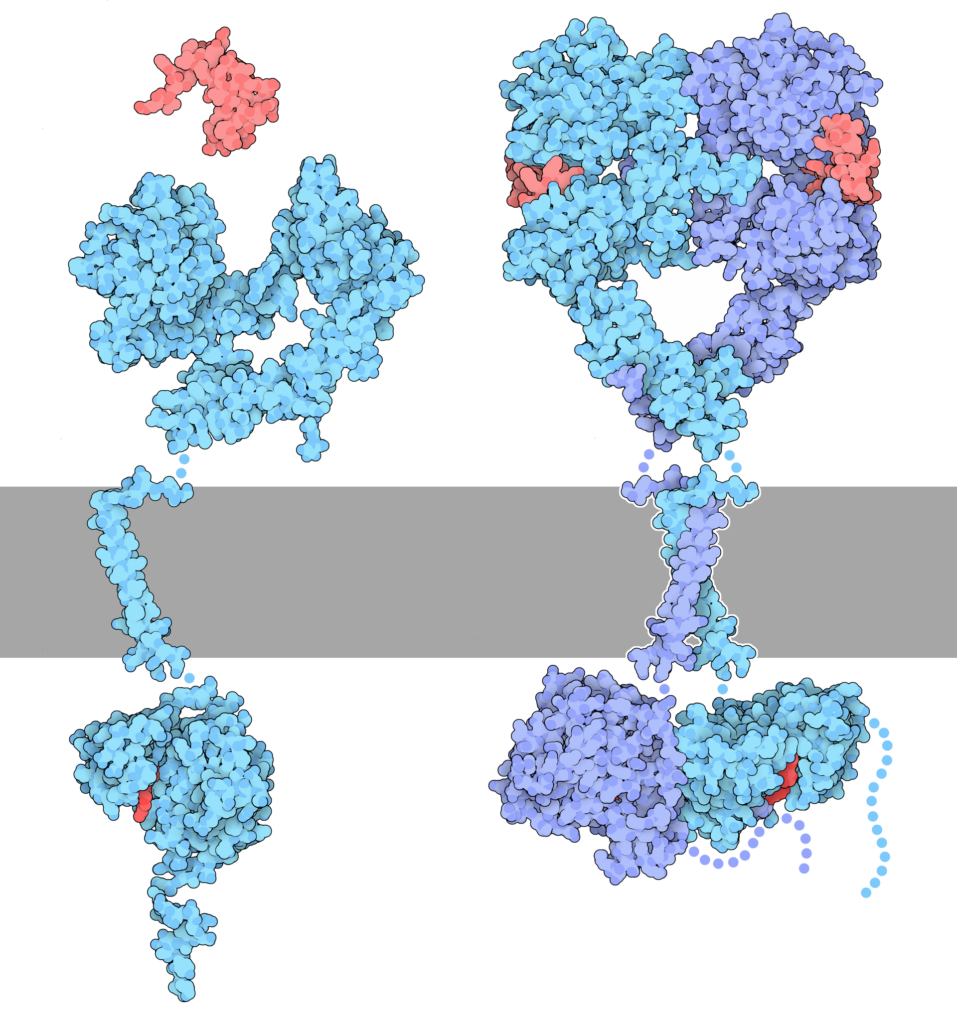
EGFR receptor diagram used to explain targeted therapy resistanceDiagnosis and Treatment

Targeted Therapy Resistance: Why It Happens and What Comes Next

Targeted therapy resistance develops when a tumour finds a new escape route. How the mechanism is identified and what decides the next line of treatment.

Read the Article
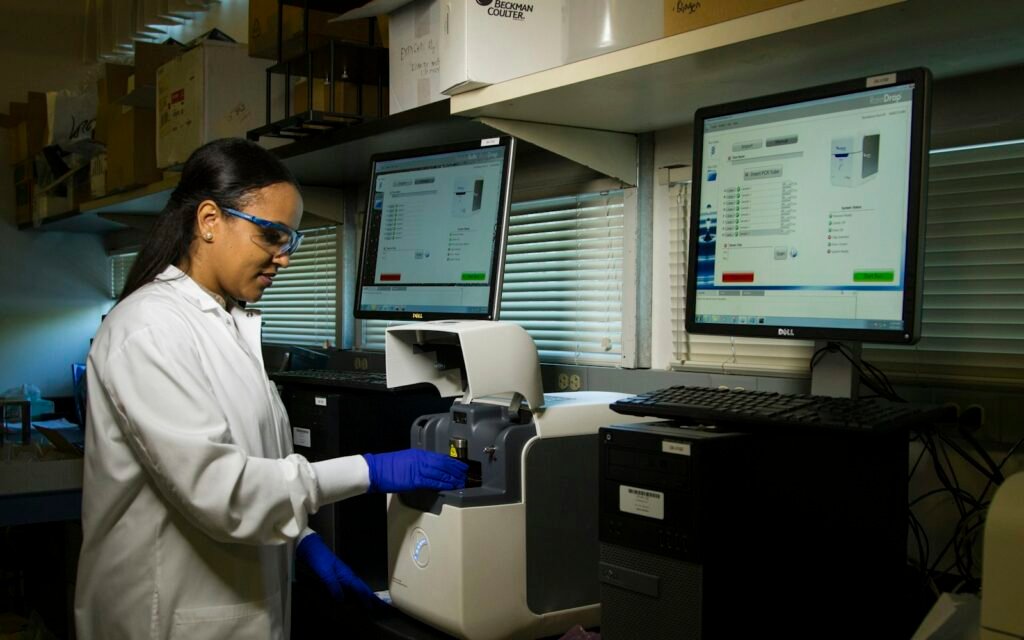
Blood sample being sequenced for ctDNA testingDiagnosis and Treatment

ctDNA Testing After Surgery: What Minimal Residual Disease Means

ctDNA testing looks for tumour DNA in blood after surgery. What minimal residual disease means and how the result shapes the chemotherapy decision.

Read the Article
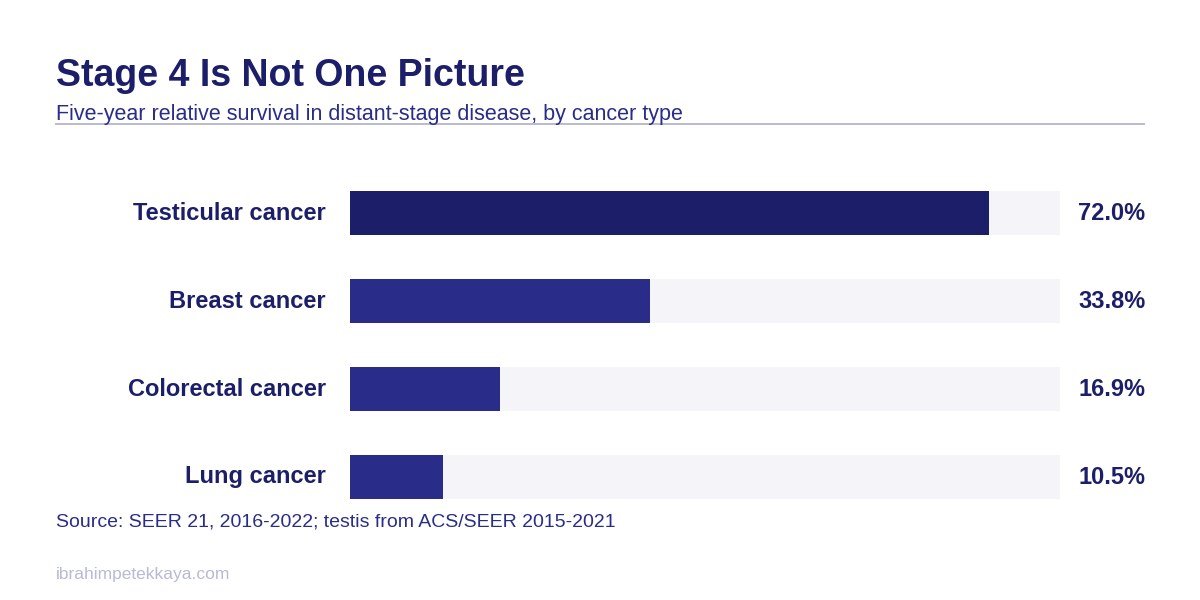
Chart showing what stage 4 cancer means in survival terms across cancer typesDiagnosis and Treatment

What Stage 4 Cancer Means, and What It Does Not

What stage 4 cancer means, how metastatic disease is defined and what the label does not tell you: staging logic, differences by type and treatment options.

Read the Article
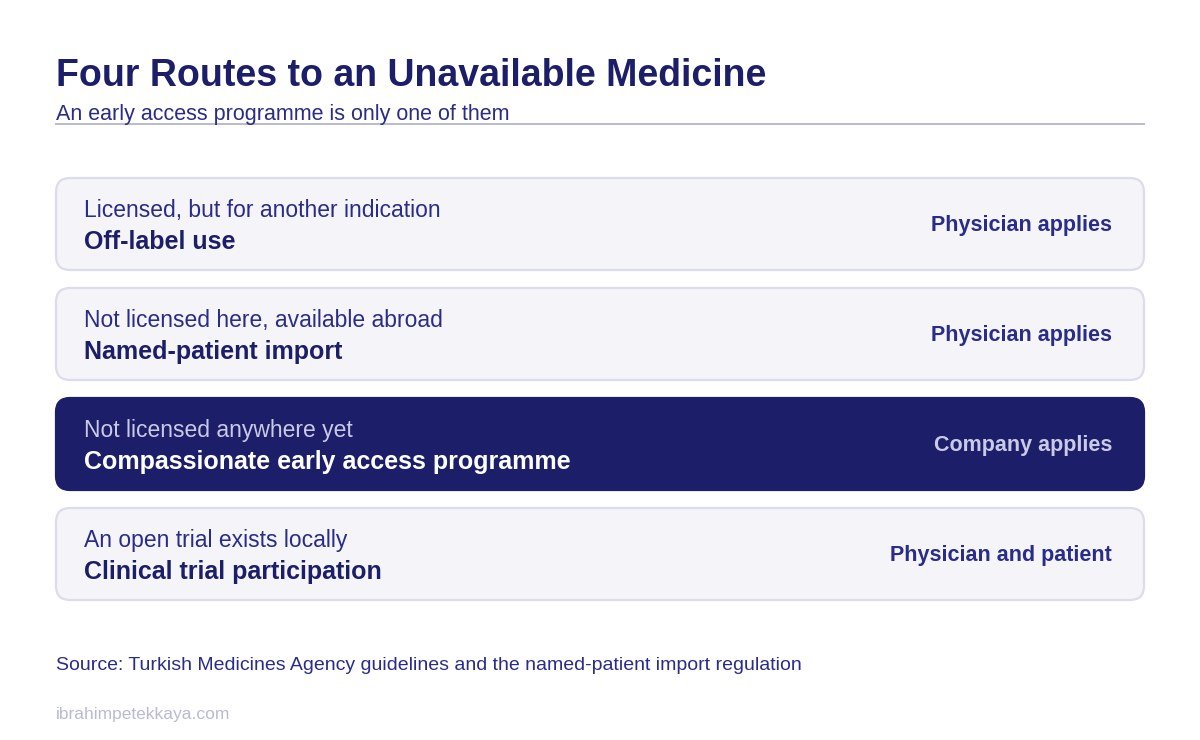
Table showing four routes to a medicine, including an early access programmeDiagnosis and Treatment

Early Access Programmes and Taking Part in Clinical Trials

What an early access programme is, how named-patient import works and what taking part in a clinical trial actually offers. Four routes compared.

Read the Article
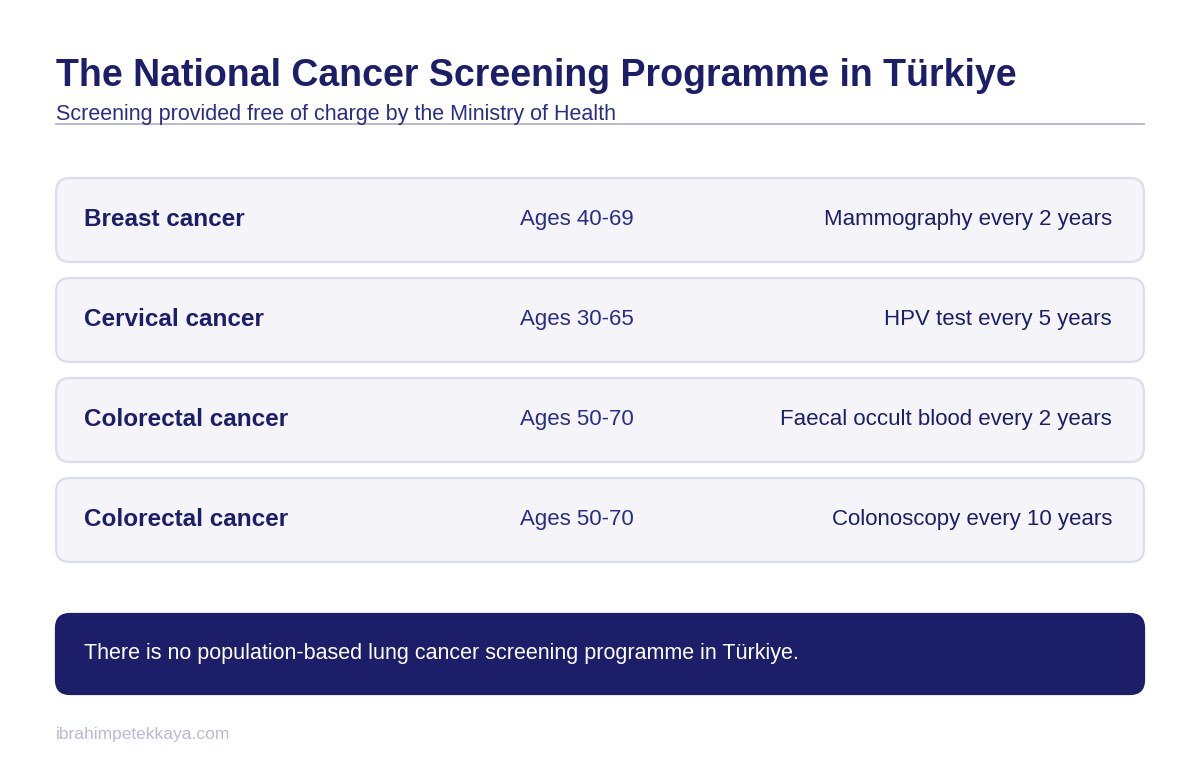
Table of the national screening programme for early detection of cancer in TürkiyeDiagnosis and Treatment

What Early Detection of Cancer Changes, and the Screening Schedule

What early detection of cancer actually changes, the screening schedule used in Türkiye, and the harms of screening, set out with randomised evidence.

Read the Article
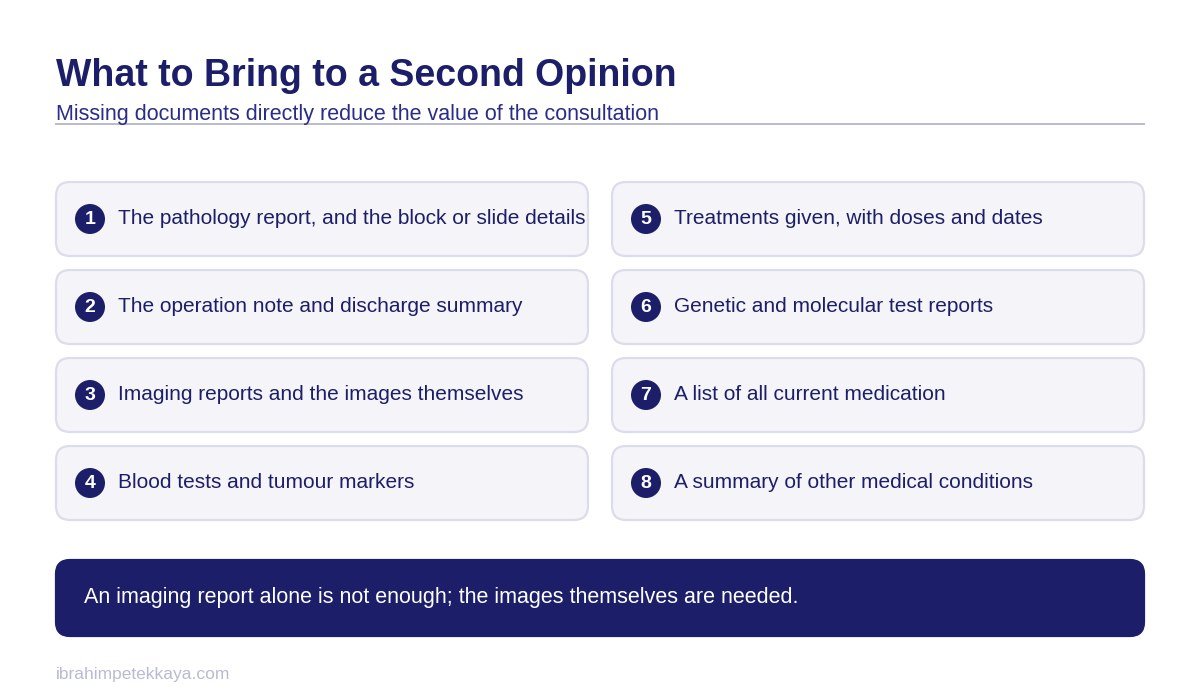
Checklist of what to bring when learning how to get a second opinion in cancerDiagnosis and Treatment

How to Get a Second Opinion in Cancer, and What to Bring

How to get a second opinion in cancer, which documents are needed and how to make the consultation productive. Timing, preparation and what to expect.

Read the Article
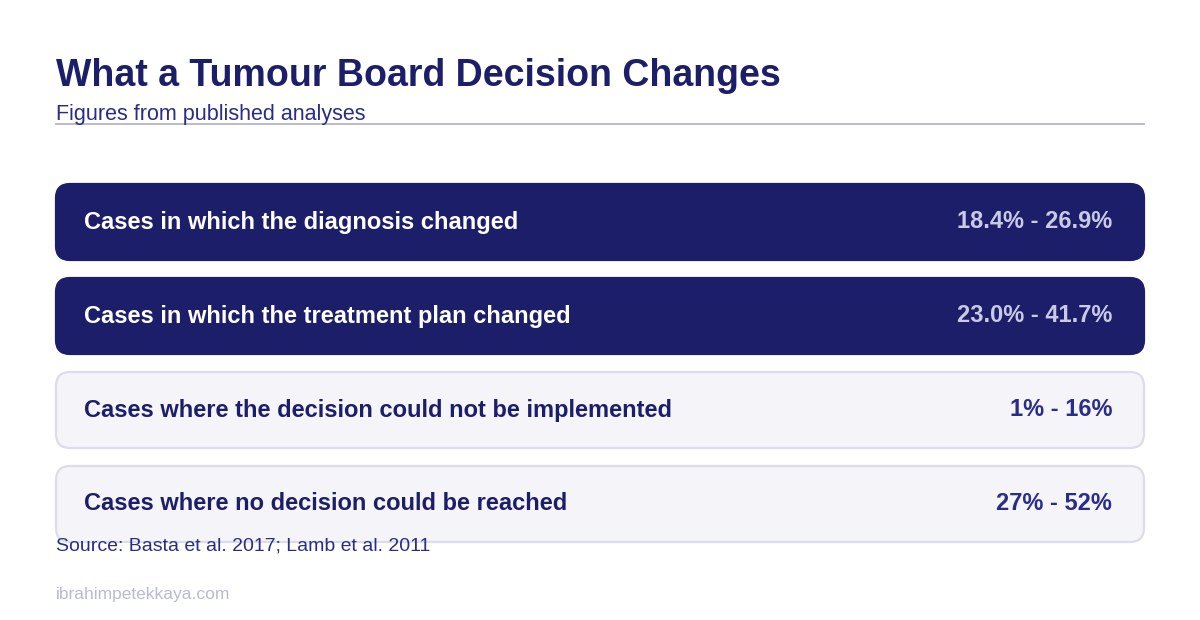
Table on how a tumour board works and how often it changes the diagnosis and planDiagnosis and Treatment

How a Tumour Board Works and Who Makes the Decision

How a tumour board works, who sits on it and who makes the decision, with figures on how often board review changes the diagnosis and the treatment plan.

Read the Article
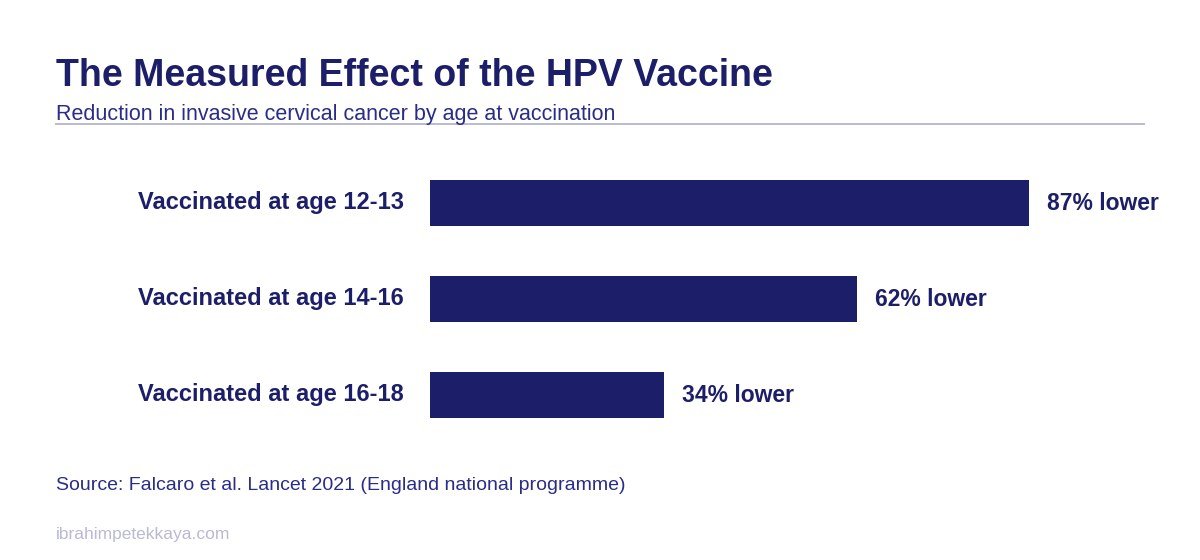
Chart of the effect of HPV vaccination alongside HPV screening on cervical cancerDiagnosis and Treatment

HPV Screening and Cervical Cancer: Who, and How Often?

Who should have HPV screening, at what age and how often? What a positive result means and what the vaccine has actually achieved, with the evidence.

Read the Article
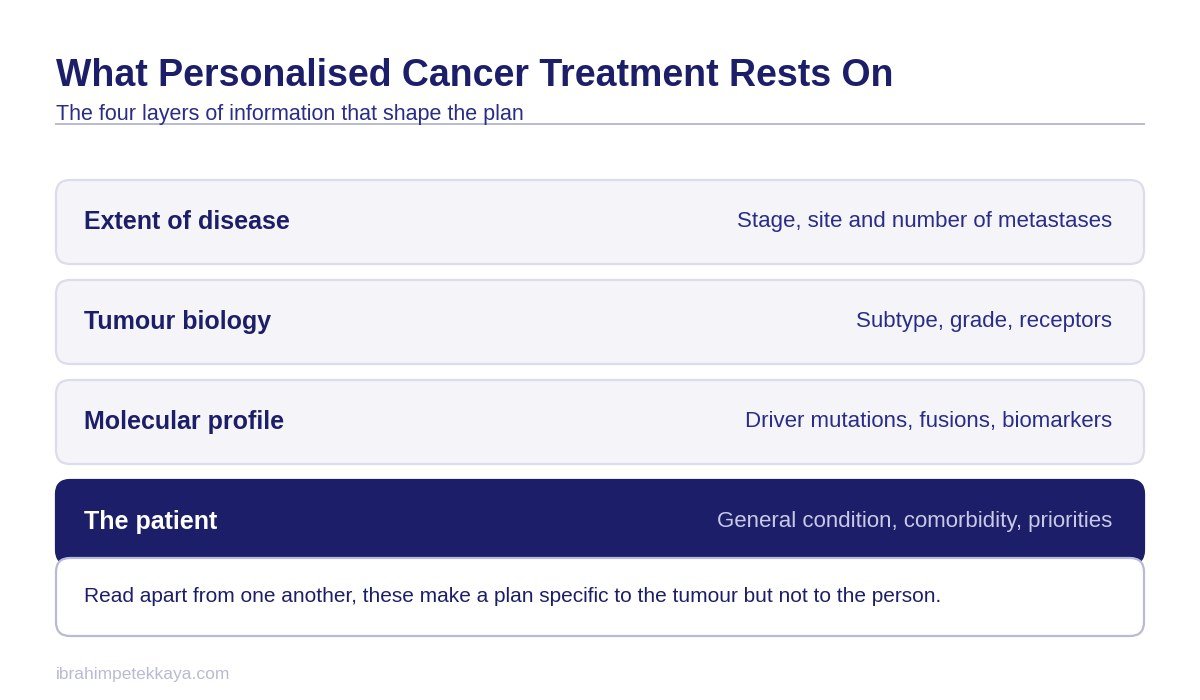
Table of the four layers of information behind personalised cancer treatmentDiagnosis and Treatment

What Personalised Cancer Treatment Actually Means

What personalised cancer treatment really refers to, which information it rests on and whether it is possible for every patient. The limits and the evidence.

Read the Article
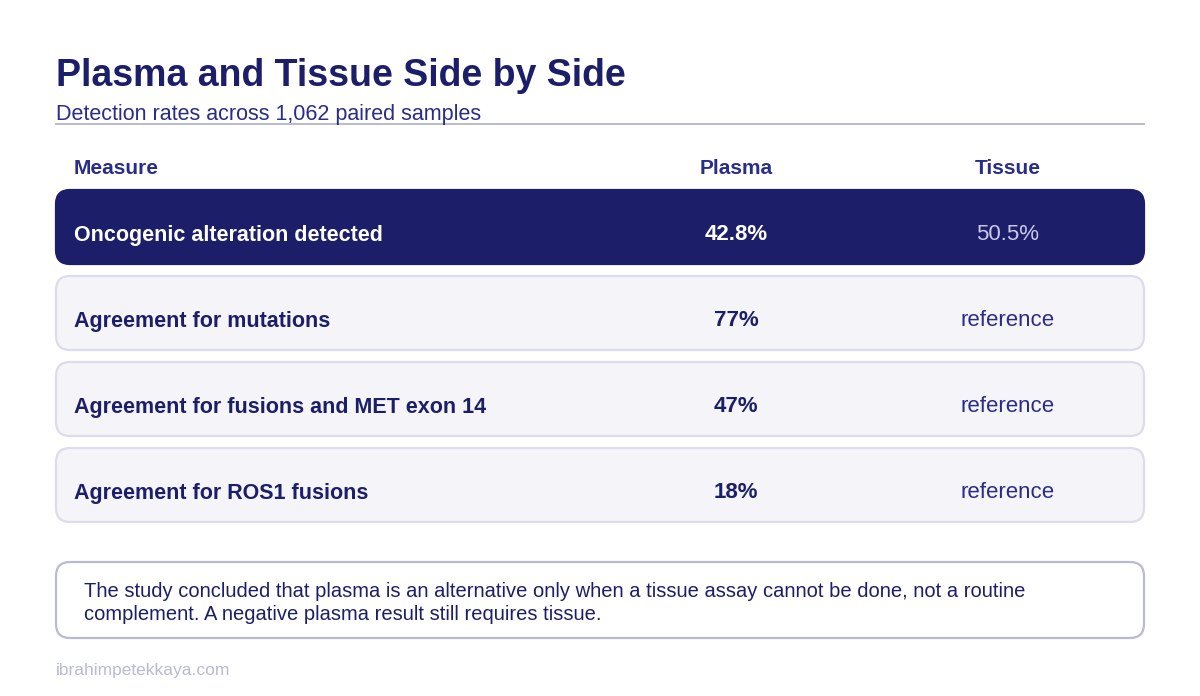
Table of agreement between the tissue biopsy and plasma ctDNA sequencing by type of changeDiagnosis and Treatment

What Plasma ctDNA Says When the Tissue Biopsy Is Not Enough

When the tissue biopsy falls short, plasma ctDNA opens a route to molecular diagnosis. Agreement is low for fusions and a negative result sends you back.

Read the Article
Treatment in the chemotherapy unitDiagnosis and Treatment

How Many Chemotherapy Cycles Are Given?

The number of cycles follows guideline protocols set by cancer type, stage and the aim of treatment. How duration differs in adjuvant, neoadjuvant and metastatic disease.

Read the Article

Other Headings: Genetic and Molecular Oncology · Cancer Types · Life and Support · Oncology News · All Articles

Ask for an Assessment

You can send your pathology and imaging reports on WhatsApp or by email. Documents are reviewed before the consultation.