
Shaping the Future of Oncology
Current oncology practice is combined with treatment planned for the individual patient.
Every patient history is different, so every treatment plan is written for that person.

Current oncology practice is combined with treatment planned for the individual patient.
Every patient history is different, so every treatment plan is written for that person.
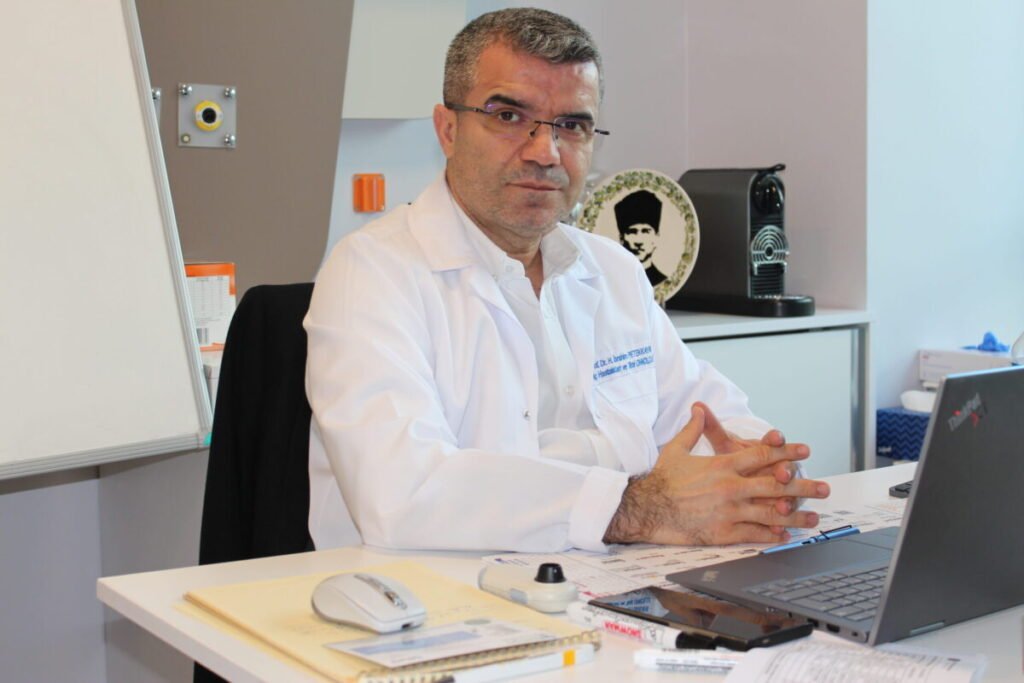
Prof. Dr. H. Ibrahim Petekkaya is a medical oncologist who plans systemic treatment for adult cancers. He graduated from Atatürk University Faculty of Medicine in 2000, trained in internal medicine at Çukurova University (2003-2008) and completed his medical oncology fellowship at Hacettepe University (2010-2013).
He sees patients at Egepol Hospital (Güneşli Mah. 507 Sok. No:3, Konak, Izmir, Türkiye) and previously worked at Izmir Tınaztepe University. Treatment decisions follow current guidelines, the molecular features of the tumour and the patient's general condition together.
Systemic treatment is planned for the cancers listed below. Each page explains symptoms, diagnosis, staging, treatment options and genomic assessment in plain language.
 Breast
Chemotherapy, hormone therapy, targeted treatment and immunotherapy according to stage and subtype.
Open the Page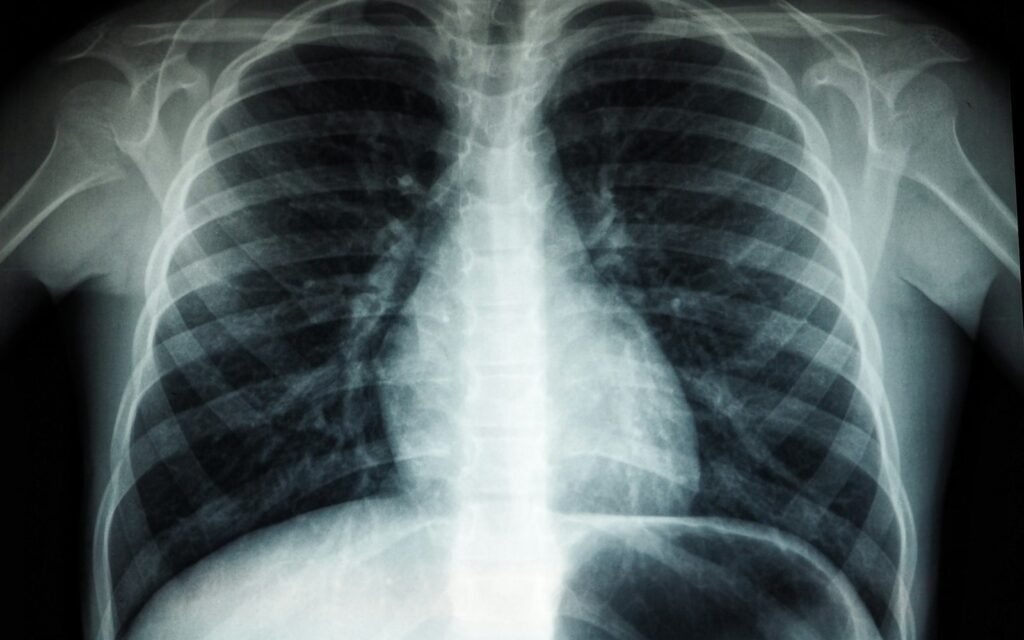 Lung
Treatment guided by molecular profiling in non-small cell and small cell lung cancer.
Open the Page Digestive
Systemic treatment in colorectal, pancreatic and stomach cancer with MSI, HER2 and KRAS assessment.
Open the Page Skin
Immunotherapy and BRAF-targeted treatment in melanoma; systemic options in advanced basal cell carcinoma.
Open the Page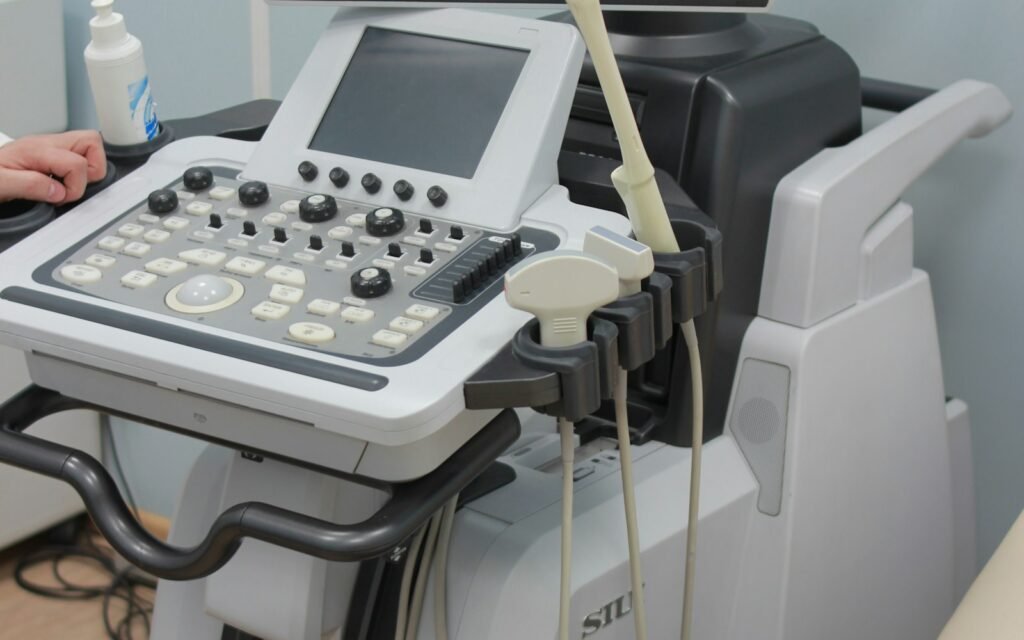 Gynaecological
BRCA testing and PARP inhibitor assessment in ovarian cancer; systemic treatment after chemoradiotherapy in cervical cancer.
Open the Page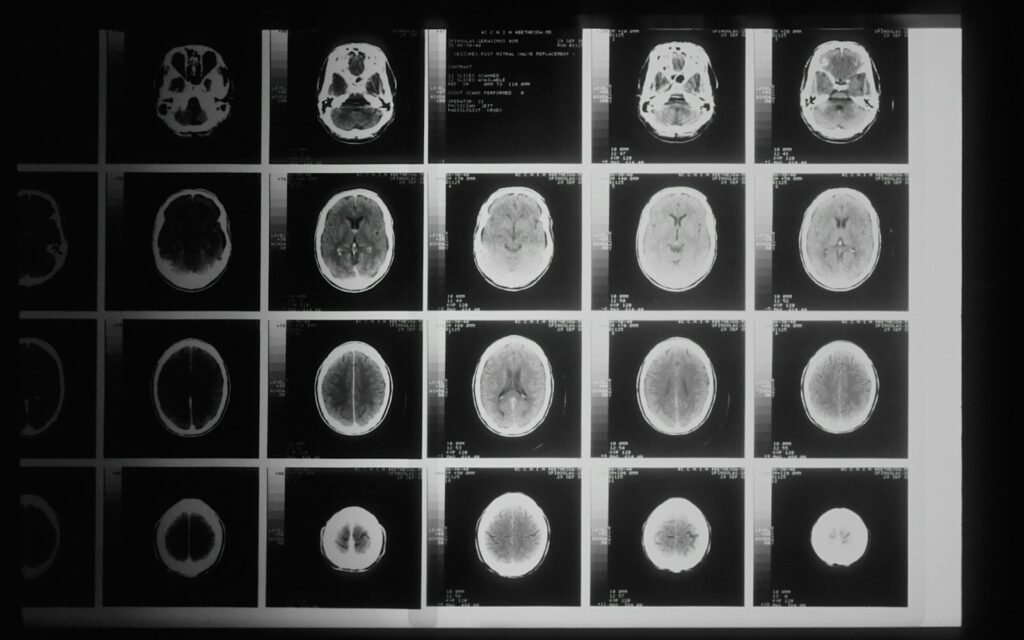 Brain
Temozolomide after surgery and radiotherapy, with the plan guided by MGMT status.
Open the Page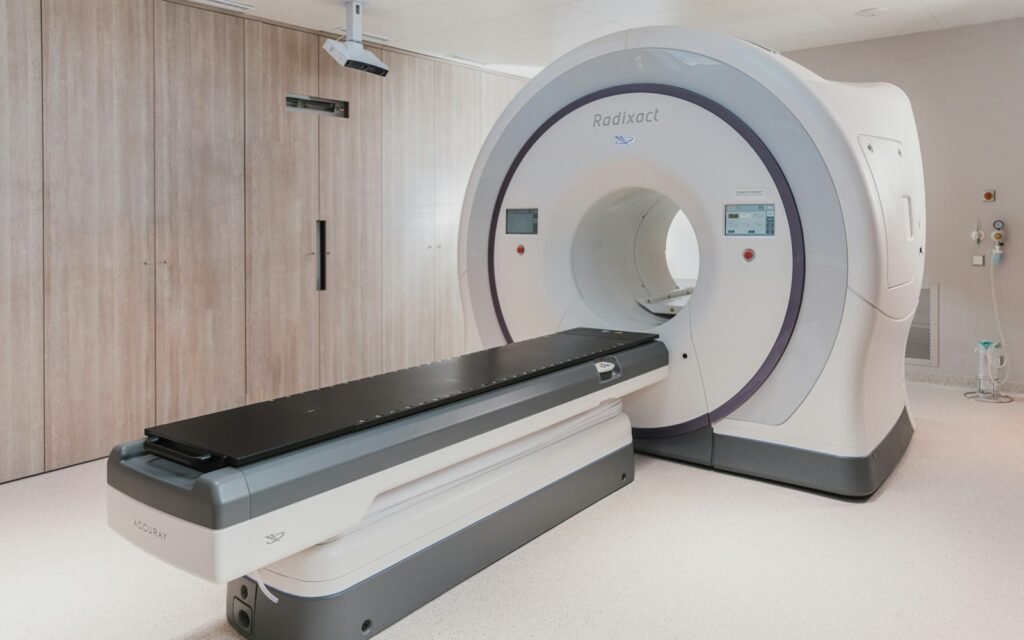 Sarcoma
Systemic treatment is planned by subtype in soft tissue and bone sarcomas and in gastrointestinal stromal tumour (GIST).
Open the PageNext-generation sequencing (NGS) and comprehensive genomic profiling (CGP) reports are reviewed by the molecular oncology and genetics team coordinated by Prof. Dr. H. Ibrahim Petekkaya, not for the genomic alterations alone but together with the diagnosis, the stage, previous treatments and the current clinical picture.
With 18 years of specialist practice and six years of molecular oncology work, the review sets out what each alteration means clinically, which targeted therapy and immunotherapy options follow from it, the mechanisms behind drug resistance and which clinical trials are a realistic match, all read against current evidence. The aim is not to list mutations but to turn molecular data into a treatment strategy that fits the patient and can be carried out.
The scope of a report review and how it proceeds are explained by the secretariat once you have applied; no prices are published on this site.
The method is chosen from the tumour type, its stage, its molecular features and the patient’s general condition together. In most plans the methods follow one another or are used in combination.
 Targeted
These drugs act on a specific molecular target in the tumour, such as HER2, EGFR or BRAF. Genomic profiling of the tumour shows which drug is suitable.
Open the Page Immunotherapy
These drugs release the brakes that stop immune cells recognising the tumour. PD-L1 level, MSI status and tumour mutational burden all affect the decision.
Open the Page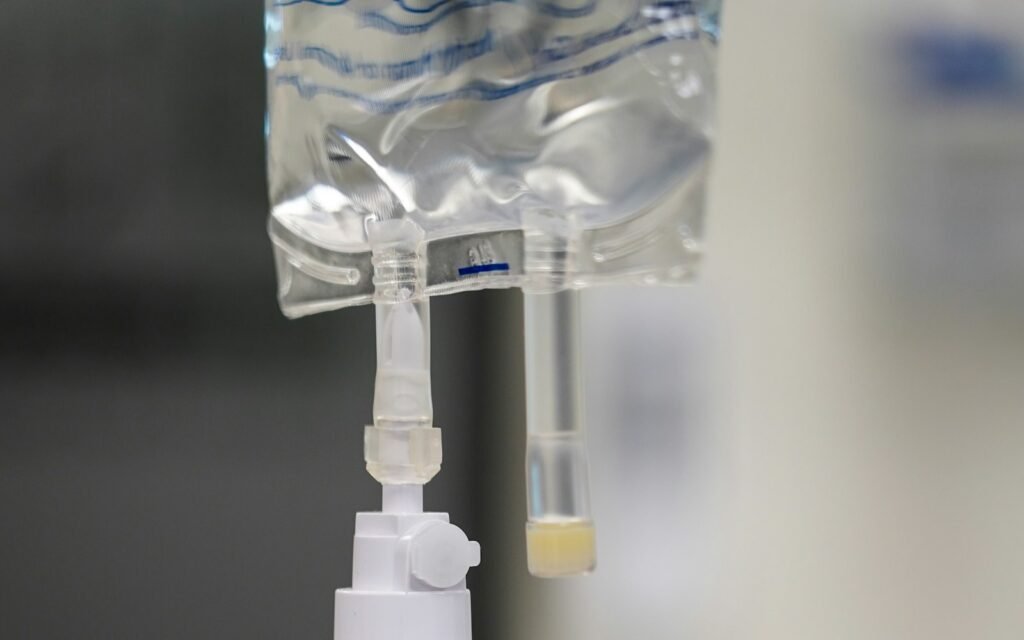 Chemotherapy
 acts on rapidly dividing cells and is given alone or alongside other methods. Duration, dose and side effect management are planned from the stage and the general condition.
Open the PageThe questions patients ask most often, current guidelines and how to read a genomic report, written in plain language.
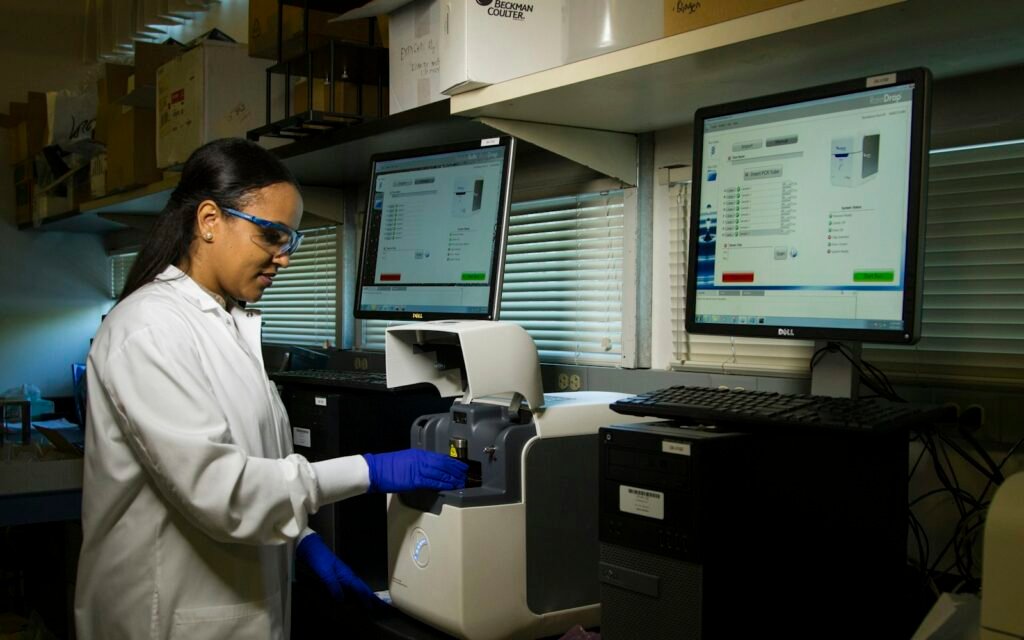 Diagnosis and Treatment
The number of cycles follows guideline protocols and depends on the cancer type, the stage, the aim of treatment and how well it is tolerated.
Read the Article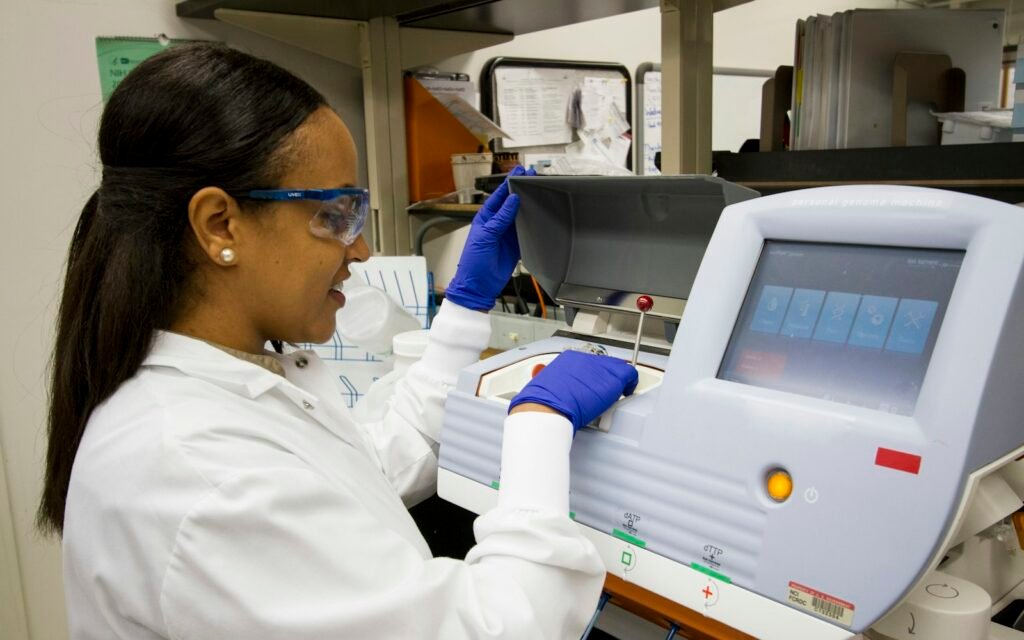 Precision Oncology
A variant of uncertain significance is a gene change whose clinical meaning is not yet established. Treatment is not decided on it, and the classification can change over time.
Read the Article Current Oncology
Current guidance recommends RAS, BRAF V600E, MMR/MSI and HER2 testing at diagnosis, and first-line treatment is ordered from those results.
Read the ArticleProf. Dr. H. Ibrahim Petekkaya sees patients at Egepol Hospital in Konak, Izmir. For an assessment or a second opinion you can write on WhatsApp or call the hospital switchboard. Sending your documents in advance makes the consultation more useful.