İçeriğe Atlayın Skip to Content

Cancer Treatment Options

Cancer treatment options fall into three groups: surgery, radiotherapy and systemic (drug) treatment. The medical oncologist is responsible for the systemic options, namely chemotherapy, targeted therapy, immunotherapy and endocrine (hormonal) therapy, and chooses between them according to cancer type, stage, biomarker results and the patient's general health, following international guidelines. Prof. Dr. H. Ibrahim Petekkaya makes this assessment in Izmir; this page brings together the pages written for each option.

Systemic Treatment Options

The drug treatments a medical oncologist plans are described on three pages, each covering how the treatment works, who it suits and how side effects are managed.

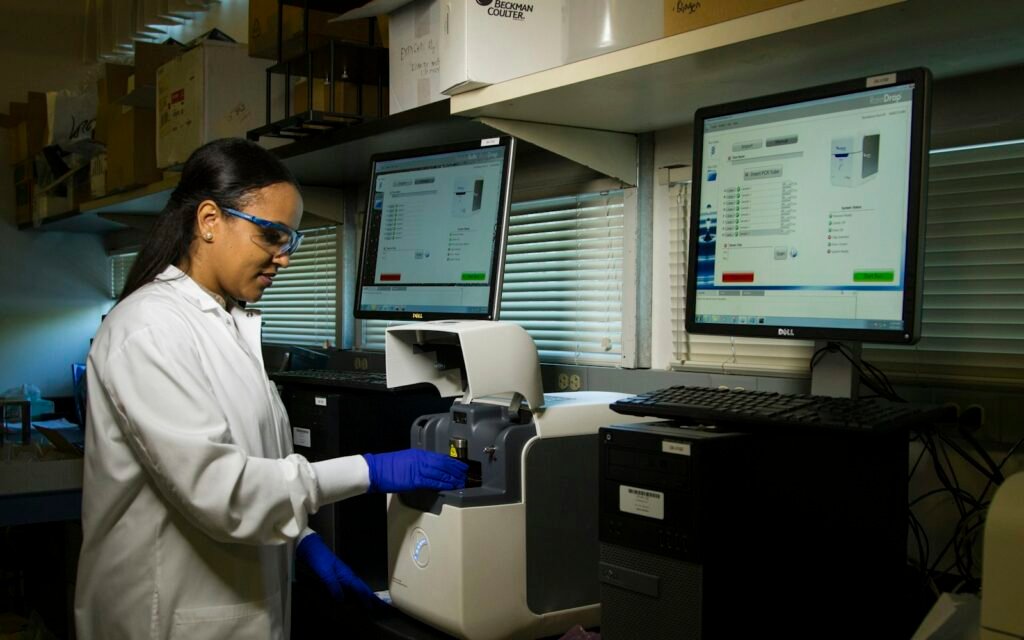
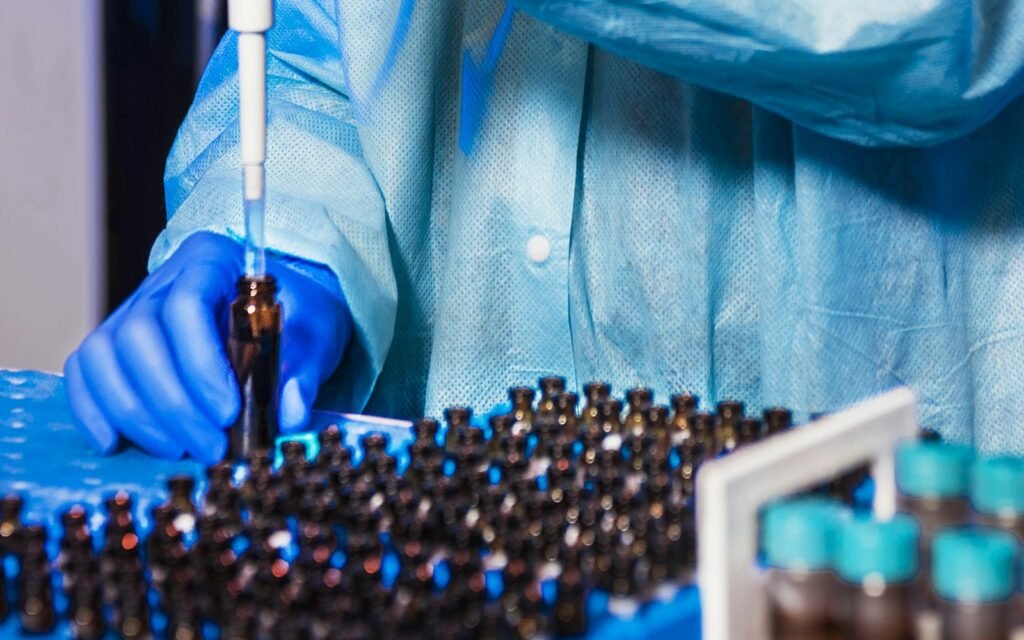
Sample preparation with a pipette in the laboratoryTargeted

Targeted Therapy

Drugs that bind a specific gene alteration or protein in the tumour. The page covers which target is sought in which cancer and what follows resistance.

Open the Page
Cell culture examination in the laboratoryImmunotherapy

Immunotherapy

Checkpoint inhibitors that help the immune system recognise the tumour. The page explains who benefits and how immune-related side effects are managed.

Open the Page
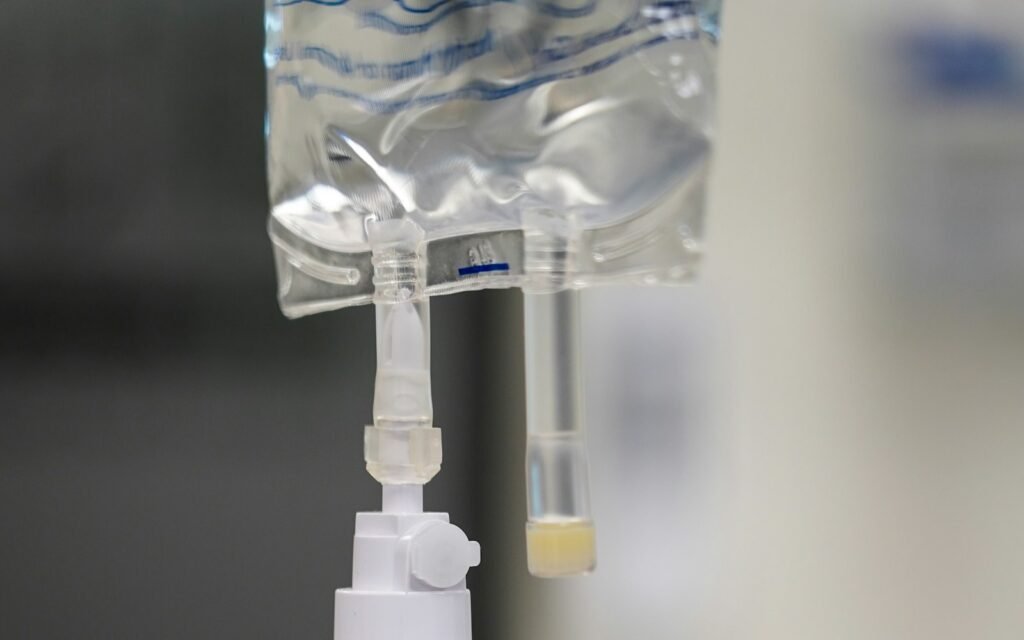
Intravenous drug administrationChemotherapy

Chemotherapy

Drugs given in cycles that act on rapidly dividing cells. The page sets out the cycle schedule and the measures that prevent common side effects.

Open the Page
H. İbrahim PetekkayaYouTubeWatch on YouTube

Personalised Treatment for Cancer Patients

A short film on how treatment is personalised according to the molecular features of the tumour.

YouTube Short in Turkish · H. İbrahim Petekkaya

How Treatment Is Chosen

These classes are not rivals; each is defined for a different situation. Cancer type comes first, stage sets the aim and intensity of treatment, and biomarker results make the choice personal.

An EGFR or ALK alteration in lung adenocarcinoma points to targeted therapy and high PD-L1 to immunotherapy; HER2 positivity calls for anti-HER2 treatment, and BRCA or HRD positivity in ovarian cancer for a PARP inhibitor. Guidelines therefore advise comprehensive genomic profiling before treatment starts in advanced disease. Combinations are limited to those defined in ESMO and NCCN guidance.

Please note: this page describes general principles; it does not replace a consultation or an individual treatment plan. Herbal products and supplements are not cancer treatments and some interact with these drugs, so every product used should be reported.

Prof. Dr. H. Ibrahim Petekkayaprof.dr.petekkayaProf. Dr. H. Ibrahim PetekkayaOpen on Instagram

Early Access Programmes and Clinical Trials

New drugs gather efficacy and safety data through phase trials; the video explains how early access works for patients whose standard options are exhausted.

Reel in Turkish · @prof.dr.petekkaya

Prof. Dr. H. Ibrahim Petekkayaprof.dr.petekkayaProf. Dr. H. Ibrahim PetekkayaOpen on Instagram

Can Genomic Profiling Change the Plan

Even two patients with the same diagnosis can have disease that behaves differently; the video sets out where profiling changes the plan.

Reel in Turkish · @prof.dr.petekkaya

Cycles and Side-Effect Monitoring

Treatment is given in cycles, each a two to four week round in which the drug is given and the body is allowed to recover. Response is assessed by CT or MRI every two to three cycles; if the disease progresses, the next line begins. The steps before treatment starts are set out on the treatment pathway page.

Each class has predictable side effects, and precautions start with treatment: anti-sickness drugs and blood counts with chemotherapy, thyroid, liver and glucose monitoring with immunotherapy, skin and blood pressure checks with targeted drugs. Fever, breathlessness or persistent vomiting should be reported the same day. Follow-up from abroad is described on the international patients page.

Frequently Asked Questions

What is the difference between chemotherapy, targeted therapy and immunotherapy?

They work in different ways. Chemotherapy acts on all rapidly dividing cells, which is why hair, blood and gut cells are affected too. Targeted therapy binds a specific alteration and works only where that target is present. Immunotherapy acts on the immune system rather than the cancer cell.

Why is asking which treatment is superior the wrong question?

Because these are tools defined for different situations rather than rivals. If the tumour carries an EGFR mutation, targeted therapy comes first; the same drug does nothing without it. Immunotherapy helps in PD-L1 high or MSI high tumours and is ineffective in some cancers. The useful question is which sequence guidelines advise.

Are treatments combined?

Yes, often together or in sequence. Chemotherapy with immunotherapy is first-line in lung, stomach, triple negative breast and cervical cancer; endocrine therapy with a CDK4/6 inhibitor is standard in hormone receptor positive breast cancer. Because combinations add up side effects, only pairings adopted by guidelines are used.

What role does genomic testing play in choosing treatment?

It is a precondition for targeted therapy and some immunotherapy decisions. Testing on tumour tissue shows markers such as EGFR, ALK, KRAS, BRAF, HER2, MSI and PD-L1. A blood test finds hereditary changes such as BRCA that affect drug choice and family risk. Chemotherapy decisions do not require genomic testing.

Is endocrine therapy a systemic therapy?

Yes. It blocks the production or the effect of the hormone that drives the tumour and is planned by the medical oncologist. In hormone receptor positive breast cancer tamoxifen and aromatase inhibitors are used for five to 10 years. Hot flushes, joint pain and bone loss are monitored.

Does a medical oncologist give radiotherapy?

No. Radiotherapy is planned and delivered by a clinical oncologist specialising in radiation, while the medical oncologist is responsible for drug treatment and surgery belongs to the surgical team. The three disciplines decide together at a tumour board. In chemoradiotherapy the patient is followed by both.

Can treatment started in Izmir be continued in my home country?

Yes, where the same drugs are available locally. The plan, the regimen, the doses given and the response assessments are written in English so the oncologist at home can continue without repeating tests. Imaging and pathology reports are shared in the same way.

What does palliative treatment mean?

Palliative treatment aims to relieve symptoms and protect quality of life. It does not mean stopping treatment; the aim changes. Chemotherapy, targeted therapy and immunotherapy can all be given with a palliative aim and may control the disease for a long time. Pain control and nutritional support are part of it.

Sources and Guidelines

  1. European Society for Medical Oncology. ESMO Clinical Practice Guidelines, by topic. Link
  2. National Comprehensive Cancer Network. NCCN Guidelines for Patients. Link
  3. National Cancer Institute (cancer.gov). Types of cancer treatment. Link
  4. Eisenhauer EA et al. New response evaluation criteria in solid tumours: revised RECIST guideline (version 1.1). Eur J Cancer 2009;45(2):228-247. Link
  5. Cancer Research UK. Cancer treatment: types and how they work. Link

Ask for an Assessment

You can send your pathology and imaging reports on WhatsApp or by email. Documents are reviewed before the consultation.