
Skin Cancer Types
Skin cancers are divided into three main types and a few rare types according to the skin cell they arise from, and the type decides the treatment and which team takes the lead. Basal cell and squamous cell carcinoma are grouped as non-melanoma skin cancers and together form the most common cancer group in the world; IARC GLOBOCAN 2022 records more than 1.2 million non-melanoma skin cancers and about 330,000 melanomas a year. Detailed treatment information is on the melanoma and basal cell carcinoma pages; the other types are summarised here.
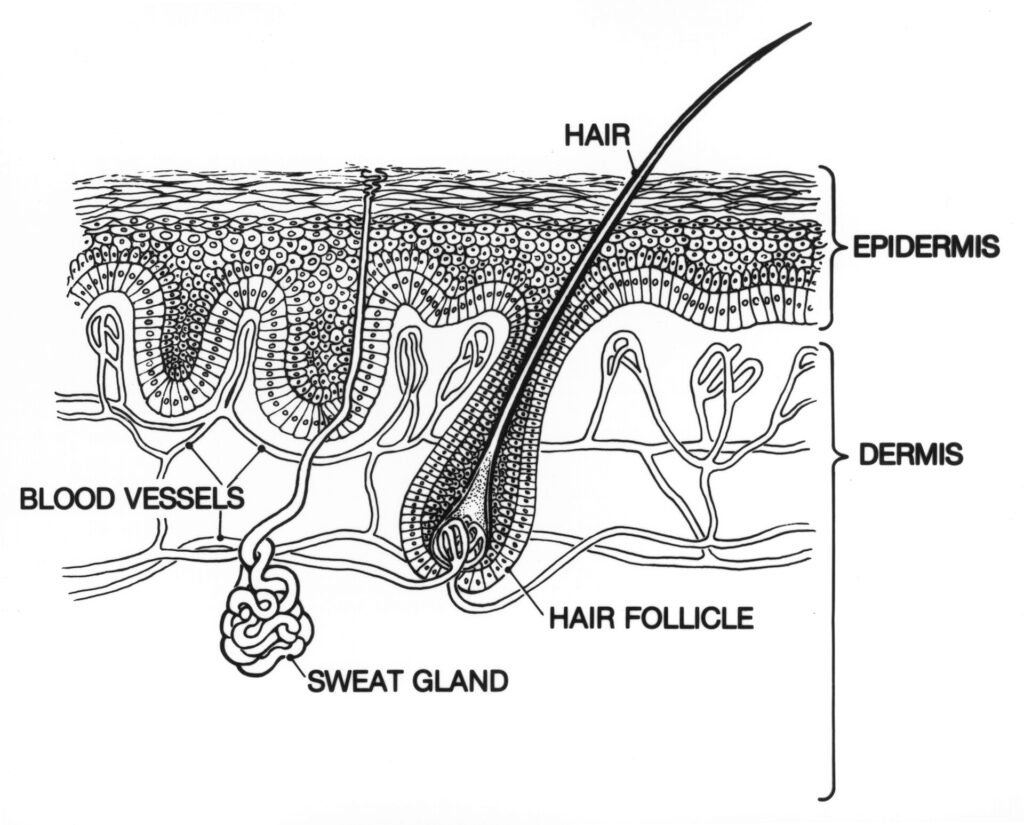
| Type | Frequency | Course | Page |
|---|---|---|---|
| Basal cell carcinoma | About 75 per cent of skin cancers | Grows slowly and destroys local tissue; metastasis is very rare | Basal cell carcinoma |
| Squamous cell carcinoma | About 20 per cent | Can spread to lymph nodes; risk depends on size, depth and immune status | This page |
| Melanoma | About 5 per cent | Controlled by surgery at an early stage; high risk of spread at later stages | Melanoma |
| Merkel cell carcinoma | Rare (under 1 per cent) | Grows fast and spreads early; sensitive to immunotherapy | This page |
Symptoms and Risk Factors
The most common sign of skin cancer is a sore that does not heal within four to six weeks, a lesion that crusts and bleeds, a shiny pearly bump or a scaly red patch. In melanoma the sign is usually a change in an existing mole or a new dark lesion, and dermatologists describe this change with the ABCDE rule. A single mole that looks different from all the others (the ugly duckling sign) also needs assessment.
- A (asymmetry)
- One half of the mole does not match the other half.
- B (border)
- The edge is irregular, notched or blurred.
- C (colour)
- Shades of brown, black, red, white or blue appear within the same mole.
- D (diameter)
- The diameter exceeds 6 mm, about the size of a pencil eraser, although smaller melanomas occur.
- E (evolving)
- The mole grows, becomes raised, itches, bleeds or changes colour; this is the most important criterion.
Ultraviolet light is the most important risk factor: childhood sunburn, outdoor occupations, sunbeds and lifetime sun exposure. Fair skin, red or blond hair, many moles, a family history of melanoma and a previous skin cancer raise the risk. People taking immunosuppressive drugs after an organ transplant have a very high risk of squamous cell carcinoma compared with the general population. Anyone with a non-healing sore or a changing mole should see a dermatologist.
Diagnosis and Staging
Skin cancer is diagnosed by dermoscopy (examination of the skin with a magnifying, illuminated instrument) followed by pathological examination of a biopsy; a suspected melanoma is removed whole with a narrow margin. The pathology report states the type, the thickness (the Breslow measurement in melanoma), ulceration and the surgical margin. Imaging is rarely needed in basal cell carcinoma. In high-risk squamous cell carcinoma an ultrasound of the lymph nodes is done, and in melanoma a sentinel lymph node biopsy is offered according to thickness, with PET-CT or CT from stage 3 onwards.
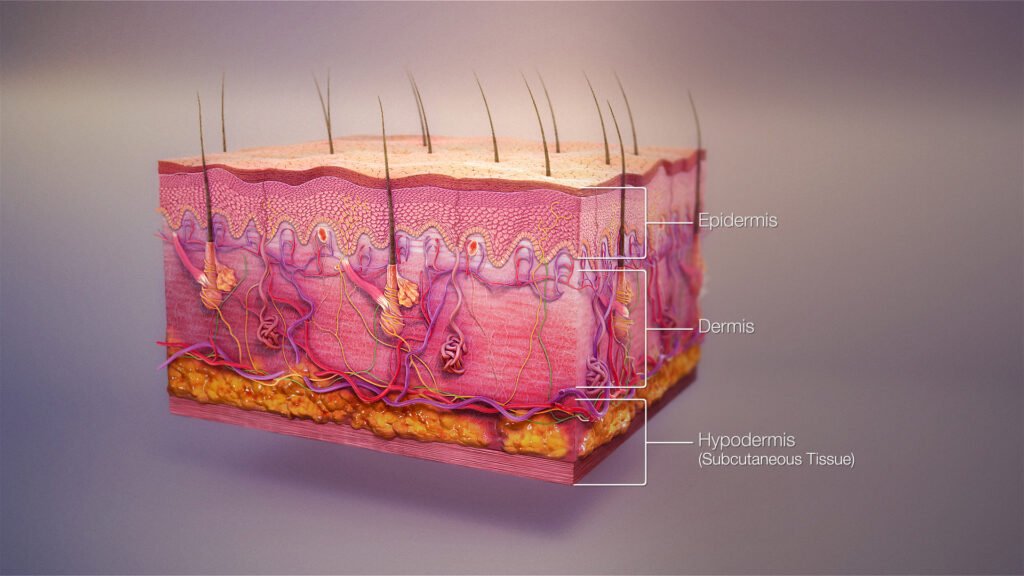
Staging follows the AJCC 8th edition TNM system, which combines the depth of the tumour, lymph node involvement and distant metastasis (spread). In melanoma, BRAF mutation testing on the tumour is mandatory in stage 3 and 4; in squamous and basal cell carcinoma, molecular testing is considered only in advanced disease when standard options are exhausted. Treatment is selected by the treating oncologist on the basis of stage, pathology and molecular findings. Patients abroad can have their histology report and staging reviewed before travelling, and the steps are set out on the treatment pathway page.
Working with Dermatology and Surgery
Diagnosis and early-stage treatment of skin cancer are carried out by dermatology, plastic surgery and, where needed, ear, nose and throat or general surgery; the medical oncologist joins the team when drug treatment is required. The large majority of basal cell carcinomas and early squamous cell carcinomas are treated by dermatology and surgery with excision, Mohs surgery (in which the margins are checked under the microscope during the operation), cryotherapy, topical creams or radiotherapy, and do not need a medical oncology opinion.
In melanoma, the surgical team performs the wide re-excision and, where indicated, the sentinel lymph node biopsy; when the pathology shows stage 2B or higher, the medical oncologist plans adjuvant treatment after surgery. In every skin cancer that cannot be operated on or has metastasised, and in Merkel cell carcinoma, the medical oncologist leads treatment. Decisions are taken at a tumour board attended by dermatology, surgery, radiation oncology, pathology and medical oncology, and follow-up is shared between these teams. For an international patient, adjuvant treatment planned in Izmir can often be continued at home once the home team has agreed the schedule and the monitoring plan in writing.
When Systemic Therapy Is Needed
Systemic therapy (drug treatment that acts throughout the body) is needed in skin cancer when the tumour cannot be controlled by surgery and radiotherapy, when it has metastasised, or when the risk of recurrence is high. In melanoma, stage 2B, 2C and 3 disease is treated after surgery with one year of anti-PD-1 immunotherapy, or with targeted therapy if a BRAF mutation is present; metastatic disease is treated with combinations such as nivolumab with ipilimumab. The principles of these drugs are explained on the immunotherapy and targeted therapy pages.
In squamous cell carcinoma of the skin, the PD-1 inhibitor cemiplimab is the first-line standard for locally advanced or metastatic disease; in its phase 2 trial about half of patients had tumour shrinkage, and pembrolizumab is approved for the same indication. In basal cell carcinoma, locally advanced or metastatic tumours unsuitable for surgery and radiotherapy are treated with hedgehog pathway inhibitors (vismodegib, sonidegib), and with cemiplimab if these fail. In metastatic Merkel cell carcinoma, avelumab or pembrolizumab is the first-line immunotherapy. Cemiplimab, pembrolizumab, nivolumab and the hedgehog inhibitors are in clinical use in Türkiye; the access status of each drug is confirmed at the consultation.
Important: The information on this page describes general principles. It does not replace a consultation or an individual treatment plan. Licensing and access to specific drugs differ between countries and are discussed at the consultation as they stand on 21 September 2026. Other cancer types are listed on the cancer types page.
Frequently Asked Questions
What are the symptoms of skin cancer?
The most common signs of skin cancer are a sore that has not healed within four to six weeks, a lesion that crusts and bleeds, or a new shiny, pearly bump. In melanoma the warning sign is a change in a mole: asymmetry, an irregular border, more than one colour, a diameter above 6 mm and any growth, itching or bleeding (the ABCDE rule). Anyone with these signs should see a dermatologist; the diagnosis is made by dermoscopy and biopsy.
Which skin cancer is most serious?
Melanoma carries the highest risk of spreading among the skin cancers and accounts for most skin cancer deaths; it is controlled by surgery when caught early but needs immunotherapy or targeted therapy once it has spread. Merkel cell carcinoma is rare but spreads quickly in a similar way. Squamous cell carcinoma can reach the lymph nodes when it is large, deep, on the head and neck, or in someone with a weakened immune system. Basal cell carcinoma almost never spreads but destroys surrounding tissue if left untreated.
Oncologist or dermatologist?
A dermatologist is the first point of contact for a suspicious skin lesion: the dermatologist examines it with dermoscopy, takes a biopsy and treats early basal cell and squamous cell carcinoma with surgery or local methods. Excision is performed by a plastic surgeon or dermatological surgeon. A medical oncologist becomes involved when drug treatment is needed: adjuvant immunotherapy after surgery for higher-risk melanoma, metastatic disease, locally advanced tumours that cannot be operated on, and rare types. These specialties make the decisions together.
Is immunotherapy used for squamous cell carcinoma?
Yes. For locally advanced or metastatic squamous cell carcinoma of the skin that cannot be controlled by surgery or radiotherapy, the PD-1 inhibitor cemiplimab is the standard first-line treatment; pembrolizumab is approved for the same indication. In the phase 2 trial about half of patients had tumour shrinkage and responses were durable. The drug is given intravenously every three or six weeks. Cemiplimab before surgery is under investigation. In organ transplant recipients, immunotherapy can cause rejection of the transplanted organ, so the decision is made with the transplant team.
Does sun protection reduce recurrence?
Yes. Regular sun protection reduces both new skin cancers and recurrence at the same site. In a randomised Australian trial, daily use of a broad-spectrum sunscreen markedly reduced squamous cell carcinoma and melanoma. Someone who has had one skin cancer has a higher risk of a second than the general population, so SPF 30 or higher, a hat, long sleeves, shade between 11:00 and 16:00 and avoiding sunbeds are advised for life. Monthly self-examination and a yearly dermatology check are part of follow-up.
Can I be assessed from abroad?
Yes. A histology report, the staging investigations and any BRAF result can be reviewed before you travel. Reports should be in English, imaging should be sent in DICOM format, and unstained slides or a tumour block can be brought so that tests such as BRAF or PD-L1 can be repeated or added. The review indicates whether systemic treatment is likely to be needed and which options would be considered, and it is followed by an in-person consultation in Izmir. Correspondence is in English.
Related Pages
Melanoma
Open the Page
Basal Cell Carcinoma
Open the Page
Immunotherapy
Open the Page
Targeted Therapy
Open the Page
Treatment Pathway
Open the Page
Cancer Types
Open the Page
International Patients
Open the PageSources and Guidelines
- Stratigos AJ et al. European interdisciplinary guideline on invasive squamous cell carcinoma of the skin: Part 2. Treatment, update 2023 (EADO, EDF, EORTC). Eur J Cancer 2023;193:113252. Link
- National Comprehensive Cancer Network. NCCN Clinical Practice Guidelines in Oncology: Squamous Cell Skin Cancer. Link
- National Comprehensive Cancer Network. NCCN Clinical Practice Guidelines in Oncology: Basal Cell Skin Cancer. Link
- National Comprehensive Cancer Network. NCCN Clinical Practice Guidelines in Oncology: Merkel Cell Carcinoma. Link
- Amaral T et al. Cutaneous melanoma: ESMO Clinical Practice Guideline for diagnosis, treatment and follow-up. Ann Oncol 2025;36(1):10-30. Link
- Migden MR et al. PD-1 blockade with cemiplimab in advanced cutaneous squamous-cell carcinoma. N Engl J Med 2018;379:341-351. Link
- Kaufman HL et al. Avelumab in patients with chemotherapy-refractory metastatic Merkel cell carcinoma (JAVELIN Merkel 200). Lancet Oncol 2016;17(10):1374-1385. Link
- Green AC et al. Reduced melanoma after regular sunscreen use: randomized trial follow-up. J Clin Oncol 2011;29(3):257-263. Link
- International Agency for Research on Cancer (WHO). GLOBOCAN 2022, Global Cancer Observatory. Link
- Cancer Research UK. Skin cancer: symptoms, types and treatment. Link