
When a Second Opinion Helps
A second opinion helps at any point where a treatment decision is hard to reverse or where more than one acceptable option exists. ASCO and NCCN patient resources recommend it particularly after a new diagnosis and before treatment begins, because confirming the diagnosis and stage at that point affects every later step. Patients in most countries have the right to ask another doctor for an opinion and to obtain a copy of their records; in Türkiye this is set out in the Regulation on Patient Rights.
- New diagnosis: the pathology and stage are confirmed and the proposed plan is checked against the ESMO and NCCN guidelines.
- Rare tumour or cancer of unknown primary: guidelines are limited, so experience with the tumour type and molecular assessment carry more weight.
- Change of treatment: when the disease has progressed or side effects force a change, the next-line options are reviewed.
- Molecular report: the alterations in a comprehensive genomic profiling report are re-read to see whether any matches a treatment, and at what evidence level.
- Clinical trial: whether the patient may be eligible for a suitable trial is assessed.
In most cases a second opinion confirms the existing plan, which lets the patient continue with better information. In a proportion of cases it adds a suggestion on stage, a biomarker or the order of treatment. How the opinion is written, and where it sits in the overall process, is explained on the cancer treatment pathway page.
Not the Illness — We Won
A patient tells the story of finishing treatment in their own words.
Documents Required
A second opinion needs the patient's complete file; an opinion based on incomplete documents is itself incomplete. The table below lists each document, the accepted format and where to obtain it. Reports sent by WhatsApp or e-mail before any consultation are reviewed in advance; slides, blocks and imaging discs are sent by courier or brought to the consultation.
| Document | Format | Where to obtain |
|---|---|---|
| Pathology report | PDF or clear photograph of the complete report, in English or with an English summary | Hospital or laboratory where the biopsy was examined |
| Pathology slides and blocks | Glass slides and paraffin blocks in a rigid box, or a digital slide scan | Pathology laboratory, on signed request; usually returned after review |
| Imaging reports | PDF; CT, MRI, PET-CT, ultrasound | Imaging centre or hospital patient portal |
| Imaging files | DICOM files on disc, USB or through a secure transfer link | Imaging centre; many provide a download link |
| Blood tests | Results from the last month, PDF | Treating hospital or patient portal |
| Discharge summary and medication list | Treatment history with dates and doses, current medicines listed by the patient | Treating hospital; written by the patient where no summary exists |
| Genetic or genomic test report | PDF; raw variant file (VCF) where available | Laboratory that performed the test |
Reports written in English are read in the original. Reports in another language are accepted with a short English summary of the diagnosis and treatment; a certified translation or apostille is not required for the medical review. How to assemble the documents is described on the preparing for your oncology appointment page, and the contact channels are on the contact page.
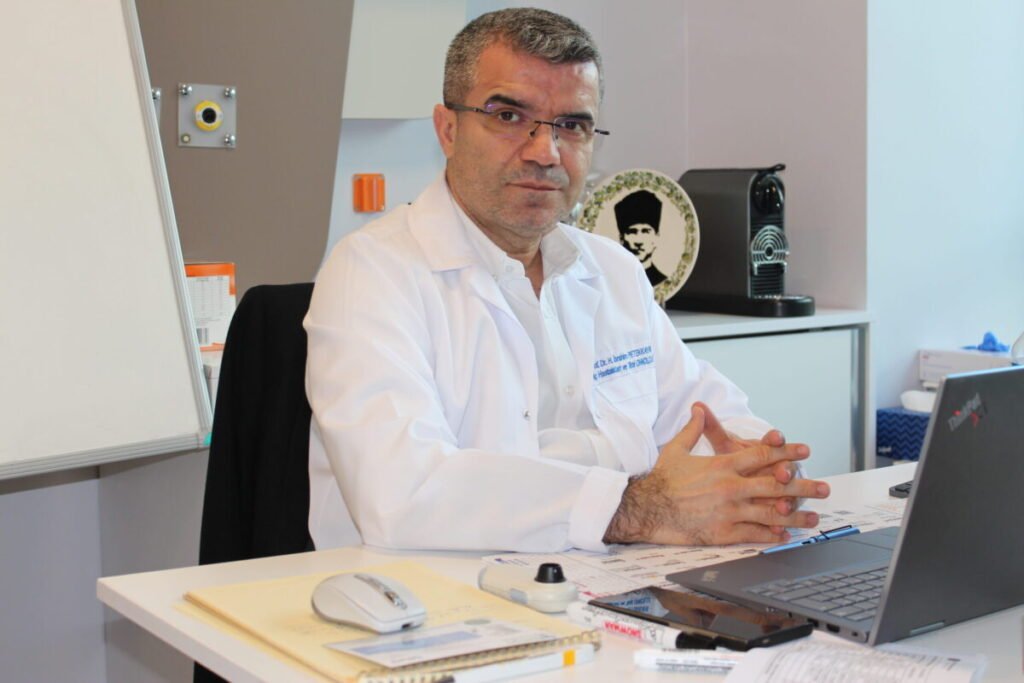
Looking at the Picture Once More
In advanced disease, general condition, current treatment, mutation profile and tumour behaviour together can change the plan; the video explains what a second review can alter.
Pathology and Imaging Review
Pathology review is the re-examination of the biopsy slides and blocks by a second pathologist; the tumour type, grade and biomarker results are confirmed, and further staining or a molecular test is done on the block if needed. The review does not mean the first pathologist was wrong; it verifies the information that determines treatment. Slides and blocks are returned to the patient afterwards, and a digital slide scan is accepted where the laboratory can provide one.
In imaging review, the reports are re-read together with the images themselves and the stage is revised where necessary; a report without images is not enough. In molecular report review, the clinical molecular oncology team classifies each variant by OncoKB and ESCAT evidence level, and the case is taken to the molecular tumour board when a matched treatment is found. Background on the test itself is on the comprehensive genomic profiling page.
- Pathology review
- Needs slides and blocks or a digital scan; the result is usually ready within one to two weeks of receipt.
- Imaging review
- Needs DICOM files; a report alone is not sufficient.
- Molecular report review
- Needs the report PDF and, where available, the raw variant file; the evidence level is stated in writing.
The Process Through a Relative’s Eyes
A patient’s partner describes how the uncertainty at the start gave way to confidence.
Remote Assessment Process
Remote assessment is the four-step process between sending the documents and receiving a written preliminary opinion. Patients living in another city or country obtain a first opinion this way, and a consultation, by video or in Izmir, is arranged only when it is needed. Correspondence is in English.
- The documents are sent by WhatsApp (+90 533 398 50 77) or e-mail (drpetekkaya@gmail.com), with the patient's name, age, diagnosis, treating hospital and country, and the question to be answered.
- The doctor reviews the reports; the molecular analysis team classifies any genomic findings. Missing documents are listed and requested.
- A written preliminary opinion is prepared: whether the diagnosis and stage are confirmed, whether the plan follows the guidelines, any suggestions, and whether an examination is needed.
- The opinion is sent to the patient and, on request, to the treating doctor. If an examination is needed, a consultation is arranged and slides, blocks and imaging files are brought or shipped.
The written opinion is usually ready within one to two weeks of the complete file being received; pathology review adds the time needed for the slides to arrive. These timings are general and are not a commitment. Practical questions for patients abroad, such as shipping, video consultations and planning a stay in Izmir, are answered on the international patients page.
Important: Remote assessment does not replace an examination. Decisions that need a physical examination, microscopy of slides and delivery of treatment are not done remotely. Health data shared for the review is used only for that purpose; see the privacy policy.
Your Relationship with Your First Doctor
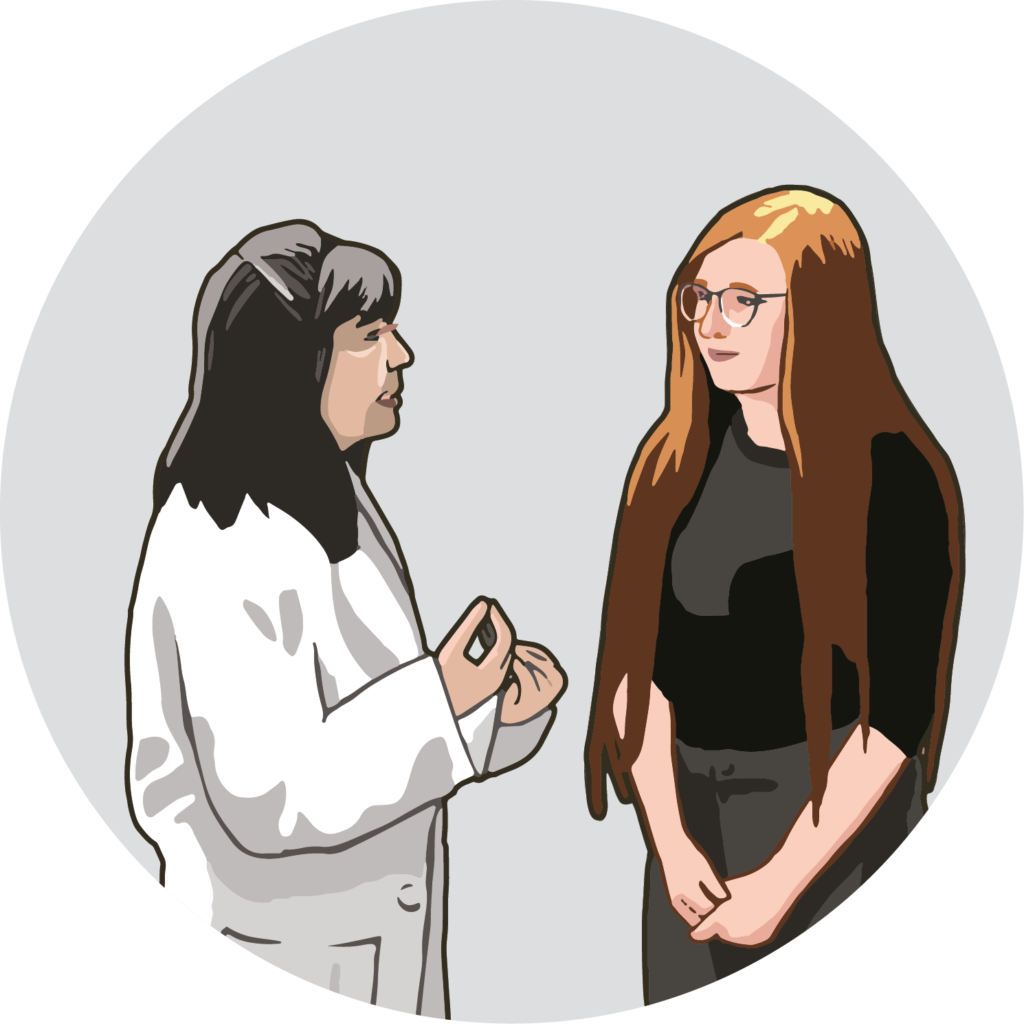
A second opinion is a second look at the same file, not a rejection of the first doctor's plan. Oncologists ask colleagues for opinions on their own patients, and a tumour board is already a joint assessment by several doctors. During a second opinion no judgement is made about another doctor or hospital; only the patient's file and the guidelines are discussed.
The written opinion belongs to the patient, who may pass it to the treating doctor; suggestions are usually incorporated into the plan by that doctor. Where treatment continues is the patient's choice: with the existing doctor, with a plan made here and cycles given at home, or in Izmir. A wider description of the process and of patient rights is in the patient guide.
Frequently Asked Questions
Will a second opinion offend my doctor?
No. A second opinion is a recognised part of cancer care and a patient's right in most health systems; it is not a rejection of the first doctor's plan. Oncologists ask colleagues for opinions on their own patients, and a tumour board is itself an opinion from several doctors. In most cases the second opinion confirms the existing plan and the patient continues with better information. No comment is made on another doctor or hospital; only the patient's file and the guidelines are discussed.
Which documents are needed?
A second opinion needs the full pathology report, imaging reports together with the images as DICOM files, recent blood tests, a discharge summary with the dates and doses of previous treatments, a current medication list and any genetic or genomic test report. Pathology slides or blocks are requested only if a pathology review is needed. Reports are sent in advance by WhatsApp or e-mail; documents in English are read in the original, and other languages are accepted with a short English summary.
How do I send pathology slides?
Slides and blocks are released by the pathology laboratory that made the diagnosis, usually on a signed request from the patient; most laboratories prepare them within a few days. Glass slides travel in a rigid slide box at room temperature, and paraffin blocks the same way; use a tracked courier and put the report copy in the parcel. Many laboratories can instead send a digital scan of the slides, which avoids shipping. Slides and blocks are returned after review, so the original archive is not lost.
Is a remote second opinion possible?
Yes. A preliminary written opinion is prepared from documents alone. Pathology, imaging, blood and molecular test reports are sent by WhatsApp or e-mail; the doctor and the molecular analysis team review them and write a preliminary opinion, and questions can be discussed by video. Remote review has limits: decisions that need a physical examination, microscopy of slides and delivery of treatment are not done remotely. In that case a consultation in Izmir is proposed and the reasons are stated.
Is the opinion given in writing?
Yes. The second opinion is a written summary in English stating whether the diagnosis and stage are confirmed, whether the current plan follows the ESMO and NCCN guidelines, and any suggested changes with the reasons. When a molecular report has been reviewed, the evidence level (ESCAT or OncoKB) is given for each option, in terms an oncologist in any country will recognise. The summary belongs to the patient and can be forwarded to the treating doctor or another centre.
Where do I continue treatment afterwards?
That is the patient's decision. If the opinion confirms the existing plan, the patient continues with the treating doctor at home. If a change is suggested, the written summary is passed to the treating doctor and the decision is taken together. A patient who wishes to may continue treatment with Prof. Dr. H. Ibrahim Petekkaya in Izmir, but this is not a condition of the opinion. A shared arrangement is also possible, with the plan made here and cycles given at home.
Related Pages

Treatment Pathway
Open the Page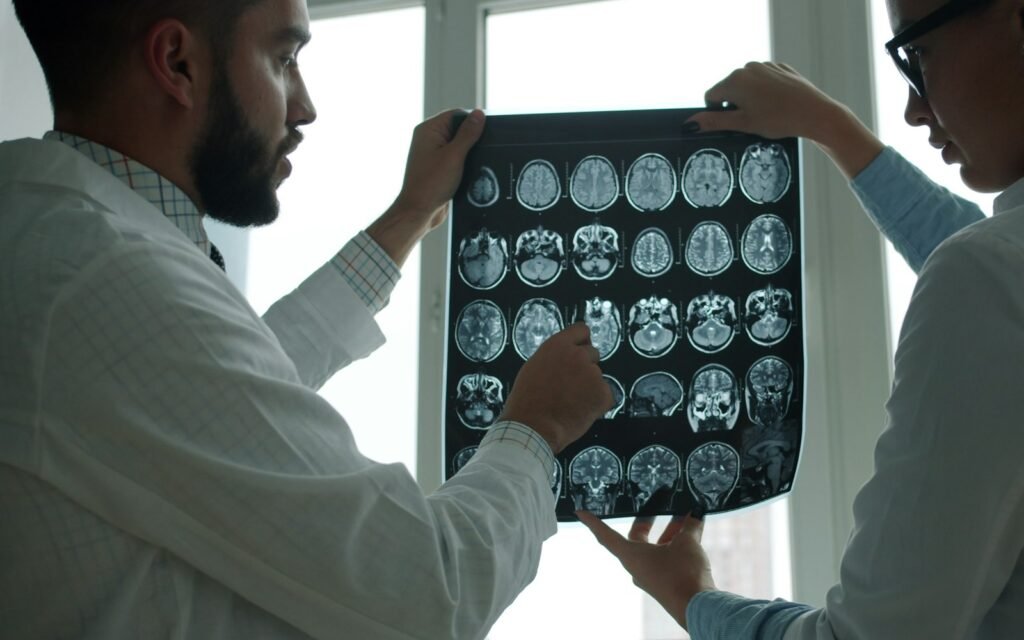
Preparing for Your Appointment
Open the Page
Molecular Tumour Board
Open the Page
Comprehensive Genomic Profiling
Open the Page
Patient Guide
Open the Page
International Patients
Open the Page
Contact
Open the PageSources and Guidelines
- American Society of Clinical Oncology. Cancer.Net: Seeking a second opinion. Link
- National Comprehensive Cancer Network. NCCN Guidelines for Patients. Link
- Cancer Research UK. Getting a second opinion. Link
- Mateo J et al. A framework to rank genomic alterations as targets for cancer precision medicine: the ESMO Scale for Clinical Actionability of molecular Targets (ESCAT). Ann Oncol 2018;29(9):1895-1902. Link
- European Society for Medical Oncology. ESMO Clinical Practice Guidelines. Link
- Republic of Türkiye Ministry of Health. Regulation on Patient Rights (right to information, to a copy of records and to a second medical opinion). Link