The Clinical Molecular Oncology and Precision Oncology Centre
How the centre at Egepol Hospital works: molecular data from the tumour is reviewed with the genetics team and treatment is planned on that basis.
Reel in Turkish · @prof.dr.petekkaya
Personalised Treatment in Cancer
A short film on why two tumours in the same organ can need different treatment, and how molecular data changes that decision.
YouTube Short in Turkish · H. İbrahim Petekkaya
How a Testing Decision Is Made
A test is requested when the result can change treatment, not for every patient. ESMO recommends broad panel testing as standard in advanced lung adenocarcinoma, cholangiocarcinoma, prostate and ovarian cancer. HER2 in breast cancer, MSI/MMR with RAS and BRAF in colorectal cancer and BRAF in melanoma are tested in every patient.
Germline testing is advised under NCCN criteria for young age at diagnosis, several cancers in one family, bilateral breast cancer and ovarian, pancreatic or metastatic prostate cancer. Findings are weighed by level of evidence rather than by number, using scales such as ESCAT and OncoKB. The drugs matched to a target are described under targeted therapy and immunotherapy.
Please note: this page describes general principles; it does not replace a consultation or an individual treatment plan. A test result does not always change treatment.
Finding a Mutation Does Not Mean There Is a Drug
More than 23,000 genes can be analysed, but not every change carries the same clinical weight. The video explains how findings are classified.
Reel in Turkish · @prof.dr.petekkaya
What Cancer Genetics Is
Genetics works like a cell’s instruction manual, and typing errors in it can give the cell the wrong command. Only about five to ten per cent of cases are inherited.
Reel in Turkish · @prof.dr.petekkaya
How the Pathway Works
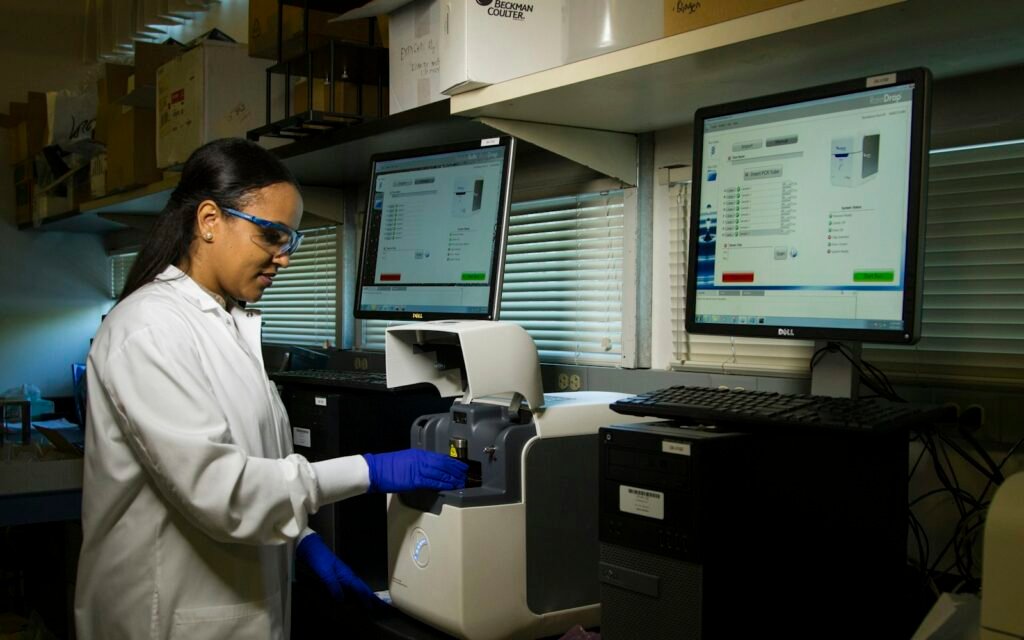
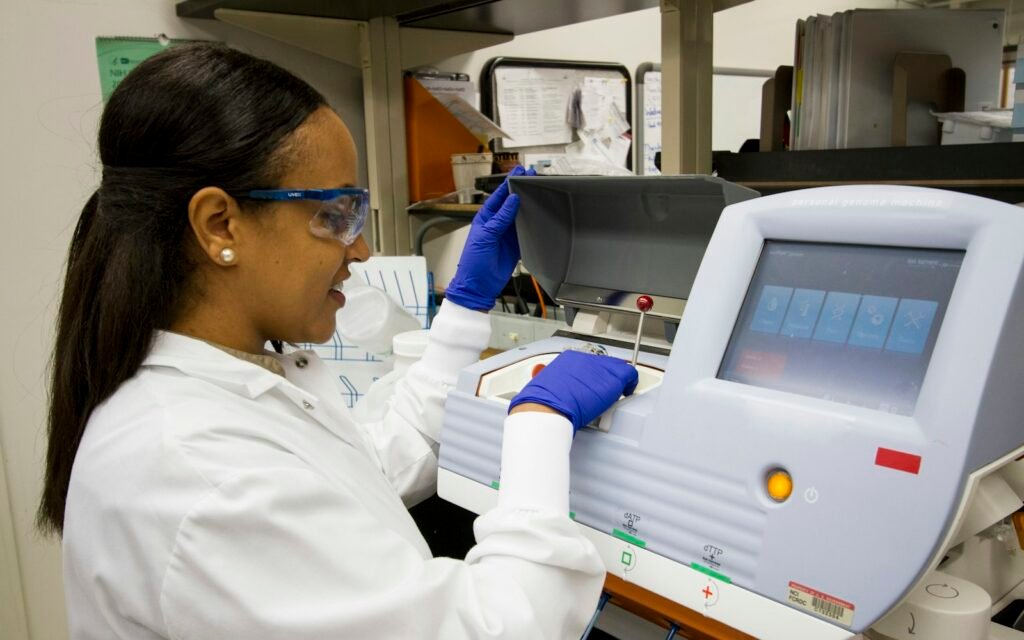
The pathway begins by deciding which test is needed. The biopsy block or a blood sample is sent to the laboratory; a multi-gene tumour panel usually reports within 10 to 14 working days and a hereditary panel within two to four weeks. In that period the interim plan rests on the pathology and staging already available.
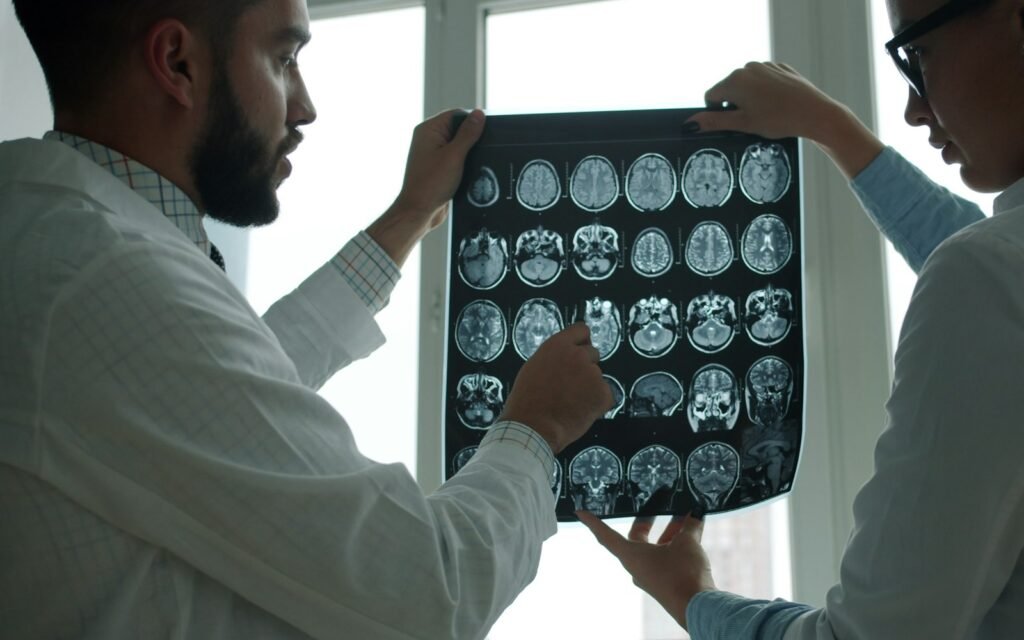
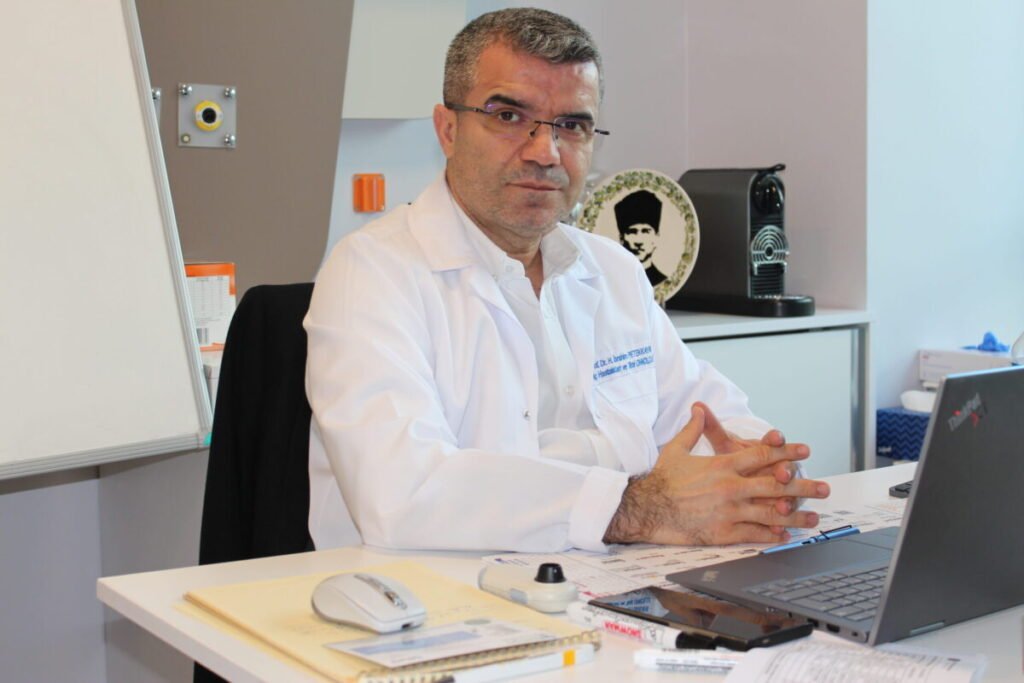
When the report arrives, the findings are interpreted alongside the clinical picture, and complex cases go to the molecular tumour board. Clinical molecular oncology work is carried out by Prof. Dr. H. Ibrahim Petekkaya with Ezel Bildik, clinical molecular oncology. Patients abroad can send reports in advance through the international patients page.
Frequently Asked Questions
What does personalised cancer treatment mean?
It means choosing treatment not only from the organ where the cancer started but from the gene alterations the tumour carries. The tumour tissue or blood is tested first, and the targeted therapy, immunotherapy or chemotherapy that matches the finding is then selected. A result does not always change treatment, but in many cancers testing is a precondition for standard care.
Is a tumour test the same as a hereditary test?
No; they answer different questions. A tumour test looks in biopsy tissue or in tumour DNA in the blood for changes present only in cancer cells that guide treatment. A hereditary test looks in blood or saliva for changes a person was born with and may pass on. Which test is requested depends on the cancer type and the family history.
Who should have genomic testing?
Under ESMO recommendations broad panel testing is standard in advanced lung adenocarcinoma, cholangiocarcinoma, prostate and ovarian cancer, while markers such as HER2, MSI, RAS or BRAF are tested in every patient with breast, colorectal, stomach cancer or melanoma. Hereditary testing is advised under NCCN criteria for young age at diagnosis and for several cancers in one family.
How long do results take?
It depends on the test. Immunohistochemistry for HER2, PD-L1 and MMR usually takes three to seven working days. A multi-gene tumour panel run by next-generation sequencing generally reports within 10 to 14 working days, and a hereditary panel can take two to four weeks. In urgent situations treatment may start before the result arrives.
Do results always change treatment?
No. ESMO and large-centre data show that in advanced disease a broad panel identifies a treatment-guiding alteration in roughly one third of patients; the proportion is higher in lung adenocarcinoma and lower in some cancers. Where no target is found, standard treatment continues, and that is also a result. A target without a licensed drug is assessed separately.
What is a molecular tumour board?
It is a meeting at which a medical oncologist, a pathologist, the molecular analysis team and, where relevant, the surgeon and clinical oncologist discuss complex results. Rare alterations, cases with several mutations and patients who have exhausted standard lines are reviewed there. The board makes a recommendation; the final decision rests with the treating doctor and the patient.
Sources and Guidelines
- Mosele MF et al. Recommendations for the use of next-generation sequencing (NGS) for patients with advanced cancer in 2024: a report from the ESMO Precision Medicine Working Group. Ann Oncol 2024;35(7):588-606. Link
- Mateo J et al. A framework to rank genomic alterations as targets for cancer precision medicine: ESCAT. Ann Oncol 2018;29(9):1895-1902. Link
- National Comprehensive Cancer Network. NCCN Guidelines: Genetic/Familial High-Risk Assessment: Breast, Ovarian, Pancreatic, and Prostate. Link
- Memorial Sloan Kettering Cancer Center. OncoKB Precision Oncology Knowledge Base. Link
- National Center for Biotechnology Information. ClinVar. Link