İçeriğe Atlayın Skip to Content

Patient Guide

A patient with a cancer diagnosis contacts a medical oncologist directly, without a referral, using the pathology report and existing tests; the process then moves through review of the reports, staging, molecular testing where needed and a tumour board discussion to a written treatment plan. This patient guide collects every step from first contact to follow-up, the documents required and the role of relatives, with notes for patients abroad.

Guide Pages

Every step from first contact to follow-up has its own page: what to send, how the assessment proceeds, and what patients coming from abroad need to arrange.

Consultation between physician and patientPathway

Treatment Pathway

The steps from the first consultation to a written plan: review of reports, staging, molecular testing and the tumour board, with typical timings.

Open the Page
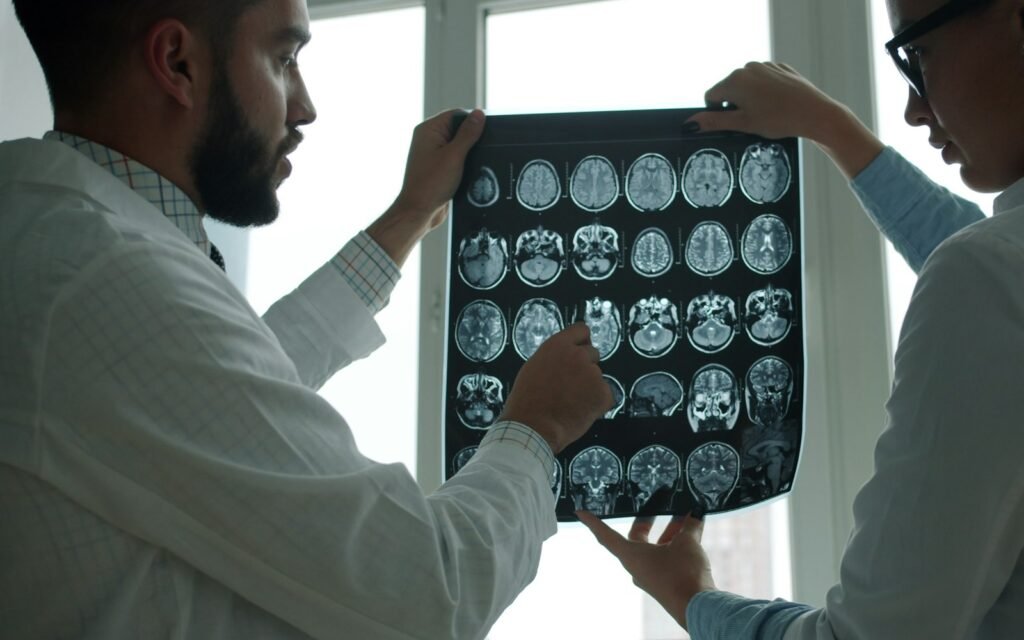
Clinicians reviewing imaging results on screenSecond Opinion

Second Opinion

A further assessment of a diagnosis or plan made elsewhere: when it helps, which documents are needed and how the review is returned.

Open the Page
Physician making notes in a patient filePreparation

Preparing for Your Appointment

The full list of what to bring: pathology blocks, imaging files, blood results, current medicines and the questions worth writing down beforehand.

Open the Page
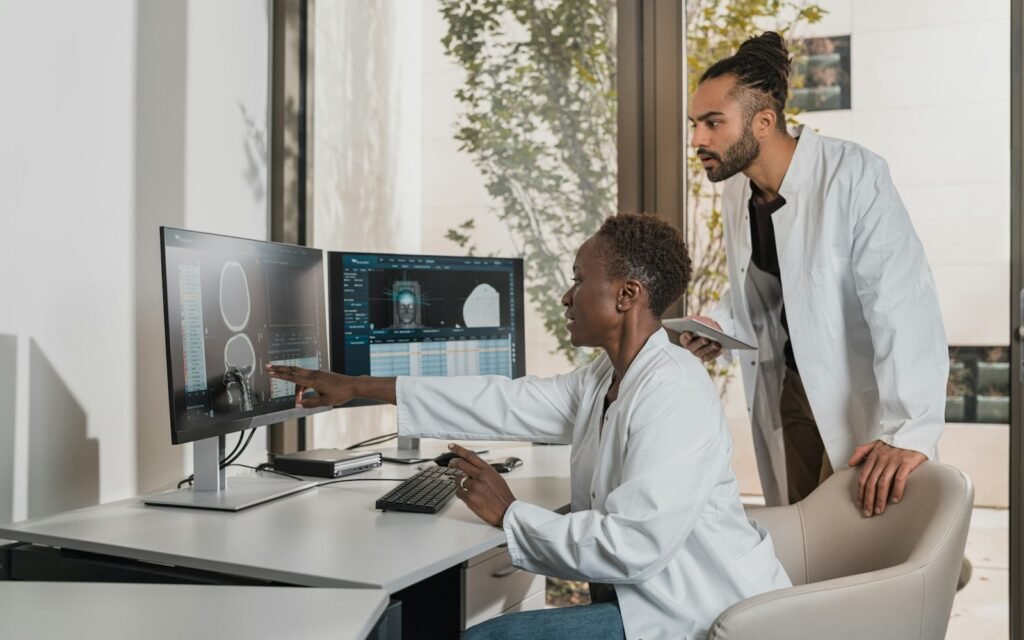
Physician reviewing a file at the deskQuestions

Frequently Asked Questions

The questions patients ask most often about diagnosis, treatment, side effects, nutrition and follow-up, answered briefly and with reference to guidelines.

Open the Page
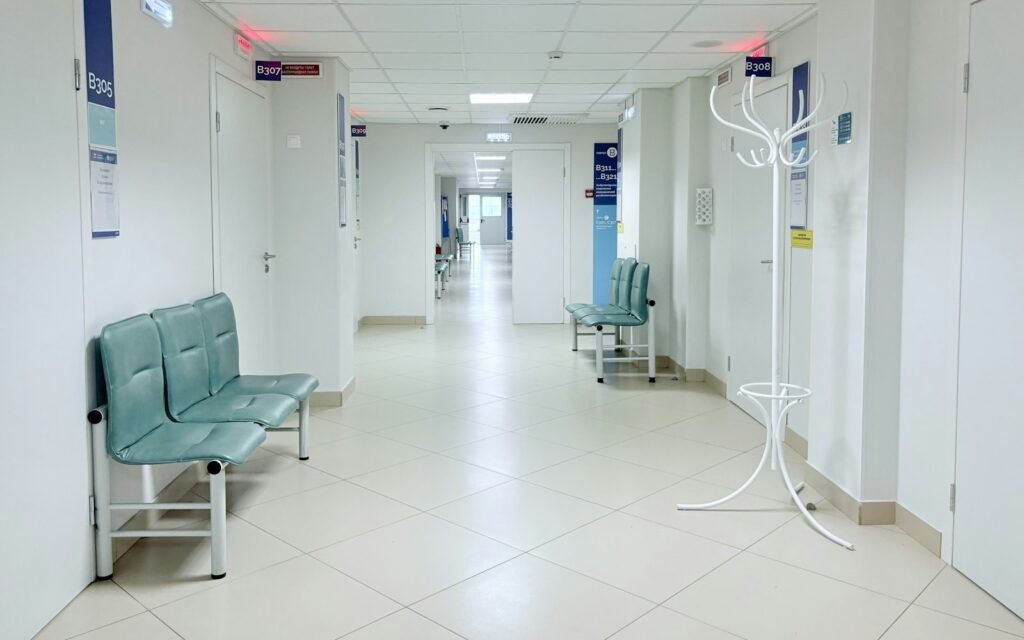
Bright hospital corridorInternational

International Patients

How patients living outside Türkiye send documents, arrange an English-language consultation and continue follow-up with their oncologist at home.

Open the Page
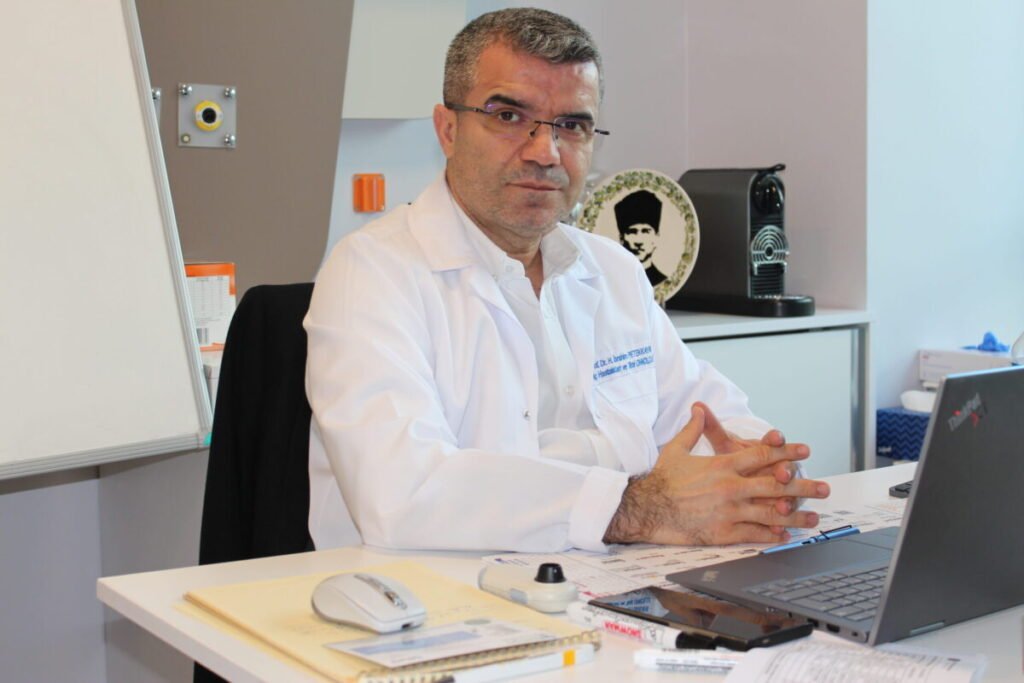
Prof. Dr. H. Ibrahim Petekkayaprof.dr.petekkayaProf. Dr. H. Ibrahim PetekkayaOpen on Instagram

What Early Detection Changes

When cancer is found early, survival improves markedly, treatment is shorter and the need for chemotherapy is often reduced.

Reel in Turkish · @prof.dr.petekkaya

How a Treatment Decision Is Made

The decision rests on the pathology report, staging imaging and, where they are needed, molecular test results, together with the patient's general condition, other illnesses and preferences. Bringing complete documents to the first consultation therefore shortens the process.

The plan is shared in writing and its aim is discussed openly. The approach used in each cancer is set out under cancer types and the drug classes under treatments. Where molecular testing is required, the process is described on the comprehensive genomic profiling page.

Please note: this page describes general principles; it does not replace a consultation or an individual treatment plan. WhatsApp and email are not suitable for emergencies.

Prof. Dr. H. Ibrahim Petekkayaprof.dr.petekkayaProf. Dr. H. Ibrahim PetekkayaOpen on Instagram

Stress, Cortisol and Immunity

Prolonged stress raises cortisol, which can suppress the immune system; the video explains the biology behind it.

Reel in Turkish · @prof.dr.petekkaya

Prof. Dr. H. Ibrahim Petekkayaprof.dr.petekkayaProf. Dr. H. Ibrahim PetekkayaOpen on Instagram

Sleep, Hormone Balance and Cellular Renewal

Sleep regulates the biological rhythm, hormone balance and cell renewal; the video covers what short sleep does through melatonin and stress hormones.

Reel in Turkish · @prof.dr.petekkaya

How the Pathway Works

There are four stages: booking and sending documents; the first consultation, where reports are reviewed and missing tests identified; molecular testing and a tumour board discussion where needed; then a written plan and regular follow-up. When the tests are complete, most plans are settled within one to two weeks, though timing varies.

A relative may attend the consultation and take notes, and the patient decides how much information is shared with family. Patients living in another city or country can send their reports in advance for a document review before travelling.

Frequently Asked Questions

Do I need a referral?

No, a referral is not needed to see a medical oncologist. A patient with a cancer diagnosis confirmed by pathology, or with a suspected diagnosis, can book directly, and so can a relative on their behalf. Patients already being treated elsewhere may also come with their existing reports. Appointments are made on WhatsApp or by email.

What should I bring to the first appointment?

Bring identification, the pathology report, any pathology slides and blocks, imaging reports and the images themselves, recent blood tests, a list of current medicines and discharge summaries from earlier treatment. Add any genomic or hereditary test reports. Documents sent ahead are reviewed before the consultation; the full list is on the preparation page.

How long does a treatment plan take?

Once the necessary tests are complete, the plan is usually settled within one to two weeks of the first consultation. If pathology and imaging are already complete, it can be discussed at that first meeting; if staging tests or molecular testing are still needed, it takes longer. Timing varies from person to person and is not a commitment.

Can a relative attend?

Yes. A relative may join the consultation and take notes; having a second person listen makes the information easier to recall afterwards. The patient decides how much of their information is shared with family, and that preference is recorded in the file. If a companion is needed, saying so when booking helps with planning.

Can my records be reviewed remotely?

Yes. Patients in another city or country can send pathology, imaging, blood and molecular test reports by WhatsApp or email, and the documents are reviewed before the consultation. A remote review does not replace an examination; a consultation is arranged for the treatment decision itself. Correspondence can be in English.

When should I go to an emergency department?

During cancer treatment a temperature of 38 °C or above, shivering, breathlessness, chest pain, vomiting or diarrhoea that will not stop, bleeding, sudden confusion and severe pain all need emergency assessment. Go to the nearest emergency department or call the local emergency number, and tell the team that chemotherapy is being given and when the last cycle was.

Sources and Guidelines

  1. National Comprehensive Cancer Network. NCCN Guidelines for Patients. Link
  2. European Society for Medical Oncology. ESMO Patient Guides. Link
  3. National Cancer Institute. Questions to Ask Your Doctor About Cancer. Link
  4. American Society of Clinical Oncology. Cancer.Net patient information: managing your care. Link
  5. Republic of Türkiye Ministry of Health. Regulation on Patient Rights. Link

Ask for an Assessment

You can contact the clinic on WhatsApp for an assessment: +90 533 398 50 77. Send your pathology and imaging reports in English by WhatsApp or email. Documents are reviewed before the consultation.