
What a Molecular Tumour Board Is
A molecular tumour board is a multidisciplinary meeting that converts a comprehensive genomic profiling (CGP) report into a treatment decision. A gene change found in tumour tissue or in blood does not by itself amount to a treatment. Three questions have to be answered together: which change matches which drug, in which cancer type that match has been proven, and whether the drug can actually be obtained. The board answers all three in writing.
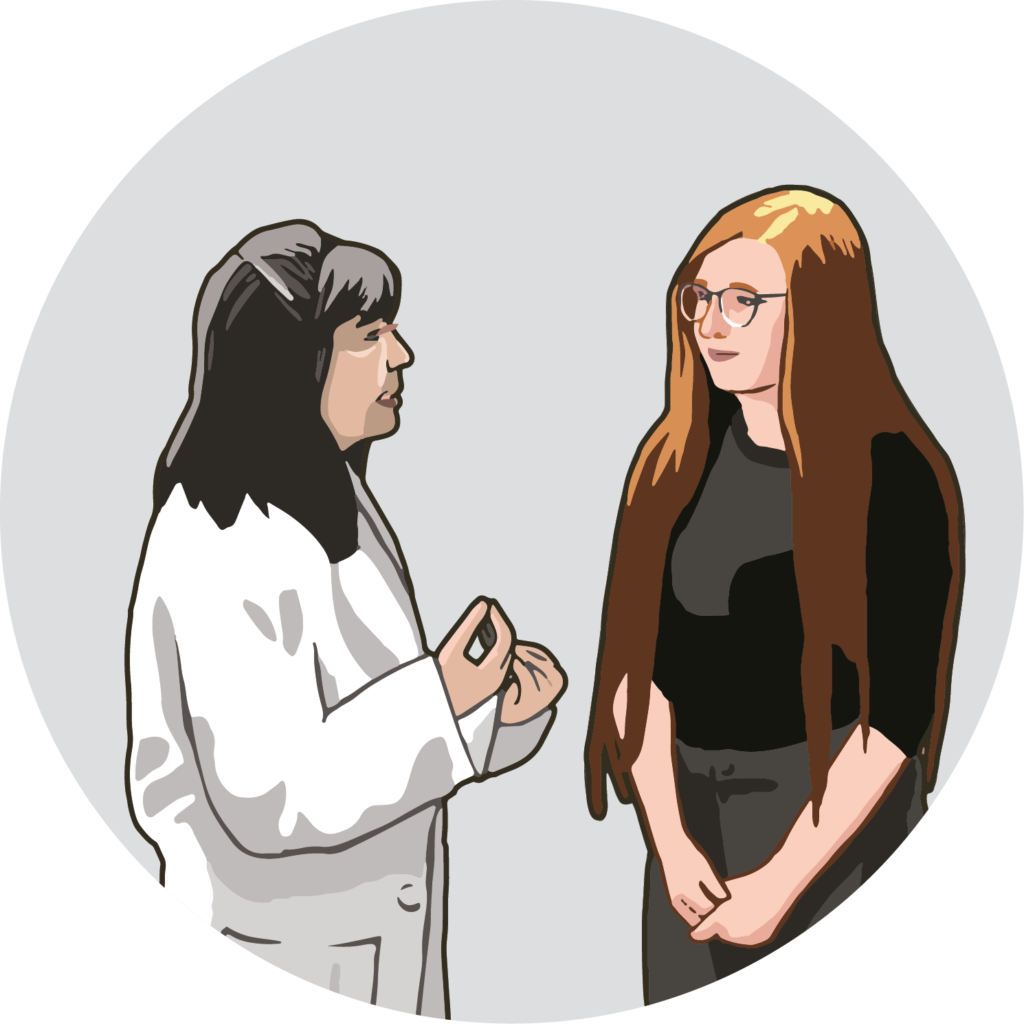
The reason such a board exists is the length and complexity of next-generation sequencing (NGS) reports, the laboratory method that reads hundreds of genes at once. A single report may list dozens of alterations across more than 300 genes; most are unrelated to treatment and some remain "variants of uncertain significance". The ESMO Precision Medicine Working Group and the Nature Reviews Clinical Oncology 2023 review both recommend that these reports are interpreted by a board rather than by one doctor working alone.
The board's job is not to prescribe but to give the treating oncologist an evidence-based recommendation. Treatment is chosen by the treating doctor according to stage, pathology and molecular findings; the board's recommendation forms the molecular part of that decision. How the test itself is performed and what the terms in the report mean is explained on the comprehensive genomic profiling page.
What the Molecular Tumour Board Gives the Patient
A comprehensive analysis can reveal many mutations, and they do not all play the same role. The video explains how passenger changes are separated from the driver that keeps the tumour growing.
Difference from a Multidisciplinary Tumour Board
A multidisciplinary tumour board and a molecular tumour board answer different questions and do not replace each other. The multidisciplinary board decides the order of surgery, radiotherapy and systemic treatment according to stage and pathology. The molecular board then asks which drug options the genomic findings open or close within that plan.
Comparison of the Two Meetings
| Criterion | Multidisciplinary tumour board | Molecular tumour board |
|---|---|---|
| Main question | In what order should surgery, radiotherapy and drug treatment be given at this stage? | Does the genomic report contain a treatable target, and what is the evidence level? |
| Input | Pathology report, imaging, stage, general condition | NGS report, raw variant list, pathology, previous treatments |
| Participants | Surgeon, radiation oncologist, medical oncologist, pathologist, radiologist | Medical oncologist, pathologist, molecular analysis team, clinical geneticist, relevant surgeon when needed |
| Which patients | Almost every newly diagnosed patient and every change of treatment line | Rare tumours, exhausted standard options, a target found on testing, suspected inherited change |
| Output | Treatment sequence and who delivers each part | Drug recommendation ranked by evidence level, plus the off-label or clinical-trial route |
| Timing | After diagnosis and at each change of treatment line | After the genomic report arrives |
In practice the two meetings follow each other. The patient is discussed first at the multidisciplinary board and a standard plan is set; if genomic testing has been requested, the case goes to the molecular board when the report arrives. The molecular recommendation returns to the treating doctor and the main plan is updated where needed. The whole sequence is shown step by step on the cancer treatment pathway page.
Not Every Mutation Means a Targeted Drug
The board first asks whether the change drives the cancer, then whether it can be targeted with a drug; the work is more than reading the mutations listed in a report.
Who Takes Part
Members of a molecular tumour board are defined by role, and each role reads a different layer of the report. The core is the medical oncologist, the pathologist and the molecular analysis team; a clinical geneticist and the relevant surgeon or radiation oncologist join according to the case. ESMO recommends that the board covers at least these four areas.

- Medical oncologist
- Presents the patient's clinical situation, previous treatments and the goal of treatment. Combines the board's recommendation with the patient's general condition and drug access, takes the final decision and explains it to the patient.
- Pathologist
- Confirms the tumour type, the proportion of tumour cells in the sample and whether the sample was adequate for testing. Decides on re-examination of the tissue if a result is unexpected.
- Molecular biologist (molecular analysis team)
- Analyses the NGS panel report and the raw variant list; classifies each variant in OncoKB, ClinVar and cBioPortal. Presents which alterations match a treatment and at what evidence level.
- Clinical geneticist
- Joins when the tumour report raises suspicion of an inherited (germline) change. Decides whether germline testing, family screening and genetic counselling are needed.
- Relevant surgeon and radiation oncologist
- Give an opinion when the molecular recommendation interacts with a local treatment or when a new biopsy is required.
Which Patients Are Discussed
A molecular tumour board is not convened for every patient; it meets when genomic testing has a realistic chance of changing treatment. The ESMO 2024 NGS recommendations advise routine comprehensive genomic profiling in advanced non-small cell lung cancer, cholangiocarcinoma, prostate cancer and ovarian cancer, and in other tumour types once standard options have been used. The board works within that framework.
- Patients with a rare tumour or a cancer of unknown primary, where guidelines are limited and a molecular finding may direct treatment.
- Patients whose standard treatment lines have been used and who remain fit for further drug treatment.
- Patients whose report shows an alteration matched to a targeted therapy; the board grades the strength of that match.
- Patients whose report suggests an inherited change, in which case hereditary cancer risk assessment is considered.
- Patients for whom eligibility for a clinical trial needs to be assessed.
A test result does not always change treatment. The Nature Reviews Clinical Oncology 2023 review reports that a matched treatment is identified in roughly one third of patients discussed, and that a smaller proportion actually receives it. The value of the board lies in stating clearly which patients have a match and which do not; "no recommendation" is a legitimate outcome.
Important: This page describes general principles and does not replace a consultation or an individual treatment plan. Off-label drugs and clinical trials are matters for assessment only; nothing here means that a particular drug or trial will be available to every patient.
How the Board Works With the Genetics Team
The first step is to judge the reliability of the test itself: whether the DNA and RNA analyses were run at sufficient quality and whether the data can be interpreted clinically.
Process and Written Outcome
The process begins when the genomic report arrives and ends when the written recommendation reaches the patient. It has five steps, each with a named person responsible.
- Case preparation: the medical oncologist writes a clinical summary covering diagnosis, stage, previous treatments and the goal of treatment; pathology and imaging reports are attached.
- Variant analysis: the molecular analysis team reviews the report and, where available, the raw variant file, and classifies each alteration by OncoKB level and the ESMO ESCAT scale.
- Board meeting: the case is presented; matched treatments are ranked by evidence level and the access route (licensed, off-label or clinical trial) is identified.
- Written recommendation: the outcome is recorded as a one-page summary with the evidence level and reasoning, and filed in the patient record.
- Communication: the medical oncologist explains the recommendation at a consultation; the summary is given to the patient and, on request, to the patient's own oncologist.
What the Evidence Level Means
ESCAT (the ESMO Scale for Clinical Actionability of molecular Targets) ranks how well a gene-drug match has been proven, in six tiers. Tier I means a licensed, guideline-supported match in that cancer type; tier II covers matches shown in early trials in that cancer type; tier III means benefit shown in a different cancer type; tier IV rests on laboratory evidence only; tier V means the drug shrinks the tumour but has not been shown to help patients live longer or better; and tier X means there is no evidence the finding is treatable. OncoKB uses a comparable ladder of levels 1 to 4 plus resistance levels. Every drug in the board's recommendation carries its level, so that the patient and any oncologist abroad can see at once whether an option is guideline-supported or investigational.
Off-Label and Clinical Trial Routes
If the matched drug is not licensed in Türkiye for the patient's cancer type, the treating doctor may apply to the Turkish Medicines and Medical Devices Agency for off-label use; the board prepares the scientific rationale. If the drug is available only within a study, the patient may be directed to a suitable clinical trial, with eligibility criteria and centre details noted in the summary. Both routes are matters for assessment; the outcome of an application and acceptance into a trial cannot be known in advance.
Clinical Molecular Oncology Team
Prof. Dr. H. Ibrahim Petekkaya works with Ezel Bildik, clinical molecular oncology. She analyses NGS panel reports, classifies variants in the OncoKB, ClinVar and cBioPortal databases and prepares the case file for the molecular tumour board. Writing the rationale for off-label applications and screening for clinical trial eligibility are also part of the team's work.
The team does not diagnose or treat; medical decisions and patient consultations belong to the doctor. Reports generated elsewhere are examined by the same method, which is why a second opinion in oncology on a genomic test from another centre starts with this preliminary review. Reports written in English are read in the original; reports in other languages are accepted with an English summary. The other pages on this subject are collected under precision oncology, and the practical steps for sending documents from abroad are on the international patients page.
Genomic data is special-category personal data. Reports and raw data files are used only for the assessment, are not shared with third parties and are retained for the period stated in the privacy policy.
Frequently Asked Questions
How does a molecular tumour board differ from a multidisciplinary tumour board?
A multidisciplinary tumour board decides the order of surgery, radiotherapy and drug treatment for a patient, based on stage and pathology. A molecular tumour board asks a narrower question: does the genomic report contain a change that matches a treatment, and how strong is the evidence for that match. The first meeting builds the treatment plan; the second places the genomic findings inside it. Most patients are discussed only at the multidisciplinary board.
Is the board's decision binding?
No. The board issues a recommendation, not an order. The treating medical oncologist makes the final decision together with the patient, taking into account general health, other illnesses, access to the drug and the patient's own wishes. The recommendation is filed in writing, and if the treating doctor departs from it the reason is recorded. Because each option is graded by evidence level, doctor and patient can see which options are guideline-supported and which are investigational.
Does the patient attend the meeting?
No, the patient does not attend. The meeting takes place between the doctors and the molecular analysis team, and the case is presented without identifying details, using the pathology, imaging and genomic reports. The treating doctor explains the outcome to the patient and family at the next consultation, and a written summary is given to the patient. Questions sent to the doctor before the meeting are raised on the patient's behalf.
How quickly does the board meet?
The board usually meets within one to two weeks of the genomic report arriving; preparing the case file and classifying each variant in the reference databases takes most of that time. Cases that need a rapid start of treatment are handled first. The laboratory turnaround for the test itself is separate and is typically two to four weeks from sample dispatch to report. Exact timings are given by the treating doctor and are not a commitment.
How are off-label applications made?
When a matched drug is not licensed in Türkiye for the patient's cancer type, the treating doctor applies to the Turkish Medicines and Medical Devices Agency for off-label use. The application contains the diagnosis, stage, previous treatments, the genomic report and the published evidence supporting the drug for that alteration. The molecular tumour board prepares the scientific rationale and the evidence grade; the doctor signs the application. Approval rests with the agency and cannot be predicted.
Can my case be reviewed remotely?
Yes. Patients treated in another city or country can send the pathology report, the genomic test report as a PDF and, where available, the raw variant file, the imaging reports and a treatment summary by WhatsApp or e-mail in English. The molecular analysis team carries out a preliminary review and, where appropriate, presents the case at the board. The written recommendation is sent to the patient and, on request, to the patient's own oncologist. Decisions that need a physical examination are not made remotely.
Related Pages
Precision Oncology
Open the Page
Comprehensive Genomic Profiling
Open the Page
Hereditary Cancer Risk Assessment
Open the Page
Targeted Therapy
Open the Page
Second Opinion
Open the Page
Treatment Pathway
Open the Page
International Patients
Open the Page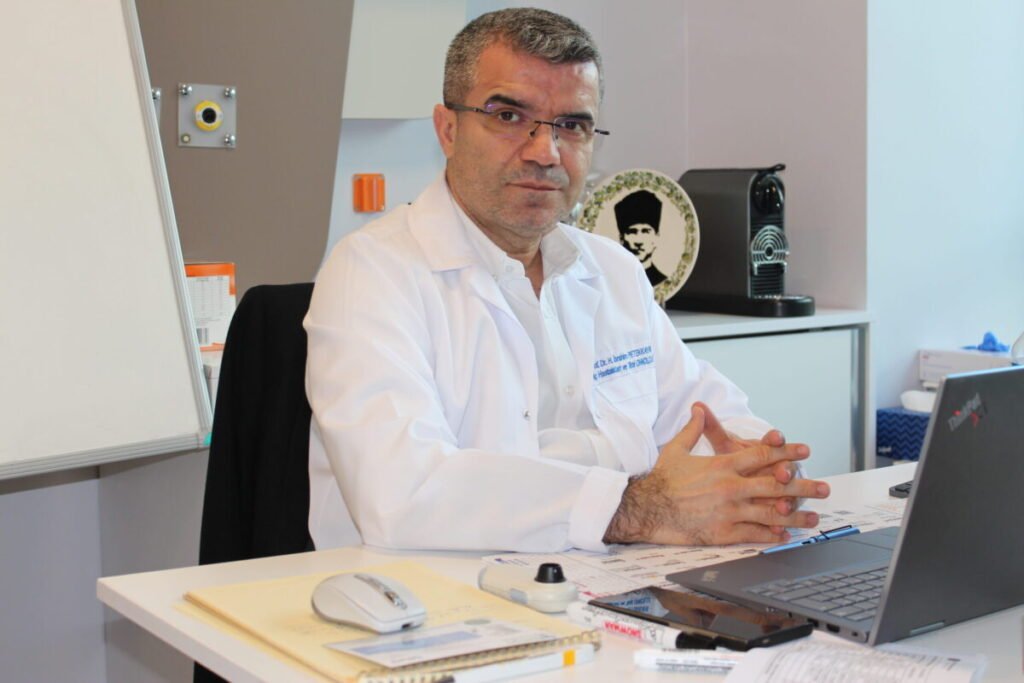
Prof. Dr. H. Ibrahim Petekkaya
Open the PageSources and Guidelines
- European Society for Medical Oncology. ESMO Precision Medicine Working Group: resources and recommendations. Link
- Mosele MF et al. Recommendations for the use of next-generation sequencing (NGS) for patients with advanced cancer in 2024: a report from the ESMO Precision Medicine Working Group. Ann Oncol 2024;35(7):588-606. Link
- Mateo J et al. A framework to rank genomic alterations as targets for cancer precision medicine: the ESMO Scale for Clinical Actionability of molecular Targets (ESCAT). Ann Oncol 2018;29(9):1895-1902. Link
- npj Precision Oncology (Nature Portfolio), 2025. Publications on national molecular tumour board platforms and their outcomes. Link
- Tsimberidou AM et al. Molecular tumour boards: current and future considerations for precision oncology. Nat Rev Clin Oncol 2023;20:843-863. Link
- Chakravarty D et al. OncoKB: A Precision Oncology Knowledge Base. JCO Precis Oncol 2017;1:1-16. Link
- National Comprehensive Cancer Network. NCCN Clinical Practice Guidelines in Oncology. Link
- Turkish Medicines and Medical Devices Agency (TITCK). Off-label drug use applications. Link