
Who This Page Is For
This page is for adults living outside Türkiye who have a cancer diagnosis and want a medical oncologist's assessment of their treatment options, whether as a second opinion on an existing plan or as a starting point for treatment in Izmir. It also serves relatives who are gathering information on a patient's behalf. Prof. Dr. H. Ibrahim Petekkaya assesses adult solid tumours: breast, lung, gastrointestinal, skin and gynaecological cancers, glioblastoma and sarcomas; the full list is in the cancer types section.
The page describes the process at document level: what is reviewed, what you receive, how long you would need to stay for each kind of treatment and how follow-up is shared with your oncologist at home. It does not compare countries or hospitals, and it does not publish fees. Treatment is chosen by the physician on the basis of stage, pathology and molecular findings for each individual patient.
How the Remote Assessment Works
The remote assessment is a review of your medical records by the physician before you decide whether to travel. It follows five steps, from first contact to a written opinion, and only the last step requires you to be in Izmir. The steps are the same for a first assessment and for a second opinion.
| Step | What happens | Who does it |
|---|---|---|
| 1. First contact | You write to +90 533 398 50 77 on WhatsApp or to drpetekkaya@gmail.com in English, with your name, age, diagnosis, the country and centre where you are being treated, and the documents listed below. | Patient or relative |
| 2. Records review | The physician reviews the pathology, imaging and treatment history. If a next-generation sequencing (NGS) report is included, the clinical molecular oncology team classifies the variants first and the case may be discussed at the molecular tumour board. | Physician; molecular oncology team where relevant |
| 3. Written opinion | You receive a written opinion in English: the diagnosis as understood from the records, the stage, the treatment options according to current ESMO and NCCN guidelines, any missing tests, and whether a visit is needed. A video call can be arranged to discuss it. | Physician |
| 4. Decision and planning | If you choose to come to Izmir, the hospital's international office confirms dates, issues an appointment letter for your visa application if needed, and provides fee information for the proposed plan. | Patient; hospital international office |
| 5. Visit and treatment | Consultation and examination, any tests still needed (for example a biopsy review or comprehensive genomic profiling), then treatment. At the end of the visit you receive a transfer summary for your oncologist at home. | Physician; hospital |
The written opinion is based on records only. Some findings can only be assessed in person, such as the general condition of the patient or a physical examination, and the opinion states this where it matters. The path from the first consultation to a treatment plan is described in more detail on the treatment pathway page.
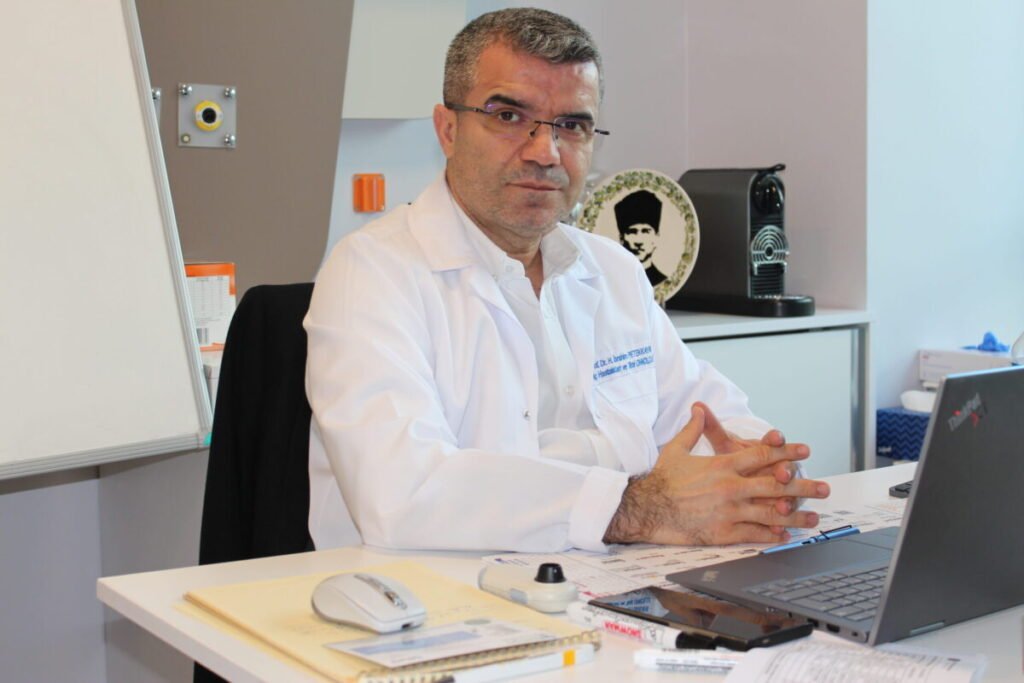
What Tissue and Liquid Biopsy Say Together
In cancer diagnosis, analyses from both tissue and blood are read together; a small sample reveals the genetic map and biological behaviour of the disease.
What to Send Before First Contact
A complete set of documents is the single biggest factor in how quickly a written opinion can be given. Documents in English or Turkish are accepted as they are; documents in other languages should be accompanied by an English translation, which does not need to be certified for the review itself. Photographs of reports are acceptable for WhatsApp; PDF files by email are easier to read.
| Document | What it should contain | Why it is needed |
|---|---|---|
| Pathology report | The biopsy or surgical pathology report, including immunohistochemistry results (for example ER, PR, HER2, PD-L1, MMR proteins) and any molecular findings. | Confirms the diagnosis and subtype; the treatment plan cannot be assessed without it. |
| Imaging | Reports of the most recent CT, MRI or PET-CT, and the images themselves as DICOM files on a disc or through a download link. | Shows the stage and the extent of disease; images allow the physician to look beyond the written report. |
| Blood tests | Full blood count, kidney and liver function, and tumour markers from the last three months. | Shows fitness for treatment and provides a baseline. |
| Treatment summary | Discharge letters or a summary listing every treatment so far, with drug names, doses, dates, response and side effects. | Determines which options remain and which have already been used. |
| Medication list | All current medicines, including those for other conditions, and any supplements. | Needed to check for interactions with cancer drugs. |
| Molecular test report | Any next-generation sequencing, liquid biopsy or hereditary (germline) test report, in full, including the variant table. | Allows the molecular oncology team to classify the variants and match them to treatment options. |
If a molecular test has not yet been done and the written opinion recommends one, comprehensive genomic profiling can be carried out on your existing tumour block in Izmir or, in some situations, on a blood sample. The block can be sent by courier from your home pathology department; the hospital's international office gives the postal address and the shipping conditions. A checklist for the visit itself is on the preparing for your appointment page.
What Determines the Cost of Cancer Treatment in Turkey
No fees are published on this website; fee information is provided by the hospital, after the records review and for each patient individually. What can be explained here is which factors determine the amount, so that you can read an estimate with understanding and compare it with the plan proposed in the written opinion.
- Type of treatment
- Chemotherapy, targeted therapy, immunotherapy and hormonal therapy differ widely in the drugs used. The drug itself is usually the largest single item for targeted therapy and immunotherapy.
- Number of cycles and duration
- A plan of four cycles differs from a plan of twelve, and treatment that continues for as long as it works, as in metastatic disease, is estimated per cycle rather than as a total.
- Tests
- Comprehensive genomic profiling, pathology review of the original block, PET-CT and repeat scans are itemised separately. Tests already done at home and available in full are not repeated without a reason.
- Inpatient or outpatient
- Most systemic treatment is given in the outpatient day unit. Admission is needed only for some regimens or complications, and it changes the estimate.
- Where treatment continues
- If the plan is to start in Izmir and continue at home, the estimate covers the assessment and the cycles given in Izmir only.
Ask the international office for the estimate in writing, with the items it includes and excludes, and keep it together with the written opinion. If the plan changes, for example after a molecular test result, the estimate is updated. The hospital handles payment and documentation; the physician's role is the medical plan.
When Disease Progresses Faster Than Expected
Where standard treatment is not holding the disease, reading the tumour’s genetic profile helps explain why and what can be done next.
Language and Communication
Consultations with Prof. Dr. H. Ibrahim Petekkaya are held in English or Turkish. All written correspondence, the written opinion and the transfer summary for your home oncologist are provided in English. Reports in English or Turkish need no translation. For other languages, interpretation may be arranged through the hospital's international office; availability is confirmed when the appointment is booked, so please say which language you need at first contact.
Written messages on WhatsApp and email are read during working hours, Turkish time (UTC+3), and answered usually within one to two working days. These channels are not for emergencies. During your stay, questions about the treatment plan go to the physician at consultations, and practical questions to the international office. Dietary requirements, religious observance and the presence of a companion are taken into account in planning if you tell the clinic about them.
Travelling to Izmir
Izmir is on the Aegean coast of western Türkiye. Izmir Adnan Menderes Airport (ADB) is roughly 20 km south of the city centre, with direct flights from many European cities and frequent connections through Istanbul. From the airport, taxis, pre-booked transfers and the İZBAN suburban railway with a metro connection reach Konak, the central district where Egepol Hastanesi is located, at Güneşli Mah. 507 Sok. No:3. Directions are on the contact page.
Accommodation is arranged by the patient; most patients stay in or near Konak, within a short taxi ride of the hospital, and the international office can point you to nearby options. Whether you need a visa depends on your nationality; many nationalities apply for an e-Visa online and others through a Turkish consulate. The hospital issues an appointment letter for the application once dates are agreed.
How Long You Would Need to Stay
The length of stay depends on the treatment. For a first assessment with tests, three to five working days are usually enough. Intravenous chemotherapy is commonly given in cycles of two or three weeks; a patient who receives the first cycle in Izmir and is observed for side effects typically stays about one week, and then either returns for each cycle or continues at home. Immunotherapy with immune checkpoint inhibitors is given every two, three, four or six weeks depending on the drug, which allows longer intervals at home. Oral targeted therapy and hormonal therapy usually need a stay of one to two weeks for the first cycle and the first safety checks, after which treatment continues at home with remote follow-up.
Flying Between Treatment Cycles
Flying between cycles is generally possible when the blood count has recovered and there are no active side effects; the physician confirms this at the end of each cycle and can provide a fit-to-fly letter. Long flights increase the risk of blood clots, which is already higher in people with cancer, so walking during the flight, hydration and, where advised, compression stockings or a preventive injection are discussed before travel. Carry your treatment summary, medication list and the clinic's contact details in your hand luggage, and bring medicines in their original packaging with a copy of the prescription.
Continuing Treatment at Home
When treatment starts in Izmir and continues at home, you receive a transfer summary in English for your home oncologist. It contains the diagnosis, stage, pathology and molecular findings, the regimen with drug names (generic), doses and dates, side effects observed and how they were managed, the follow-up plan with the timing of scans and blood tests, and the clinic's contact details for questions. Continuation always depends on your home oncologist agreeing to give the regimen. Most drugs licensed by the European Medicines Agency or the United States Food and Drug Administration are also licensed in Türkiye by the Turkish Medicines and Medical Devices Agency (TİTCK), though the timing of licensing can differ; where a drug is not yet licensed, access is possible only through the named-patient import procedure, which is a matter for assessment rather than a promise.
Insurance and Documentation
Planned treatment in Türkiye is normally paid for by the patient directly to the hospital. The European S2 route for planned treatment in another country applies only within the European Union, the European Economic Area and Switzerland, and does not cover Türkiye; the National Health Service in the United Kingdom does not fund planned treatment here either. Some private health plans agree to cover treatment abroad if it is authorised in advance; ask your insurer in writing, and send them the written opinion and the hospital's estimate.
Standard travel insurance covers unexpected illness on a trip and generally excludes planned treatment and complications of a known cancer diagnosis, so read the policy wording before travelling. For reimbursement claims and for your records, the hospital provides an itemised invoice, a medical report and the transfer summary in English. Bring your passport, your visa if required, the appointment letter and your home insurance details to the first visit.
Your data: Health information you send is processed under the Turkish Personal Data Protection Law (KVKK), which treats health and genetic data as special categories requiring explicit consent. Records are used only for your assessment and treatment and are shared with your home oncologist only at your request. Details are in the privacy policy.
Questions about the physician's training and current post are answered on the Prof. Dr. Ibrahim Petekkaya page. In an emergency during your stay, go to the nearest emergency department or call 112, the national emergency number, which is free from any phone.
Frequently Asked Questions
What documents do I need?
For the remote review, send the pathology report including immunohistochemistry, the reports of your most recent scans (CT, MRI or PET-CT) with the images as DICOM files if possible, blood results from the last three months, a treatment summary or discharge letters listing every treatment so far with dates, your current medication list and any molecular test report. Documents in English or Turkish are accepted as they are; other languages need an English translation.
How long does the first assessment take?
Once the documents are complete, the records review is usually finished within a few working days and a written opinion is sent by email. If a next-generation sequencing report is included, the clinical molecular oncology team reviews it first, which can add a few days. The time depends on how complete the documents are; missing pathology or imaging is the most common reason for delay. No fixed turnaround is promised, and urgent situations are flagged when you first write.
Can I get a second opinion online?
Yes. A second opinion can be given entirely remotely: your reports are reviewed, the existing plan is compared with current ESMO and NCCN guidelines, and you receive a written summary that you can share with your own oncologist. A video call can be arranged to discuss it. A second opinion is your right and does not mean rejecting your current doctor's plan. A physical examination and some tests can only be done in person, and the written opinion says so where this matters.
How do I get a cost estimate?
Fee information is provided by the hospital, after the records review and for each patient individually; no fees are published on this website. Once the written opinion sets out which tests, drugs and number of cycles are proposed, the hospital's international office prepares an itemised estimate on that basis. The estimate changes if the plan changes, for example after a molecular test result. Ask for the estimate in writing and check what it includes before you travel.
Which languages are available?
Consultations with Prof. Dr. H. Ibrahim Petekkaya are held in English or Turkish, and all written correspondence, including the treatment summary for your home oncologist, is provided in English. Interpretation for other languages may be arranged through the hospital's international office; availability is confirmed when the appointment is booked, so please say which language you need at first contact. Reports in English or Turkish need no translation.
How do I reach Izmir?
Izmir Adnan Menderes Airport (ADB) has direct flights from many European cities and frequent connections through Istanbul. The airport is roughly 20 km south of the city centre; taxis, pre-booked transfers and the İZBAN suburban railway with a metro connection reach Konak, the central district where Egepol Hastanesi is located, at Güneşli Mah. 507 Sok. No:3. Most patients stay in or near Konak. Accommodation is arranged by the patient; the hospital can point you to nearby options.
Can treatment start in Turkey and continue at home?
In many cases, yes. Oral targeted therapy and hormonal therapy can usually be continued at home once the first cycle has been given and tolerated; intravenous chemotherapy and immunotherapy can be transferred to a home centre that is willing and able to give the same regimen. For this purpose you receive a written transfer summary in English with the diagnosis, molecular findings, regimen, doses, dates, side effects and the follow-up plan. Continuation always depends on your home oncologist's agreement.
Is Egepol Hastanesi accredited?
Egepol Hastanesi is a private hospital licensed and inspected by the Turkish Ministry of Health, which sets national quality standards for hospitals. This website belongs to the physician and does not describe the hospital's facilities or certifications; any accreditation or certification status, such as JCI or national quality certificates, should be confirmed directly with the hospital's international office, which can provide the current documents. The physician's own qualifications are listed on his profile page.
Related Pages

Second Opinion
Open the Page
Treatment Pathway
Open the Page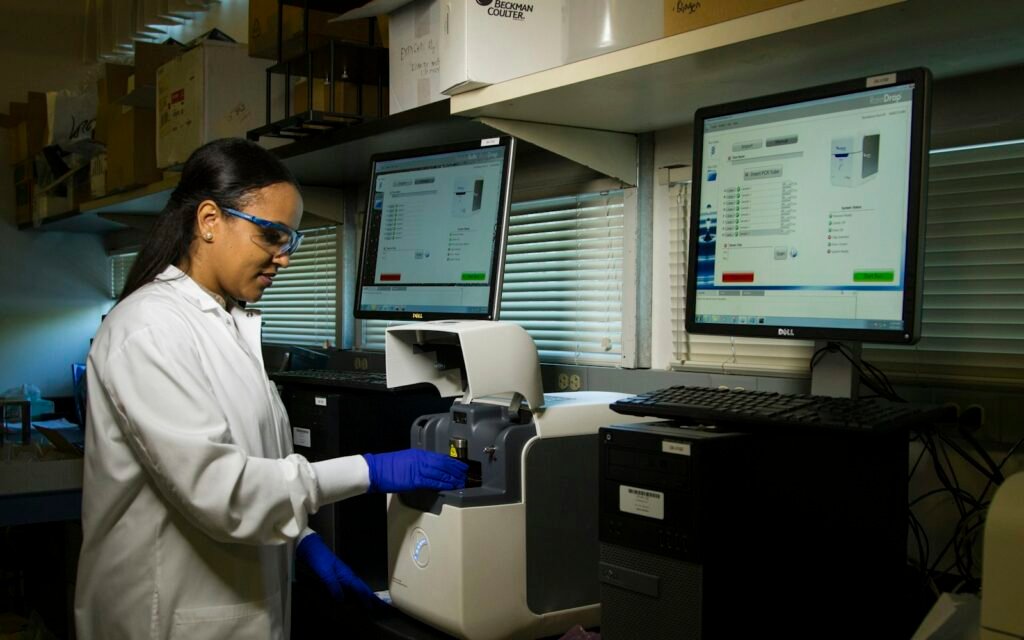
Preparing for Your Appointment
Open the Page
Comprehensive Genomic Profiling
Open the Page
Cancer Types
Open the Page
Oncology FAQ
Open the Page
Prof. Dr. Ibrahim Petekkaya
Open the Page
Contact and Appointments
Open the PageSources
- Egepol Hastanesi. Official website; international patient office. Link
- Republic of Türkiye Ministry of Health. Official website; international patient information and 112 emergency services. Link
- USHAŞ, International Health Services of the Republic of Türkiye Ministry of Health. Information for international patients. Link
- Turkish Medicines and Medical Devices Agency (TİTCK). Licensed medicines and named-patient access. Link
- Republic of Türkiye. Official electronic visa application system. Link
- Republic of Türkiye Ministry of Foreign Affairs. Visa information for foreigners. Link
- Cancer Research UK. About cancer: travelling with cancer, travel insurance and treatment abroad. Link
- National Health Service (UK). Healthcare abroad and planned treatment in other countries. Link
- European Society for Medical Oncology. ESMO Patient Guides. Link
- Personal Data Protection Authority of Türkiye (KVKK). Law No. 6698 on the Protection of Personal Data. Link