
What Hereditary Cancer Is
Hereditary cancer is cancer whose risk is markedly raised by a gene alteration inherited from a parent and present in every cell from birth (a germline mutation). Only 5 to 10 per cent of all cancers are hereditary in this sense; the rest arise from alterations that accumulate in the tumour tissue during life (somatic) and are not passed to children. Carrying an inherited alteration is not the same as having cancer; the risk depends on the gene and is managed with surveillance.
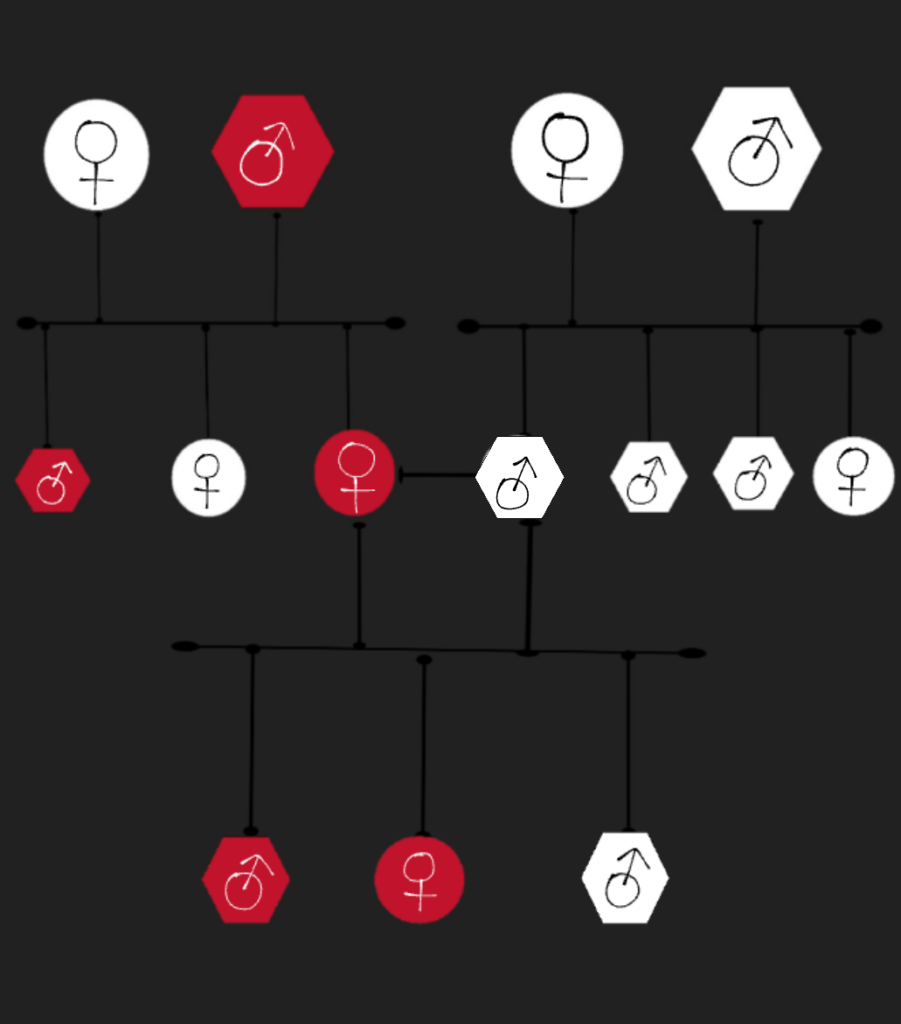
Frequent cancer in a family does not always mean an inherited syndrome; shared lifestyle and chance can also produce a cluster. The features that suggest one are the same or related cancers (breast and ovarian; bowel and womb) in several relatives, diagnosis at a young age (under 50), more than one cancer in the same person, cancer in both breasts, breast cancer in a man and rare tumour types.
Hereditary cancer risk assessment consists of drawing a family tree, testing the right person and interpreting the result for that person and their family. It should not be confused with comprehensive genomic profiling, which is done on tumour tissue: the tumour test guides treatment, the hereditary test defines family risk. The two are compared in a table on the precision oncology page.
Who Is Offered Testing
Hereditary cancer testing is offered to people who meet the criteria defined in the NCCN and ESMO guidelines; the criteria rest on cancer type, age at diagnosis and family history. If a relative with cancer is available, that person is tested first, and if an alteration is found the other relatives are tested for that alteration only. If no affected relative is alive or able to be tested, a panel test can be done on an unaffected person on the basis of the family history. A person whose home health system has declined testing is assessed against these same criteria on the basis of the family history.
| Criterion | Guideline recommendation |
|---|---|
| Breast cancer diagnosed at 50 or younger | NCCN: BRCA1/2 and multi-gene panel recommended |
| Triple-negative breast cancer at 60 or younger | NCCN and ESMO: testing recommended; BRCA1 is found often |
| Bilateral breast cancer, male breast cancer | NCCN: testing at any age |
| Ovarian, fallopian tube or peritoneal cancer | NCCN and ESMO: every patient, at any age |
| Pancreatic cancer (exocrine) | NCCN: every patient; ESMO: recommended |
| Metastatic or high-risk prostate cancer | NCCN: testing recommended; BRCA2 affects treatment |
| Bowel or womb cancer under 50, or a tumour with MMR deficiency | NCCN and ESMO: MMR genes tested for Lynch syndrome |
| Known inherited alteration in the family | All guidelines: single-variant test for first-degree relatives |
| Two or more breast, ovarian, pancreatic or prostate cancers in the family; cluster of cancers at a young age | NCCN: panel test according to the family tree; lower threshold in Ashkenazi Jewish ancestry |
| Possibly inherited finding on a tumour test (BRCA, MMR, TP53) | ESMO: germline confirmation test |
The decision to test can also be triggered by a finding in the tumour: when a comprehensive genomic profiling report shows an alteration in BRCA1, BRCA2, PALB2, MLH1 or TP53, particularly with a high allele fraction, confirmation on a blood test is recommended. The decision is made by the medical oncologist after a family history has been taken.
What Cancer Genetics Is
A short film on the difference between inherited predisposition and changes a tumour acquires later.
Genes Tested
Hereditary cancer testing today is mostly done with multi-gene panels of 20 to 80 genes, chosen according to the cancer types in the family history; the panel includes analysis of large deletions and duplications, and variants are classified according to the ACMG criteria. The genes assessed most often are summarised below; the risk figures are population averages from the NCCN guideline and large cohort studies and vary from person to person.
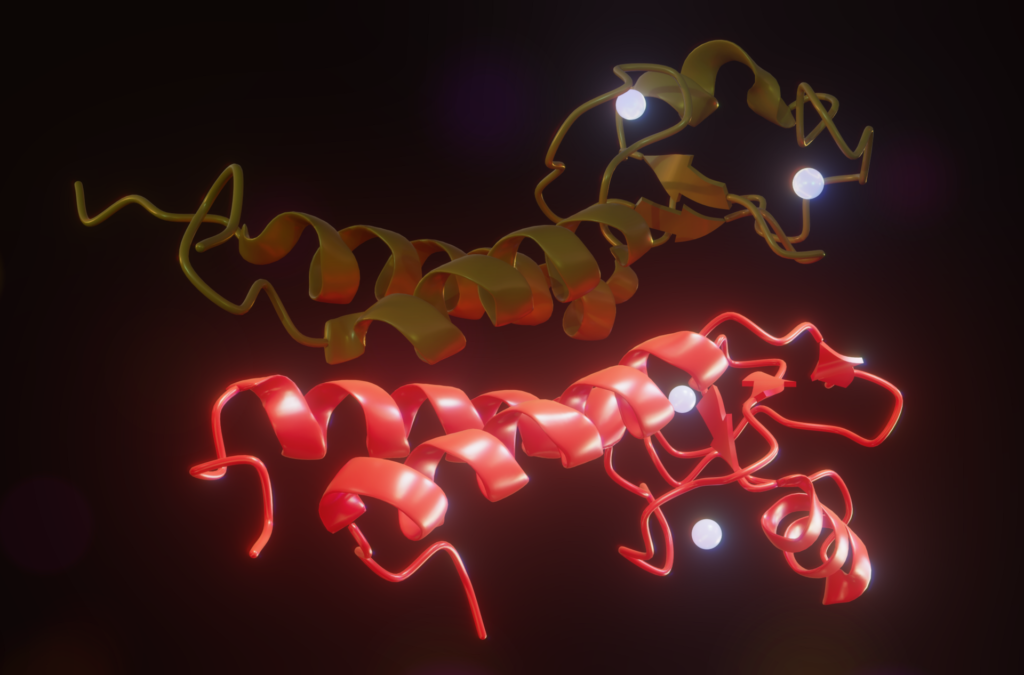
- BRCA1
- The most common gene of hereditary breast and ovarian cancer syndrome. In women who carry it, the risk of breast cancer by the age of 80 is about 72 per cent and of ovarian cancer 44 per cent (Kuchenbaecker 2017). The breast cancer is often triple-negative and occurs at a young age.
- BRCA2
- Breast cancer risk about 69 per cent and ovarian cancer risk 17 per cent; the risk of breast and prostate cancer in men, and of pancreatic cancer and melanoma in both sexes, is raised. In BRCA1 and BRCA2 carriers a PARP inhibitor is a treatment option in ovarian, breast, pancreatic and prostate cancer.
- PALB2
- A gene that works with BRCA2; carriers have a breast cancer risk of 40 to 60 per cent and a raised risk of ovarian and pancreatic cancer. After BRCA it is the most important gene on a breast cancer panel.
- MLH1 and MSH2
- The two most common genes of Lynch syndrome (with MSH6, PMS2 and EPCAM). The lifetime risk of bowel cancer is 40 to 80 per cent and of womb cancer in women 40 to 60 per cent; the risk of stomach, ovarian, urinary tract and pancreatic cancer is also raised. MMR deficiency or MSI-high on a tumour test can be the first sign of the syndrome.
- TP53
- The gene of Li-Fraumeni syndrome; the risk of sarcoma, breast cancer, brain tumours and adrenal cortex cancer is very high from childhood. Carriers are offered annual whole-body MRI, and radiotherapy is avoided where possible.
- Other genes
- CHEK2 and ATM (moderate breast cancer risk), CDH1 (hereditary diffuse stomach cancer), APC (familial adenomatous polyposis), RAD51C and RAD51D (ovarian cancer).
Process and Turnaround
The assessment begins with the cancer history of the person and of three generations of the family: which relative had which cancer, at what age it was diagnosed and any earlier genetic test results are recorded. For a patient abroad this step is completed remotely from a written family history and the existing reports. In the same session what the test can and cannot show, and what the results may mean, are explained; the test is done only after informed consent.
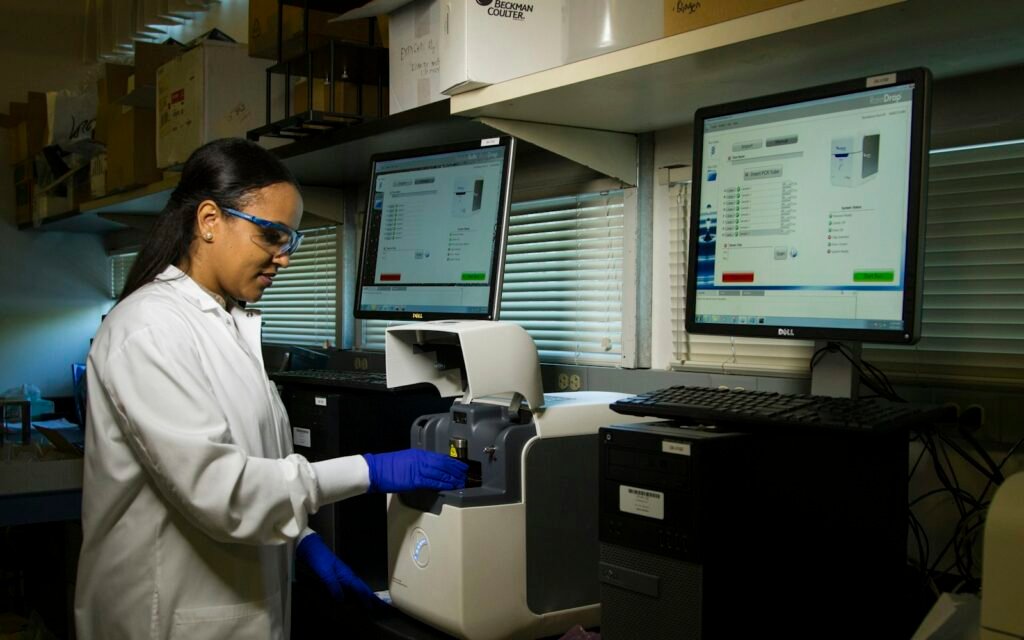
The sample is 5 to 10 mL of blood or a saliva sample; no fasting or special preparation is needed. The laboratory reads the panel genes by next-generation sequencing and separately searches for large deletions and duplications.
The result is usually available in two to four weeks; testing for a single alteration already known in the family takes one to two weeks. When a treatment decision depends on the result, for example the type of breast surgery or a PARP inhibitor in ovarian cancer, the medical oncologist can request an expedited analysis. The result is explained in person or by video consultation, and a written report and a summary letter in English for the home clinician are given to the person.
Inherited Testing Versus Tumour Testing
Two different investigations sit behind the phrase genetic testing: one looks for inherited changes that can be passed on, the other reads the DNA and RNA of the tumour itself.
Result Types
A hereditary cancer test gives one of three kinds of result; laboratories classify variants into five classes according to the ACMG (American College of Medical Genetics and Genomics) criteria, and the report is interpreted as "positive", "negative" or "uncertain" on that basis.
| Result | ACMG class | Meaning | Next step |
|---|---|---|---|
| Positive | Pathogenic or likely pathogenic (class 5 and 4) | An inherited alteration that raises cancer risk was found | Personal surveillance plan, effect on treatment, testing of relatives |
| Uncertain (VUS) | Variant of uncertain significance (class 3) | An alteration is present; its link to risk is not yet known | Not treated as positive; surveillance by family history; reclassification awaited |
| Negative | Likely benign or benign (class 2 and 1), or no alteration | No risk-raising alteration found in the genes tested | Surveillance continues if the family history is strong; a true negative if a family alteration is known |
The meaning of a negative result depends on why the test was done. In a test for an alteration already known in the family, a negative result is a "true negative" and the person's risk falls to that of the general population. In a panel test without a known family alteration, a negative result shows only that no alteration was found in the genes tested; if the family history is strong, a gene not yet identified may be involved, and surveillance continues according to the family history.
Please note: the information on this page describes general principles and does not replace a consultation or an individual assessment. A test result does not always change treatment; its meaning is interpreted together with the cancer type, the stage and the family history.
Follow-Up After a Positive Result and Family Screening
A positive result calls for decisions in two areas: the person's own surveillance and treatment, and the screening of relatives. In a person with cancer the result can affect treatment: in BRCA carriers, PARP inhibitor maintenance in ovarian cancer, one year of olaparib in high-risk breast cancer (OlympiA trial), platinum sensitivity and maintenance olaparib in pancreatic cancer, and in Lynch syndrome immunotherapy in colorectal cancer come into consideration. The principles of these drugs are described on the targeted therapy page.
In a carrier without cancer the aim is early detection and risk reduction. Women with a BRCA alteration are offered annual breast MRI from the age of 25 and MRI with mammography from 30; because there is no effective screening for ovarian cancer, removal of the ovaries and tubes is discussed with the gynaecological oncology team once childbearing is complete (at 35 to 40 with BRCA1, 40 to 45 with BRCA2). Risk-reducing mastectomy is an option, not an obligation; the decision rests with the person and the assessment of the relevant surgical team. In Lynch syndrome colonoscopy every one to two years from the age of 20 to 25 and, in women, surveillance or surgery for the womb and ovaries are planned.
Family screening (cascade testing) is the most important consequence of a positive result: each first-degree relative (parent, sibling, child) has a 50 per cent chance of carrying the same alteration, and these relatives are tested for the known alteration only, with a shorter and simpler test. Children of relatives who do not carry it are not tested. Relatives in another country can be tested in their own health system with a copy of the report, which states the exact variant. Sharing the result with relatives is the person's decision; a written family letter can be prepared to make this easier.
Genetic Counselling
Genetic counselling is the conversation, before and after testing, in which a person comes to understand their inherited risk, the possible results and what those results mean for them and their family; the medical oncologist and a medical genetics specialist share this work. In the pre-test session the family tree is drawn and the genes to be tested, the possibility of a VUS, the effect of the result on treatment and on the family, and the right not to be tested are discussed. In the post-test session the result is explained, a surveillance plan is made and a route map for family testing is drawn up. Both sessions are held in English for international patients, in person or by video.
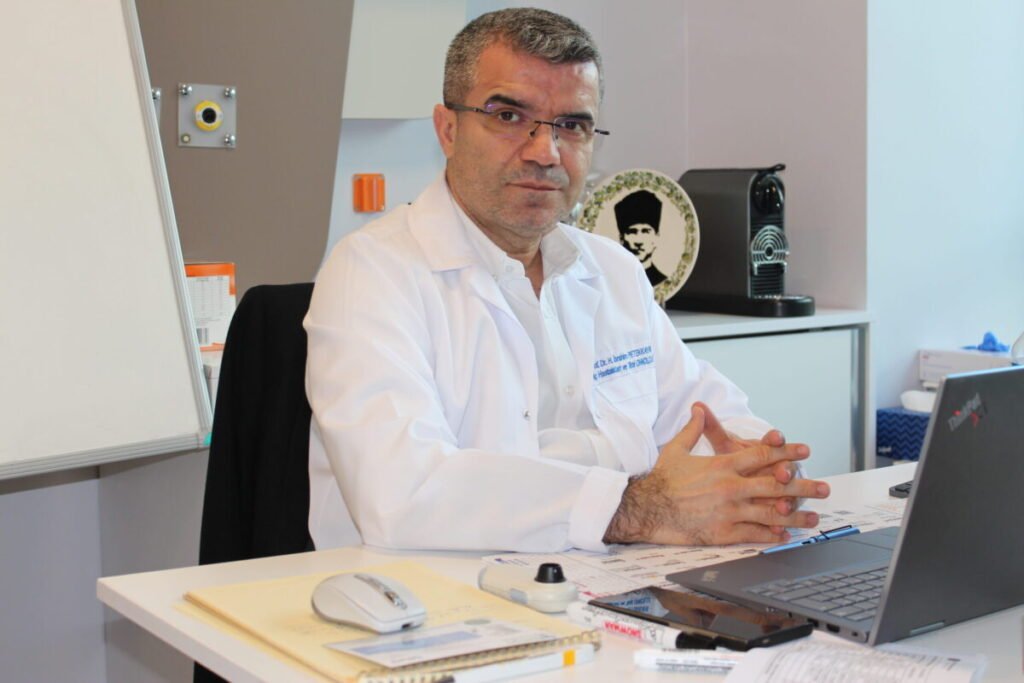
In a person with cancer, requesting the test, linking the result to treatment and planning surveillance belong to the medical oncologist; complex family trees, rare syndromes, testing of children and reproductive options belong to the medical genetics specialist. Prof. Dr. H. Ibrahim Petekkaya reviews the result with the clinical molecular oncology team against the ClinVar classification and the current literature, and refers to a medical genetics specialist where needed.
A genetic test result is a special category of personal data under the Turkish Personal Data Protection Law (KVKK); the test is done only with the person's separate, explicit consent, and the result is given only to the person and to the clinicians the person authorises in writing. It is not shared with an employer or an insurer. How test data are stored and the person's rights are explained on the privacy policy page, and the general process for patients from abroad on the international patients page.
Frequently Asked Questions
Who should have BRCA testing?
According to NCCN and ESMO criteria, BRCA testing is recommended for people diagnosed with breast cancer at 50 or younger, triple-negative breast cancer at 60 or younger, bilateral or male breast cancer, ovarian, fallopian tube or peritoneal cancer at any age, pancreatic cancer, metastatic or high-risk prostate cancer, and for anyone with a known BRCA alteration in the family or several relatives with breast, ovarian, pancreatic or prostate cancer. The decision is made by the medical oncologist after taking a family history.
How long does hereditary testing take?
Hereditary cancer testing is done on a blood or saliva sample by next-generation sequencing, and the result is usually available in two to four weeks. Tests limited to BRCA1 and BRCA2 are quicker in some laboratories, whereas multi-gene panels that also search for large deletions can take up to four weeks. Testing a relative for a single alteration already known in the family usually takes one to two weeks. When a treatment decision depends on the result, the medical oncologist can ask the laboratory for an expedited analysis.
What happens if BRCA is positive?
A positive result shows an inherited risk-raising alteration in BRCA1 or BRCA2; it does not mean that cancer will develop. In a person with cancer the result can affect treatment: PARP inhibitors and platinum sensitivity come into consideration in ovarian, breast, pancreatic and prostate cancer. In a person without cancer, annual breast MRI and mammography from a young age and discussion of risk-reducing ovarian surgery with the relevant surgical team are planned. First-degree relatives are offered testing; each has a 50 per cent chance of carrying it.
Should I be tested if cancer runs in my family?
Cancer in the family does not by itself call for testing; most cancers are not inherited, and only 5 to 10 per cent are due to an alteration a person was born with. Testing is recommended when the same or related cancers occur in several relatives, at a young age, bilaterally or as rare types. The most informative approach is to test a relative who has had cancer first; if an alteration is found, other relatives are tested for it. The decision is made after a family tree is drawn.
What is a VUS?
A VUS (variant of uncertain significance) is an alteration in a gene whose effect on cancer risk is not yet known; it is reported in roughly 10 to 20 per cent of people who have a hereditary panel. A VUS is not treated as a positive result: decisions on treatment, risk-reducing surgery and family testing are not based on it, and surveillance is planned from the family history instead. Laboratories reclassify these variants over time, and most turn out to be benign.
Does a hereditary result affect my children?
An inherited alteration passes from a parent to each child with a 50 per cent probability, regardless of sex, and men can carry and pass it on as well. In adult-onset syndromes such as BRCA and Lynch, children are not tested before the age of 18, because surveillance and prevention begin in adulthood and the decision is left to the person. In syndromes that cause cancer in childhood, such as Li-Fraumeni or familial polyposis, testing is done in childhood.
Can hereditary testing be arranged from abroad?
Yes. The assessment starts remotely with the family history, pathology reports and any earlier genetic reports; if the criteria are met, the test is done during a visit to Izmir on a blood or saliva sample, and the result and a written summary in English are sent to the patient and, with consent, to the home clinician. Relatives abroad can be tested for a known family alteration in their own country with a copy of the report. Counselling is provided in English.
Related Pages
Precision Oncology
Open the Page
Comprehensive Genomic Profiling
Open the Page
Breast Cancer
Open the Page
Ovarian Cancer
Open the Page
Colorectal Cancer
Open the Page
Pancreatic Cancer
Open the Page
Targeted Therapy
Open the Page
Privacy Policy
Open the PageSources and Guidelines
- National Comprehensive Cancer Network. NCCN Clinical Practice Guidelines in Oncology: Genetic/Familial High-Risk Assessment: Breast, Ovarian, Pancreatic, and Prostate. Link
- National Comprehensive Cancer Network. NCCN Guidelines for Detection, Prevention, and Risk Reduction (Genetic/Familial High-Risk Assessment: Colorectal, Endometrial, and Gastric). Link
- Sessa C et al. Risk reduction and screening of cancer in hereditary breast-ovarian cancer syndromes: ESMO Clinical Practice Guideline. Ann Oncol 2023;34(1):33-47. Link
- Stjepanovic N et al. Hereditary gastrointestinal cancers: ESMO Clinical Practice Guidelines for diagnosis, treatment and follow-up. Ann Oncol 2019;30(10):1558-1571. Link
- Kuchenbaecker KB et al. Risks of breast, ovarian, and contralateral breast cancer for BRCA1 and BRCA2 mutation carriers. JAMA 2017;317(23):2402-2416. Link
- Richards S et al. Standards and guidelines for the interpretation of sequence variants: a joint consensus recommendation of ACMG and AMP. Genet Med 2015;17(5):405-424. Link
- Tutt ANJ et al. Adjuvant olaparib for patients with BRCA1- or BRCA2-mutated breast cancer (OlympiA). N Engl J Med 2021;384:2394-2405. Link
- National Cancer Institute. BRCA Gene Changes: Cancer Risk and Genetic Testing. Link
- National Center for Biotechnology Information. ClinVar. Link
- Cancer Research UK. Inherited cancer genes and increased cancer risk. Link
- Personal Data Protection Authority of Türkiye (KVKK). Law No. 6698 on the Protection of Personal Data. Link