
HPV and Cervical Cancer
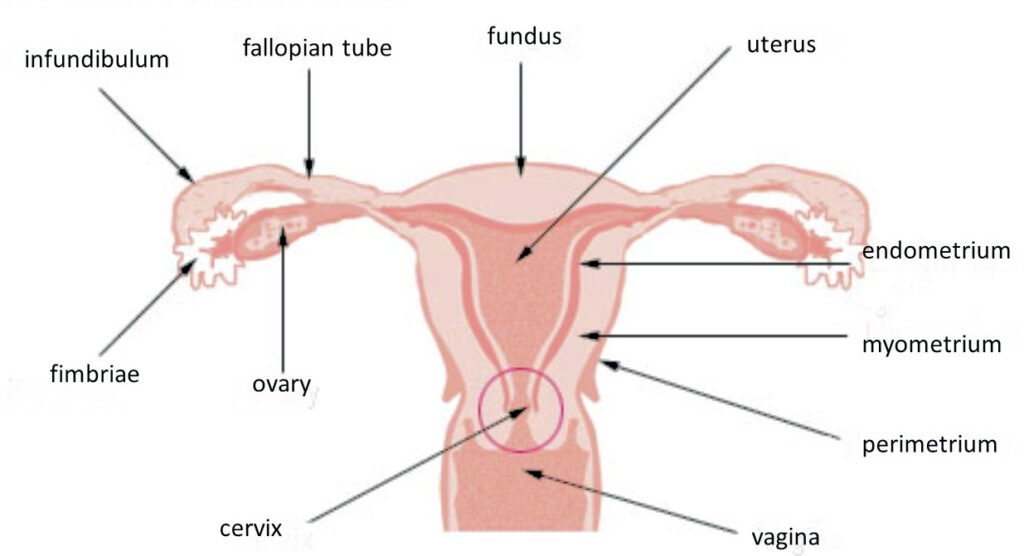
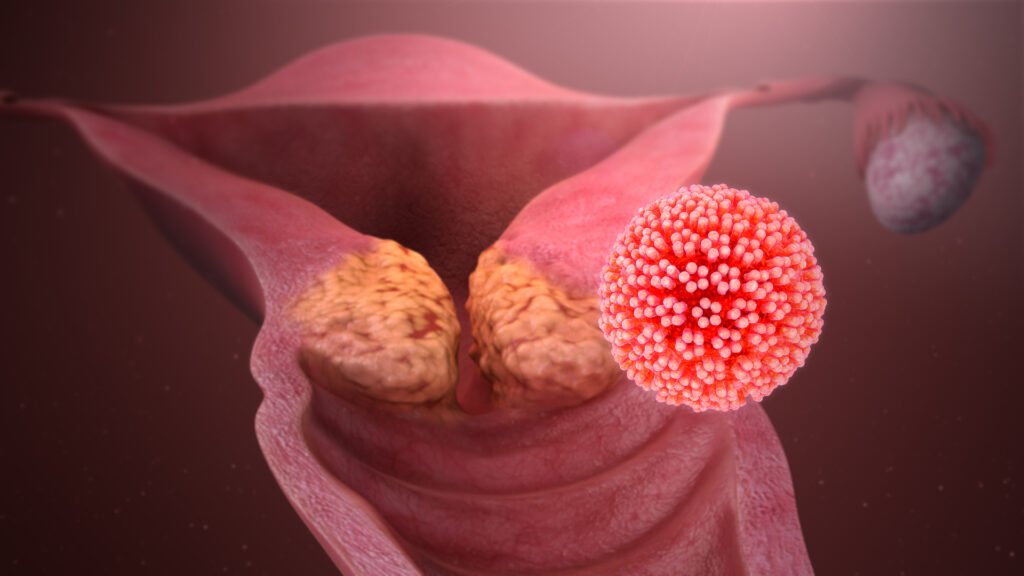
Cervical cancer develops when high-risk types of human papillomavirus (HPV) persist in the cells of the cervix for many years. According to the World Health Organization, more than 95 per cent of cases are caused by HPV, and types 16 and 18 account for about 70 per cent of cancers. HPV is a very common virus passed on through sexual contact; the great majority of infections are cleared by the immune system within two years and never cause cancer. A persistent infection first produces cell changes known as CIN (a precancerous lesion) and can progress to cancer over 10 to 20 years.
The HPV vaccine is preventive: given before exposure to the virus it prevents most cervical cancers, but it does not treat an existing infection or an established cancer. WHO recommends vaccination of girls aged 9 to 14 and has set 2030 targets for vaccination, screening and treatment to eliminate cervical cancer as a public health problem. Smoking, conditions or medicines that suppress the immune system, and never having attended screening all raise the chance that a persistent infection progresses to cancer.
Cervical cancer is the fourth most common cancer in women worldwide, with about 660,000 new diagnoses a year (IARC GLOBOCAN 2022), most of them in countries without an organised screening programme. Around 75 per cent of tumours are squamous cell carcinomas and 20 to 25 per cent are adenocarcinomas; the two types are treated on the same principles.
Symptoms and Screening
The most common symptom of cervical cancer is bleeding after intercourse, between periods or after the menopause; a blood-stained or foul-smelling discharge and pelvic or lower back pain also occur. Precancerous lesions and early cancers usually cause no symptoms and are found only through screening. In advanced disease, swelling of a leg, leakage of urine or stool, kidney failure and bone pain reflect spread. Any woman with bleeding outside her normal pattern should be seen by a gynaecologist.
Screening aims to find precancerous changes before a cancer develops and is the most effective way to prevent cervical cancer. WHO recommends a primary HPV test from the age of 30, repeated every five to ten years; national programmes differ in their exact age ranges and intervals, and the programme of your home country applies to routine screening. In Türkiye, the national programme offers HPV testing and a smear every five years between the ages of 30 and 65. A positive HPV test or an abnormal smear leads to colposcopy (examination of the cervix under magnification) and biopsy; precancerous lesions are treated with small procedures such as LEEP or cone biopsy.
The diagnosis of cancer is made on the pathology of the biopsy. For staging, a gynaecological examination, pelvic magnetic resonance imaging (MRI) and PET-CT for lymph node and distant spread are requested, with cystoscopy and rectoscopy when involvement of the bladder or bowel is suspected. In metastatic disease, PD-L1 (CPS) testing on tumour tissue is performed to guide the immunotherapy decision. International patients can send their MRI and PET-CT as DICOM files together with the pathology report for a staging review before any decision is made; the steps are set out on the treatment pathway page.

Early Detection and Screening in Cervical Cancer
Cervical cancer can largely be prevented when caught early; the post covers prevention and the importance of taking part in screening programmes.
Staging
Cervical cancer is staged with the FIGO 2018 system, which since 2018 incorporates imaging and pathology findings and defines lymph node involvement as a separate stage (3C). The stage describes the size of the tumour, spread beyond the cervix and into neighbouring organs, lymph node involvement and distant metastasis (spread). The choice of treatment is made by the physician on the basis of stage, pathology and molecular findings; surgical and radiotherapy decisions are taken together with gynaecological oncology and radiation oncology.
| FIGO stage | Definition | Main treatment |
|---|---|---|
| Stage 1A | Tumour visible only under the microscope, less than 5 mm deep | Cone biopsy or simple hysterectomy; fertility can be preserved |
| Stage 1B | Visible tumour confined to the cervix; 1B1 under 2 cm, 1B2 2 to 4 cm, 1B3 over 4 cm | Radical hysterectomy with lymph node assessment or radiotherapy for 1B1 and 1B2; chemoradiotherapy for 1B3 |
| Stage 2 | Spread beyond the uterus to the upper vagina (2A) or the tissue beside the uterus (2B) | Surgery or chemoradiotherapy for 2A1; concurrent chemoradiotherapy for 2A2 and 2B |
| Stage 3 | Spread to the lower vagina or pelvic wall, blockage of a kidney (3A, 3B) or lymph node involvement (3C) | Concurrent chemoradiotherapy and brachytherapy; pembrolizumab added in suitable patients |
| Stage 4 | Spread to the bladder or bowel (4A) or to distant organs (4B) | Chemoradiotherapy with pembrolizumab for 4A; chemotherapy, bevacizumab and pembrolizumab for 4B |
Treatment by Stage
In early-stage disease (1A, 1B1, 1B2 and 2A1) the main treatment is surgery: radical hysterectomy (removal of the uterus and surrounding tissue) with pelvic lymph node assessment, performed by a gynaecological oncology surgeon. Women who wish to preserve fertility and whose tumour is smaller than 2 cm may be offered cone biopsy or trachelectomy (removal of the cervix with preservation of the uterus). If the operation pathology shows lymph node involvement, tumour at the surgical margin or spread into the tissue beside the uterus, chemoradiotherapy is added after surgery; this decision is taken with the medical oncologist and radiation oncologist.
In locally advanced disease (1B3, 2A2, 2B, 3 and 4A) concurrent chemoradiotherapy replaces surgery as the standard; at this stage an operation adds no benefit over radiotherapy, and combining the two increases side effects. Two approaches have entered the guidelines in recent years: six weeks of induction chemotherapy with weekly carboplatin and paclitaxel before chemoradiotherapy (INTERLACE trial) and the addition of pembrolizumab to chemoradiotherapy (KEYNOTE-A18). Which approach suits which patient is decided at the tumour board according to stage, lymph node status and general fitness; the two have not yet been tested in combination.
In metastatic (4B) or recurrent disease the aim of treatment is to keep the disease under control, relieve symptoms and protect quality of life, and systemic treatment takes precedence. For a recurrence confined to the pelvis, chemoradiotherapy is considered in a patient who has not had radiotherapy before, and extensive surgery (exenteration) in selected patients who have. The goal of treatment is discussed openly with every patient. General principles are explained on the chemotherapy page.
Radiotherapy and systemic treatment do not have to be given in the same country. Some international patients have chemoradiotherapy at home and ask for the systemic plan, the PD-L1 result and the immunotherapy decision to be reviewed in Izmir; others complete the whole course here. Either way, a written plan with drug names, doses and the schedule is prepared for the home oncologist.
Important: The information on this page describes general principles and does not replace a consultation or an individual treatment plan. Licensing and reimbursement status differ from drug to drug and, as of 21 September 2026, are discussed in their current form at the consultation.
How Chemoradiotherapy Is Given
Chemoradiotherapy is the delivery of low-dose chemotherapy during the same period as radiotherapy to increase the effect of the radiation. In cervical cancer it has been shown since 1999 in five randomised trials to reduce recurrence and death compared with radiotherapy alone, and it is the standard in NCCN and ESGO guidelines. The radiotherapy is planned by the radiation oncologist and the chemotherapy by the medical oncologist; the two teams run the treatment together.
- External beam radiotherapy
- Given to the pelvis, and if needed to the lymph nodes along the back of the abdomen (para-aortic), five days a week for five weeks to a total dose of 45 to 50 Gy. Intensity-modulated technique (IMRT) reduces bowel and bladder side effects.
- Concurrent cisplatin
- Given intravenously once a week at 40 mg/m² for five or six weeks. Kidney function and the blood count are checked before each dose; carboplatin can replace cisplatin when kidney function is reduced.
- Brachytherapy
- A high dose delivered directly to the tumour through an applicator placed in the cervix, in three to five sessions towards the end of external treatment; it is indispensable in locally advanced disease. The whole course is planned to finish within 56 days.
- Pembrolizumab
- In high-risk locally advanced disease (stage 3 to 4A, and node-positive 1B2 to 2B) it is started every three weeks alongside chemoradiotherapy and then continued every six weeks for up to two years. In the KEYNOTE-A18 trial it prolonged both the time free of disease and survival.
Common side effects of chemoradiotherapy are fatigue, diarrhoea, passing urine more often, nausea and low blood counts; most settle within a few weeks of finishing treatment. Later effects can include vaginal narrowing, bowel and bladder symptoms and menopause; vaginal dilators and hormone replacement reduce these problems. In premenopausal women, moving the ovaries out of the radiation field (transposition) and egg or embryo freezing before treatment are discussed before starting. Fever, persistent diarrhoea or blood in the urine should be reported the same day.
Immunotherapy in Metastatic and Recurrent Disease
Immunotherapy with PD-1 inhibitors is part of first-line treatment for metastatic or recurrent cervical cancer. In the KEYNOTE-826 trial, adding pembrolizumab to cisplatin or carboplatin with paclitaxel, and to bevacizumab where appropriate, significantly prolonged survival in PD-L1-positive tumours (CPS 1 or higher); about 85 to 90 per cent of metastatic tumours are PD-L1 positive. Chemotherapy is given for six cycles, pembrolizumab for up to two years and bevacizumab until the disease progresses. The licensing and reimbursement status of pembrolizumab in each of these settings in Türkiye is confirmed at the consultation.
Bevacizumab is an antibody that blocks the tumour's blood supply and prolonged survival when added to chemotherapy in the GOG-240 trial; it is used with care in patients who have had pelvic radiotherapy because of the risk of a fistula between the bowel or bladder and the vagina. Blood pressure, protein in the urine and bleeding are monitored. Side effects of pembrolizumab are immune-related: thyroid disturbance, skin rash, diarrhoea and inflammation of the lungs or liver; any new symptom is assessed the same day. General principles are explained on the immunotherapy page.
Two newer options have entered the guidelines for disease that progresses after first-line treatment. The antibody-drug conjugate tisotumab vedotin prolonged survival compared with chemotherapy in the innovaTV 301 trial and requires eye examinations because of effects on the surface of the eye; the PD-1 inhibitor cemiplimab showed a similar benefit in the EMPOWER-Cervical 1 trial in patients who had not previously had immunotherapy. Access to these drugs in Türkiye varies and is discussed in its current form at the consultation; new approvals are followed on the blog. When standard lines are exhausted, clinical trials are considered only as a matter for assessment, and a plan started elsewhere can be reviewed as a second opinion. The wider picture of women's cancers is set out on the gynaecological cancers page.
Frequently Asked Questions
Is cervical cancer treatable?
Yes. Early-stage cervical cancer is treated with surgery or radiotherapy, and locally advanced disease with concurrent chemoradiotherapy, in both cases with the aim of removing the disease completely; in stage 1 the disease does not return in the great majority of patients (NCCN and ESGO guidelines). In metastatic disease the aim is long-term control and relief of symptoms; pembrolizumab with chemotherapy has prolonged survival at this stage. The outcome varies from person to person with stage, tumour size and response.
Does an HPV-positive test mean I have cancer?
No. A positive HPV test shows that the virus is present on the cervix; it does not mean cancer. Most sexually active women encounter HPV during their lives, and about 90 per cent of infections are cleared by the immune system within two years (WHO). Cancer develops only when high-risk types, especially HPV 16 and 18, persist for years and cause cell changes. After a positive result, a smear and if necessary colposcopy look for cell changes, which are treated before a cancer can develop.
How long does chemoradiotherapy take?
Chemoradiotherapy usually takes seven to eight weeks. External radiotherapy is given five days a week for five weeks, and during the same period cisplatin is given intravenously once a week, five or six times. Brachytherapy, radiation delivered from inside the cervix, is added towards the end of external treatment or within two to three weeks of it. Guidelines recommend completing the whole course within 56 days, because a longer course reduces the effect. In high-risk locally advanced disease, pembrolizumab is added and continues for up to two years.
At which stage is immunotherapy given for cervical cancer?
Immunotherapy is used at two stages. In locally advanced disease (FIGO stage 3 to 4A, and node-positive stage 1B2 to 2B) pembrolizumab is added to chemoradiotherapy and then continued for up to two years (KEYNOTE-A18). In metastatic or recurrent disease with a PD-L1-positive tumour (CPS 1 or higher), pembrolizumab is given first line with chemotherapy and, where appropriate, bevacizumab (KEYNOTE-826); cemiplimab is used second line. Immunotherapy has no role in early-stage disease. The decision is made by the physician according to stage and PD-L1 result.
Can fertility be preserved with cervical cancer treatment?
In early-stage disease, yes. For tumours smaller than 2 cm, cone biopsy or trachelectomy, which removes the cervix but keeps the uterus, are options defined in the guidelines for women who want to preserve fertility. Chemoradiotherapy permanently affects ovarian function and the ability of the uterus to carry a pregnancy; in that case egg or embryo freezing before treatment and moving the ovaries out of the radiation field (transposition) are discussed. The fertility plan is agreed with a reproductive medicine team before treatment starts and can justify a short delay.
How often is a smear test needed?
The interval depends on the test used and your national programme. WHO recommends a primary HPV test from age 30 repeated every five to ten years; many European programmes offer HPV testing every five years between 30 and 65, with a smear every three years for younger women. In Türkiye the national programme offers HPV testing and a smear every five years from 30 to 65. Having had the HPV vaccine does not end screening. An abnormal result leads to colposcopy and biopsy, and the follow-up interval is shortened accordingly.
Can I have radiotherapy at home and systemic treatment planned in Izmir?
Yes, this is a common arrangement. Chemoradiotherapy requires daily attendance for five to eight weeks, so many international patients receive it in their home country. The staging MRI and PET-CT, the pathology report and the PD-L1 result can be sent as DICOM files and PDF documents for a remote review; the systemic plan, including whether pembrolizumab or bevacizumab is indicated, is then documented in writing for the home team. A visit to Izmir is arranged only if treatment is to be given here.
Related Pages

Gynaecological Cancers
Open the Page
Ovarian Cancer
Open the Page
Chemotherapy
Open the Page
Immunotherapy
Open the Page
Treatment Pathway
Open the Page
Second Opinion
Open the Page
International Patients
Open the Page
Blog
Open the PageSources and Guidelines
- Marth C et al. Cervical cancer: ESMO Clinical Practice Guidelines for diagnosis, treatment and follow-up. Ann Oncol 2017;28(suppl 4):iv72-iv83. Link
- Cibula D et al. ESGO/ESTRO/ESP guidelines for the management of patients with cervical cancer, update 2023. Int J Gynecol Cancer 2023;33(5):649-666. Link
- National Comprehensive Cancer Network. NCCN Clinical Practice Guidelines in Oncology: Cervical Cancer. Link
- World Health Organization. Cervical cancer fact sheet. Link
- Bhatla N et al. Revised FIGO staging for carcinoma of the cervix uteri. Int J Gynaecol Obstet 2019;145(1):129-135. Link
- Lorusso D et al. Pembrolizumab or placebo with chemoradiotherapy followed by pembrolizumab or placebo for newly diagnosed, high-risk, locally advanced cervical cancer (KEYNOTE-A18). Lancet 2024;403(10434):1341-1350. Link
- McCormack M et al. Induction chemotherapy followed by standard chemoradiotherapy versus standard chemoradiotherapy alone in patients with locally advanced cervical cancer (INTERLACE). Lancet 2024;404(10462):1525-1535. Link
- Colombo N et al. Pembrolizumab for persistent, recurrent, or metastatic cervical cancer (KEYNOTE-826). N Engl J Med 2021;385:1856-1867. Link
- Tewari KS et al. Improved survival with bevacizumab in advanced cervical cancer (GOG-240). N Engl J Med 2014;370:734-743. Link
- Vergote I et al. Tisotumab vedotin as second- or third-line therapy for recurrent cervical cancer (innovaTV 301). N Engl J Med 2024;391:44-55. Link
- Tewari KS et al. Survival with cemiplimab in recurrent cervical cancer (EMPOWER-Cervical 1). N Engl J Med 2022;386:544-555. Link
- Cancer Research UK. Cervical cancer: symptoms, screening and treatment. Link
- International Agency for Research on Cancer (WHO). GLOBOCAN 2022, Global Cancer Observatory. Link
- Turkish Society of Medical Oncology. Guidelines and patient information resources. Link