İçeriğe Atlayın Skip to Content

Cancer Types We Treat

A medical oncologist plans and supervises the drug-based treatment of adult solid tumours (chemotherapy, targeted therapy, immunotherapy and endocrine therapy) and shares surgical and radiotherapy decisions with the relevant specialists. Prof. Dr. H. Ibrahim Petekkaya assesses breast, lung, gastrointestinal, skin and gynaecological cancers, glioblastoma and sarcomas in Izmir, Türkiye. This page gathers the cancer types we treat, each with its own page.
Cancer Types Assessed in Medical Oncology

Each cancer below has its own page covering symptoms, diagnosis and staging, treatment options and molecular assessment, written in plain language.

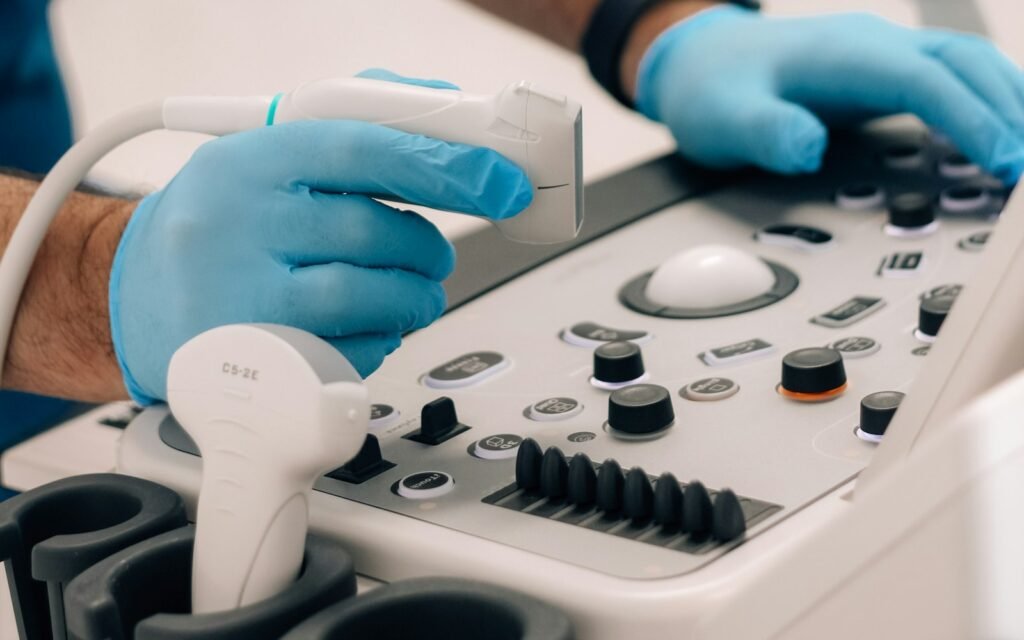
Ultrasound examination with a probeBreast

Breast Cancer

Treatment planned across three subtypes defined by hormone receptor and HER2 status: chemotherapy, endocrine therapy, anti-HER2 treatment and immunotherapy.

Open the Page
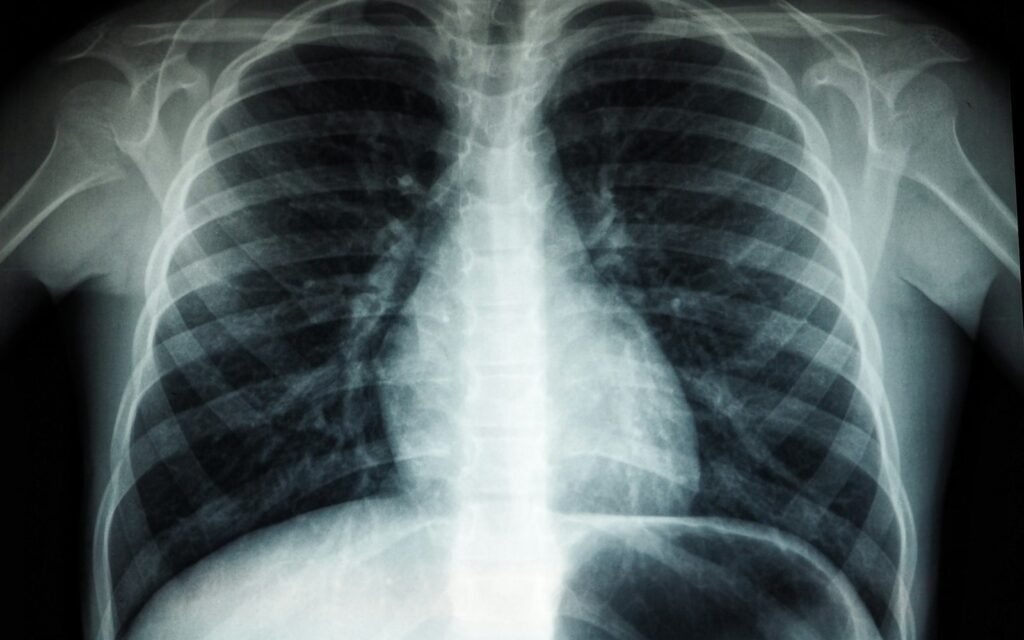
Chest radiographLung

Lung Cancer

Treatment chosen by cell type and biomarker results in non-small cell and small cell lung cancer, guided by EGFR, ALK, ROS1, KRAS G12C and PD-L1 findings.

Open the Page
Computed tomography scannerDigestive

Gastrointestinal Cancers

Shared biomarker panel and systemic treatment across colorectal, pancreatic and stomach cancer. MSI/MMR, HER2 and RAS/BRAF results define the sequence.

Open the Page
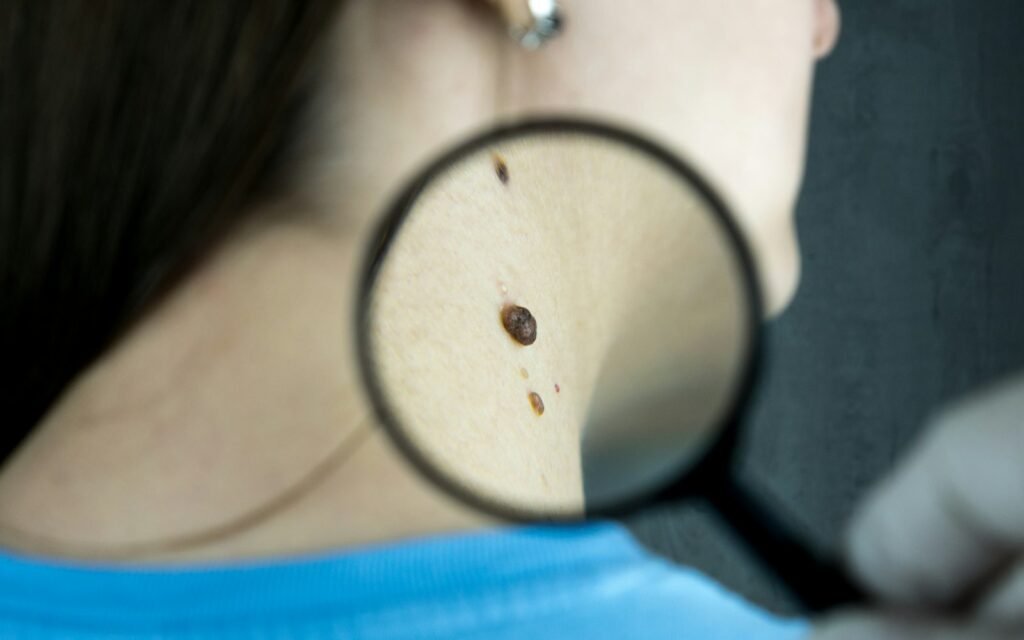
Dermatoscopy of a skin lesionSkin

Skin Cancers

Immunotherapy and BRAF-targeted treatment in melanoma; systemic options after surgery in advanced basal cell carcinoma, with the two types compared.

Open the Page
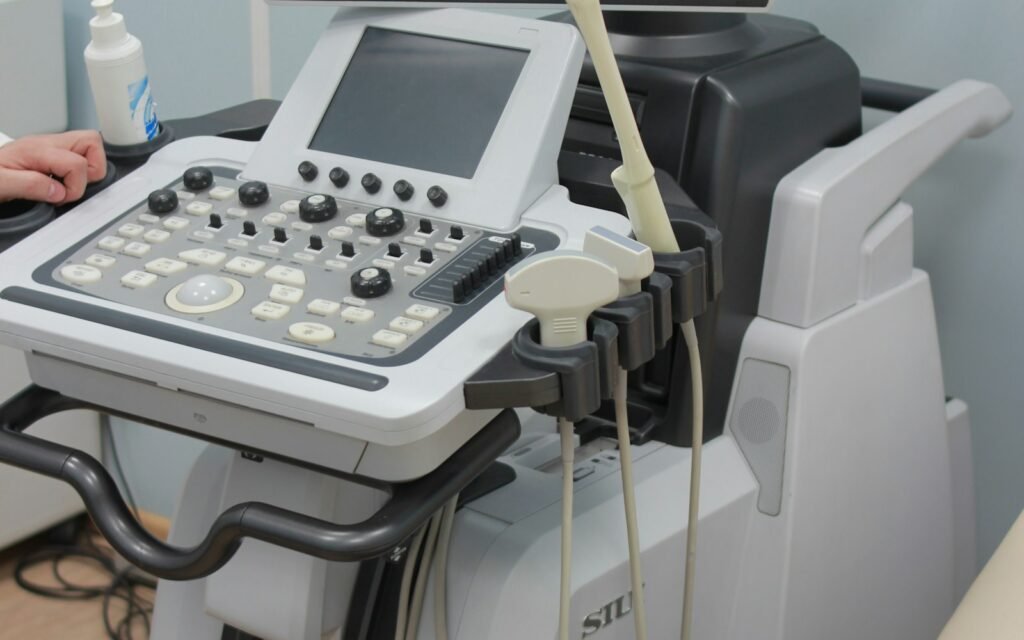
Ultrasound machine consoleGynaecological

Gynaecological Cancers

PARP inhibitor decisions guided by BRCA and HRD results in ovarian cancer; systemic treatment after chemoradiotherapy in cervical cancer.

Open the Page
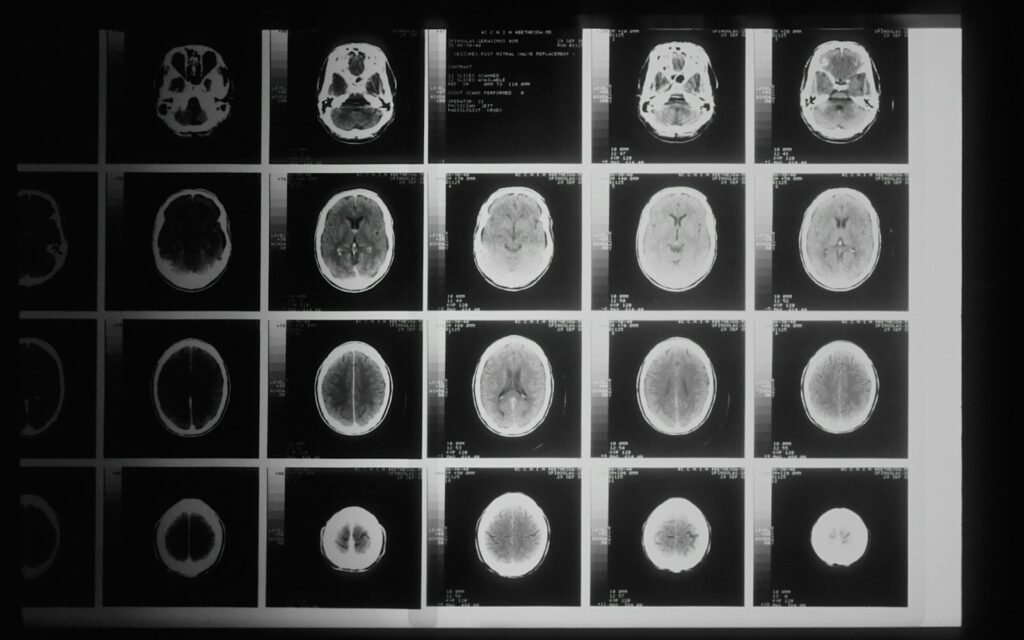
Brain MRI slicesBrain

Glioblastoma

Temozolomide after surgery and radiotherapy, the meaning of MGMT methylation status and the imaging schedule used for follow-up.

Open the Page
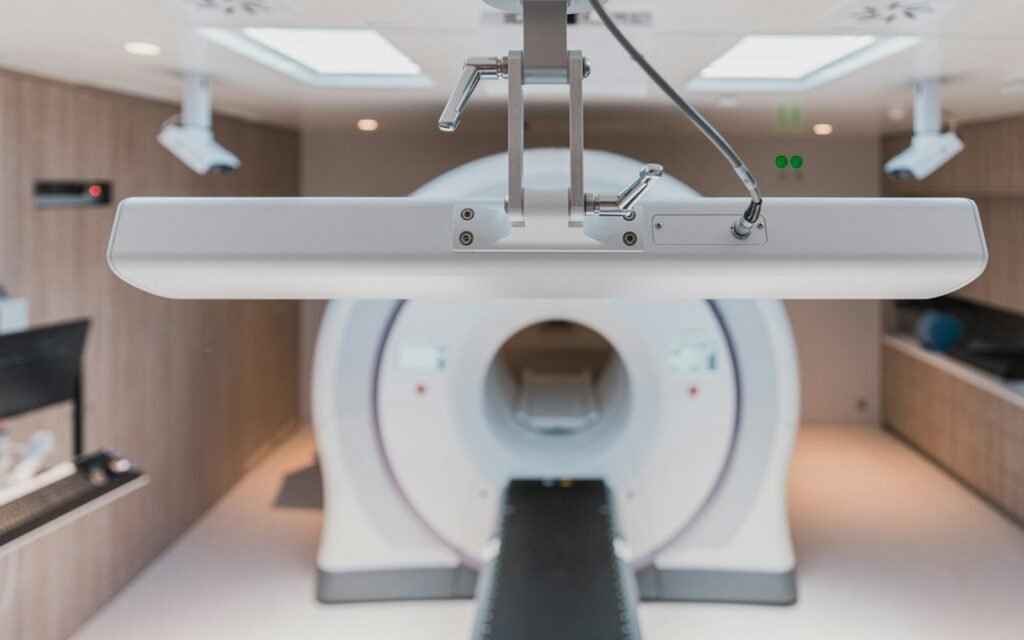
Magnetic resonance imaging scannerSarcoma

Sarcomas

Systemic treatment by subtype in soft tissue and bone sarcomas and in gastrointestinal stromal tumour (GIST), starting from confirmed pathology.

Open the Page
Prof. Dr. H. Ibrahim Petekkayaprof.dr.petekkayaProf. Dr. H. Ibrahim PetekkayaOpen on Instagram

When Disease Progresses Faster Than Expected

Disease can progress quickly despite standard treatment; the video explains how looking at the tumour’s genetic profile helps to understand why.

Reel in Turkish · @prof.dr.petekkaya

How a Treatment Decision Is Made

The decision rests on three sets of information: the pathology report, which gives tumour type, grade and markers such as HER2 status; staging imaging, which shows how far the disease has spread; and molecular test results where needed. The patient's general condition, other illnesses and preferences are then added.

In early disease the aim is to remove the cancer, and systemic treatment is added before surgery or afterwards to lower the risk of recurrence. In metastatic disease the aim is to control the disease and protect quality of life. Choices follow ESMO and NCCN guidelines.

Please note: this page describes general principles; it does not replace a consultation or an individual treatment plan.

Prof. Dr. H. Ibrahim Petekkayaprof.dr.petekkayaProf. Dr. H. Ibrahim PetekkayaOpen on Instagram

How Twenty Years of Smoking Affects Risk

Long-term smoking can raise risk even without a family predisposition, and personal risk cannot be calculated from duration alone.

Reel in Turkish · @prof.dr.petekkaya

Prof. Dr. H. Ibrahim Petekkayaprof.dr.petekkayaProf. Dr. H. Ibrahim PetekkayaOpen on Instagram

Follow-up After Surgery in Bladder Cancer

In muscle-invasive bladder cancer the plan after surgery follows the risk of recurrence; the video covers the part liquid biopsy plays in that decision.

Reel in Turkish · @prof.dr.petekkaya

How the Pathway Works

At the first consultation the existing pathology, imaging and blood results are reviewed and missing tests are identified. Molecular testing is requested where it can change treatment, and the plan is finalised once the results arrive; complex cases go to a tumour board. The steps are set out on the treatment pathway page.

Patients diagnosed or already treated elsewhere can ask for a second opinion using their existing reports, and documents can be reviewed remotely before travelling. Practical arrangements for patients coming from abroad are described on the international patients page.

Frequently Asked Questions

Which cancers need a medical oncologist?

Any adult solid tumour confirmed by pathology needs a medical oncologist for the drug-based part of treatment; breast, lung, gastrointestinal, skin and gynaecological cancers, brain tumours and sarcomas fall within this scope. Blood cancers such as leukaemia, lymphoma and myeloma are managed by a haematologist. If the diagnosis is not yet confirmed, the first step is a biopsy.

Why is a medical oncology opinion needed after surgery?

Surgery removes the visible tumour, but microscopic cells may remain elsewhere in the body. An opinion after surgery estimates this recurrence risk from the stage, grade and biomarkers in the pathology report. If the risk is high enough, preventive (adjuvant) treatment is planned; if it is low, follow-up alone is advised. In several cancers systemic treatment is given before surgery, so the opinion is ideally sought beforehand.

Are rare cancers assessed?

Yes. Glioblastoma, sarcomas, neuroendocrine tumours and cancers of unknown primary are assessed alongside the common cancers. The priorities are confirmation of the pathology, molecular testing and discussion at a tumour board, with treatment planned according to ESMO and NCCN guidelines. A cancer without its own page here can still be reviewed from existing reports.

How is metastatic disease planned?

The plan takes into account the primary tumour, biomarker results, the sites and extent of spread, the patient's general condition and previous treatment. The aim is to control the disease, relieve symptoms and protect quality of life. Systemic therapy is the main treatment; radiotherapy may be added for bone or brain metastases. Response is checked by imaging every two to three cycles.

How long does a treatment plan take?

If the pathology report, imaging and blood results are complete, the general plan is discussed at the first consultation, whether in Izmir or as a remote document review. If tests are missing or molecular testing is needed, the plan is finalised once those results arrive; a molecular panel usually takes 10 to 14 working days. Timing varies from person to person.

Are paediatric cancers treated?

No. Childhood cancers belong to paediatric oncology, and patients under 18 are referred to paediatric haematology and oncology departments. Medical oncology covers solid tumours in adults. Young adults aged 18 and over are assessed; hereditary risk and fertility preservation are included in their plan from the start.

Sources and Guidelines

  1. European Society for Medical Oncology. ESMO Clinical Practice Guidelines, by topic. Link
  2. National Comprehensive Cancer Network. NCCN Guidelines for Patients. Link
  3. National Cancer Institute. PDQ Cancer Information Summaries, patient versions. Link
  4. International Agency for Research on Cancer (WHO). GLOBOCAN 2022, Global Cancer Observatory. Link
  5. Turkish Society of Medical Oncology. Guidelines and patient information resources. Link

Ask for an Assessment

You can send your pathology and imaging reports on WhatsApp or by email. Documents are reviewed before the consultation, and English-speaking coordination is available for patients abroad.